


The 20th century was the century of large-scale national and regional projects. The world’s economy grew to unprecedented levels, and the way of life changed like never before. Due to various geographical or political reasons, several countries around the world decided to build brand-new capitals.
Surely you have heard of Brasília. The Brazilian government wanted to attract population to its sparsely populated interior, and in 1960 it inaugurated the country’s new national capital. But this is not the only example. I grew up in New Belgrade, a city built to host the government of Socialist Yugoslavia. Other planned cities, such as Almere, were built to alleviate housing pressure in nearby Amsterdam.

Architecture of Brasília
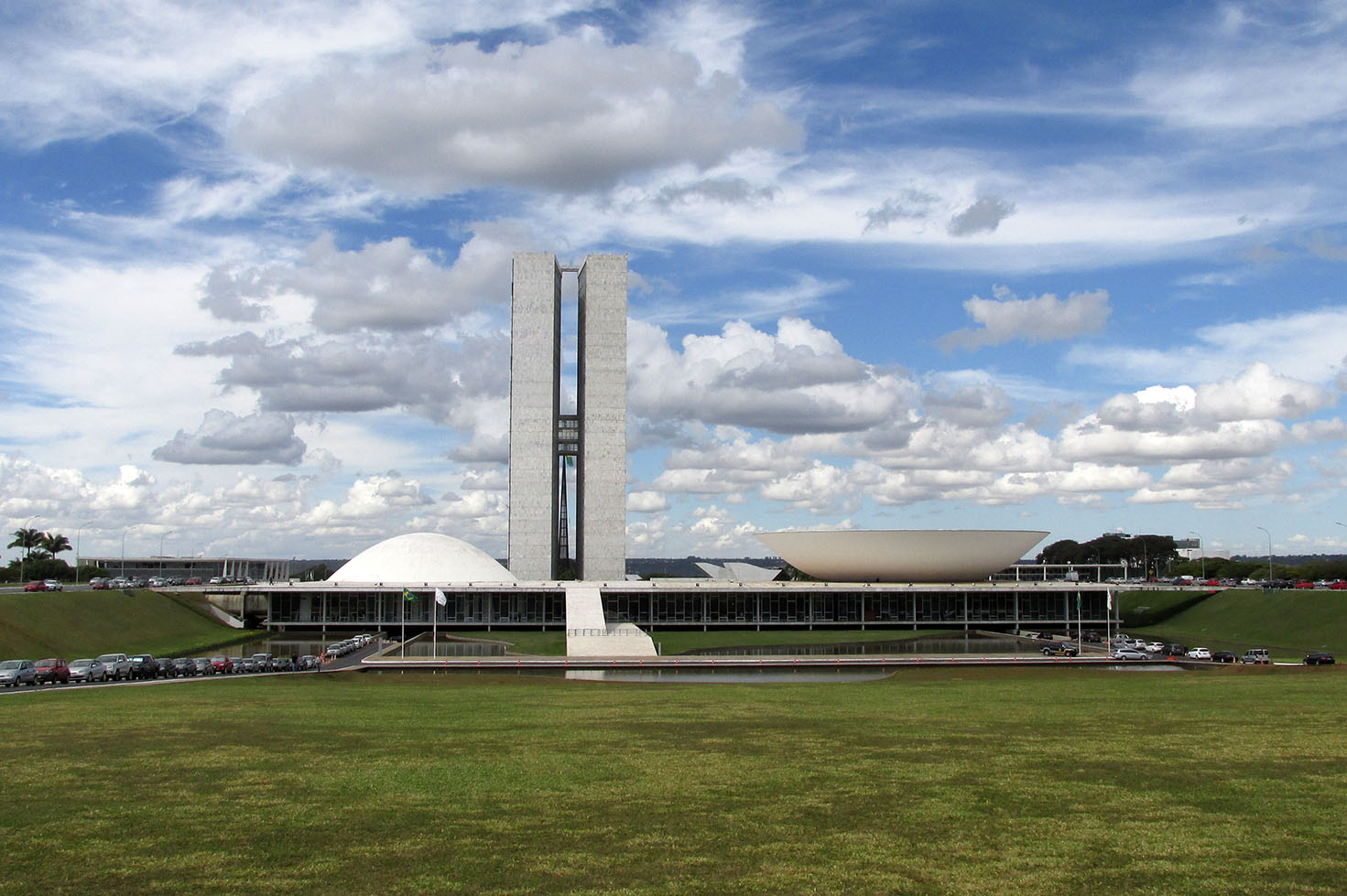
Brasília is a perfect example of a 20th Century planned city. In 1956, Lucio Costa won the state organized competition to design and build a city to attract people to the center of Brazil. He planned a city in the shape of a cross with two main axes intersecting in the center. A young Oscar Niemeyer designed most of the public buildings and became a legend.
As you can see from the pictures, Brasilia is truly beautiful, but how does it function as a city? After 5 days there, I realized that the city lacks the most important ingredient: social interaction. Brasília’s streets were made for cars and there are no public spaces, except for the nice green areas around buildings.
New Belgrade’s Open Blocks
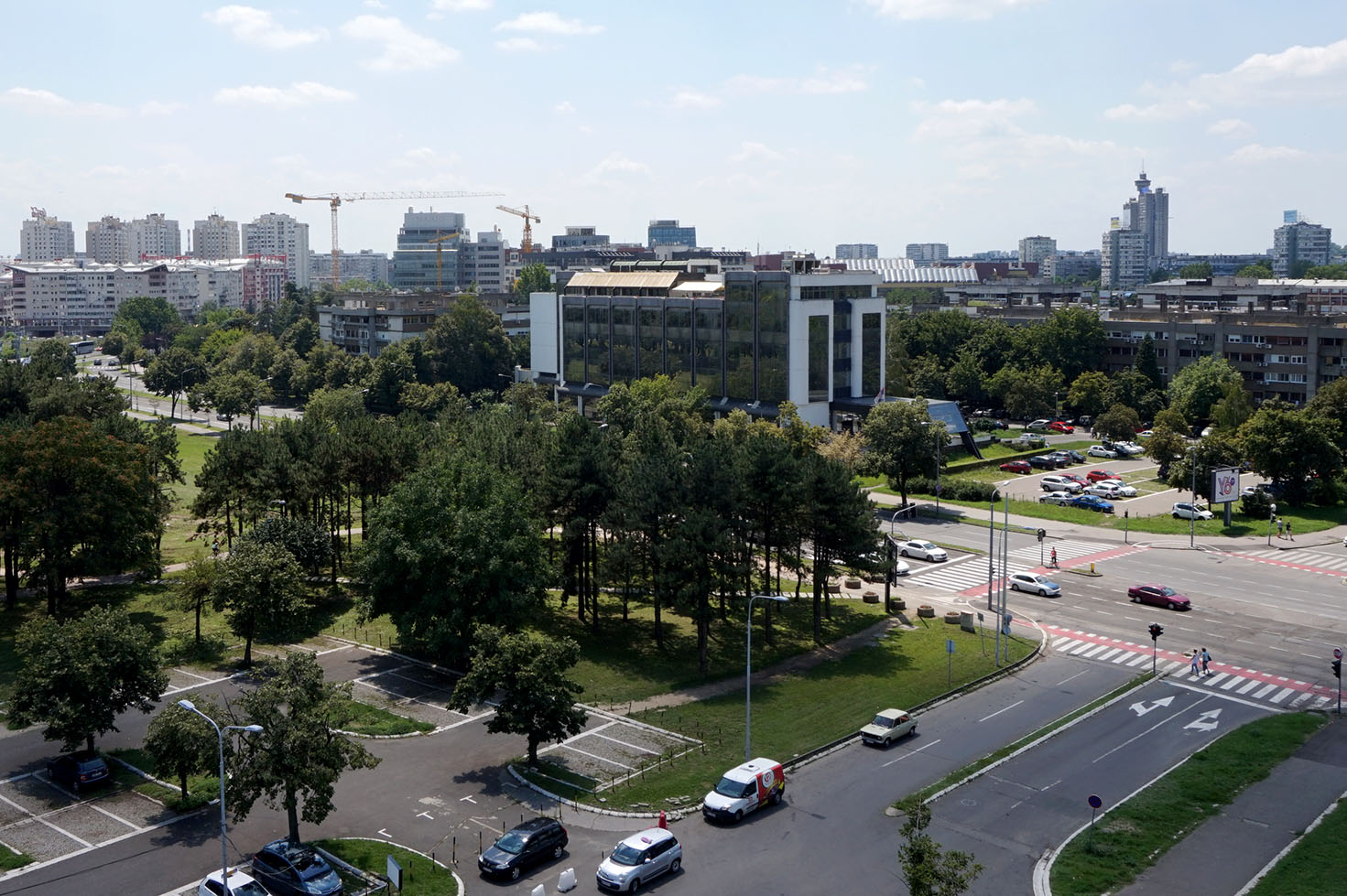
I grew up in New Belgrade, the post-war district located between the two old cities of Belgrade and Zemun. Unlike Old Belgrade’s traditional streets with buildings full of content, in New Belgrade everything is upside down. Huge streets surround the buildings with nothing but green spaces within the blocks.
As time passed, New Belgrade gradually became one of Belgrade’s most important areas. A massive densification process is filling up the remaining few empty blocks. This goes against New Belgrade’s original concept of an open city that breaths. This post is a resume of my master thesis ‘The evolution of open block in new Belgrade’.
Almere, Architecture Utopia in the Heart of Netherlands
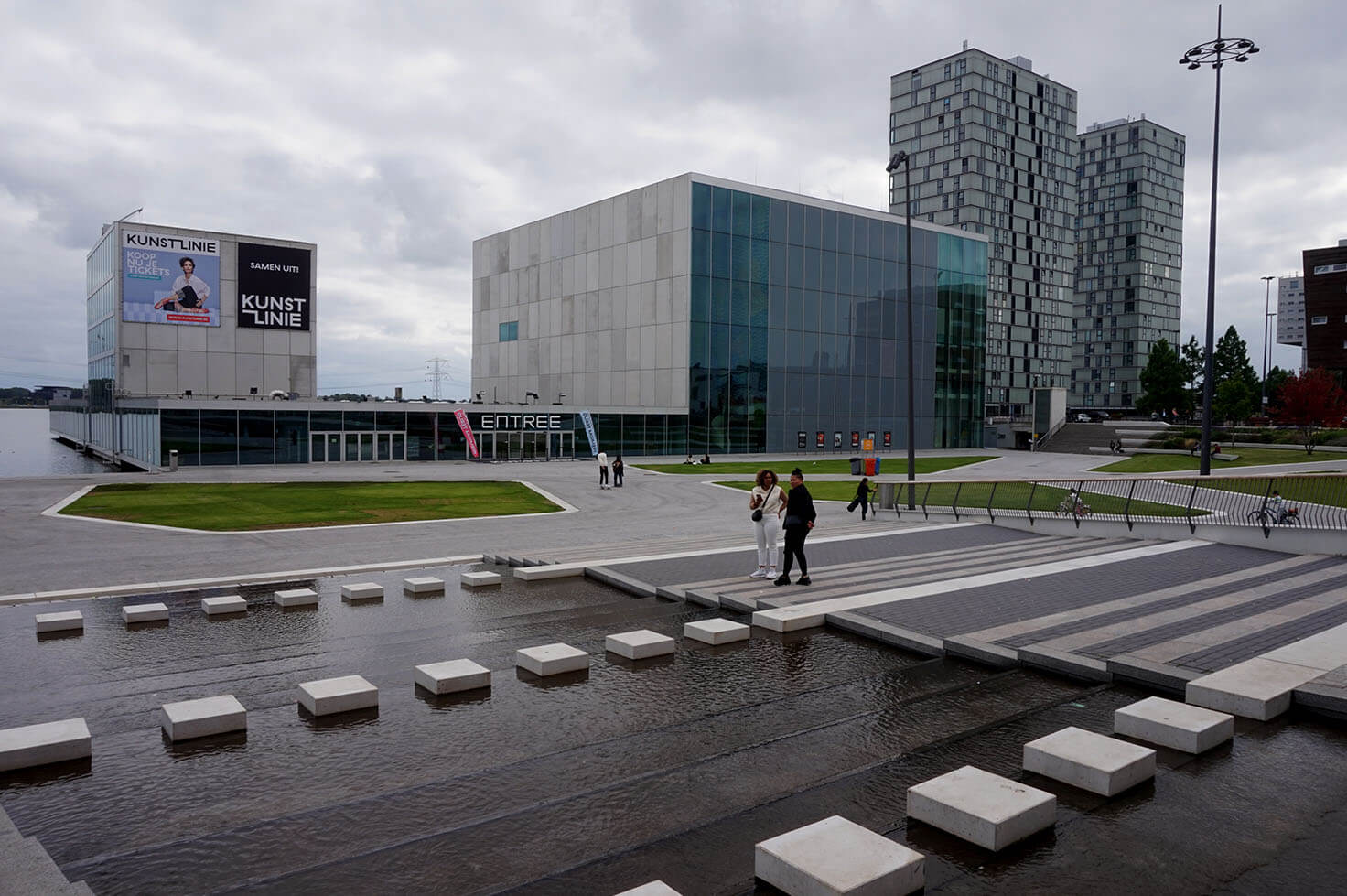
If you are not into modern architecture, chances are you’ve never heard of Almere. Indeed, most tourists stay in Amsterdam and don’t go to this unique city nearby. Built in the second half of the 20th Century, Almere is the Netherlands’ youngest city. It all started as a massive dormitory but soon became a showroom for quirky and unique architecture.
The city grew for decades. Therefore, in 1994, the local authorities hired some of the world’s top architects to embellish Almere’s city center. They chose star architect Rem Koolhaas to design the new city center master plan. The result is the dynamic and colorful area we can see today. Besides, the buildings in the center are some of the best in the country.
Putrajaya, Malaysia’s New Capital
I visited Putrajaya twice. I wasn’t very impressed by what I saw the first time, so I thought my second impression might be better. And it was. By spending more time there, I was able to appreciate the city much more. It is clean, perfectly organized, and filled with green spaces.
I loved some of its main landmarks. The Pink Mosque is beautiful, but the Iron Mosque is my favorite. Around 70% of its structure is made of steel, and its intricate details are reminiscent of traditional arabesque patterns. My least favorite buildings were the Prime Minister’s Office and the Federal Court. I didn’t find their neo-Mughal architecture particularly innovative.
