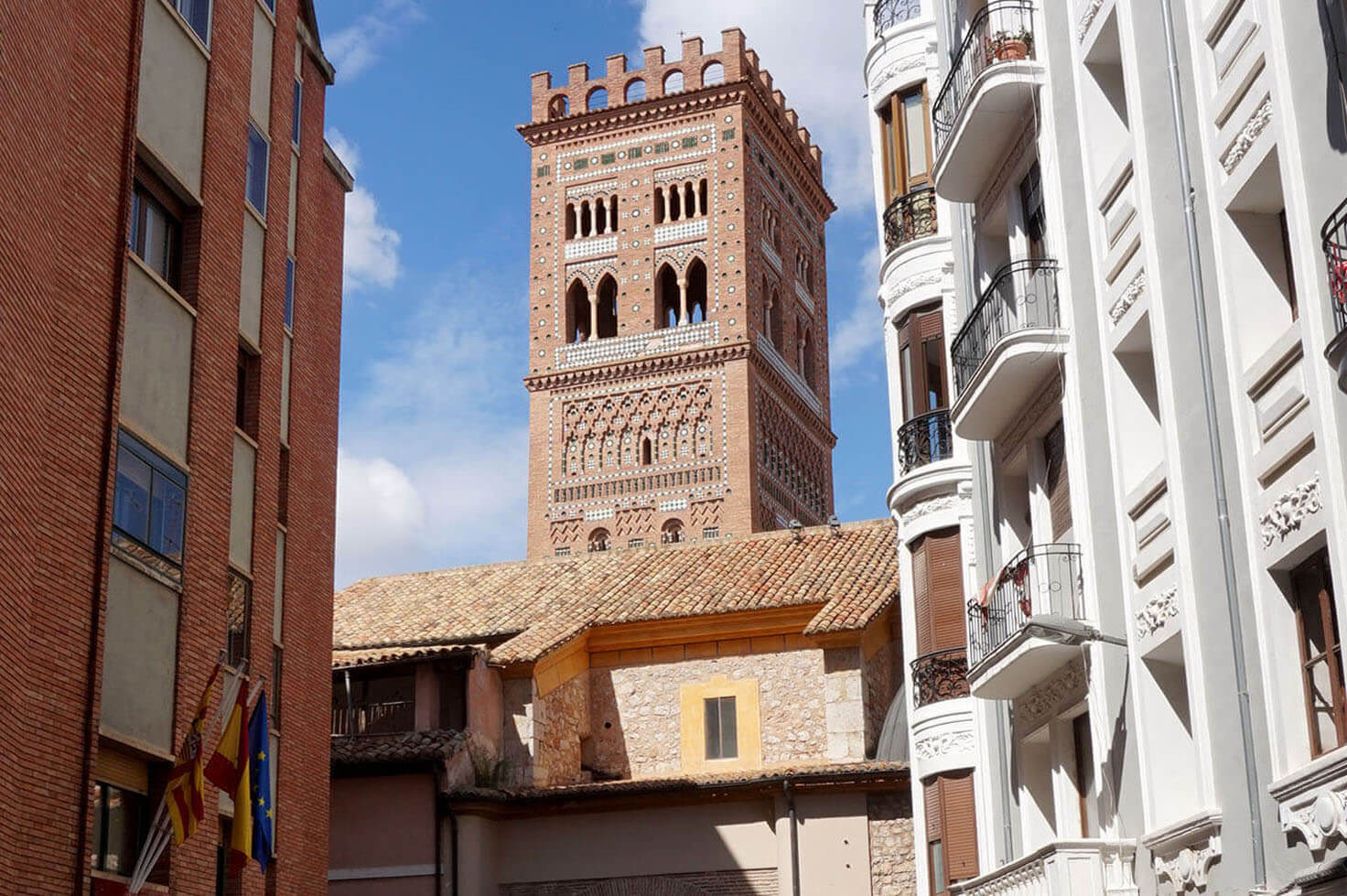
Churches, mosques, synagogues, and Buddhist and Hindu temples were always built to impress. Apart from palaces and city walls, they were often the only buildings constructed from solid materials, with considerable size and decoration. That is why, when we talk about ancient heritage, we mostly refer to temples.
Times have changed, and the world has become less religious. Consequently, temples are no longer the center of local life. At the same time, the world has become more modern, and architecture has had to adapt. Most of the world’s religions did not develop an adequate architectural response, so new temples often feel out of place. For that reason, we will focus on the historical ones.

Serbian Orthodox Monasteries
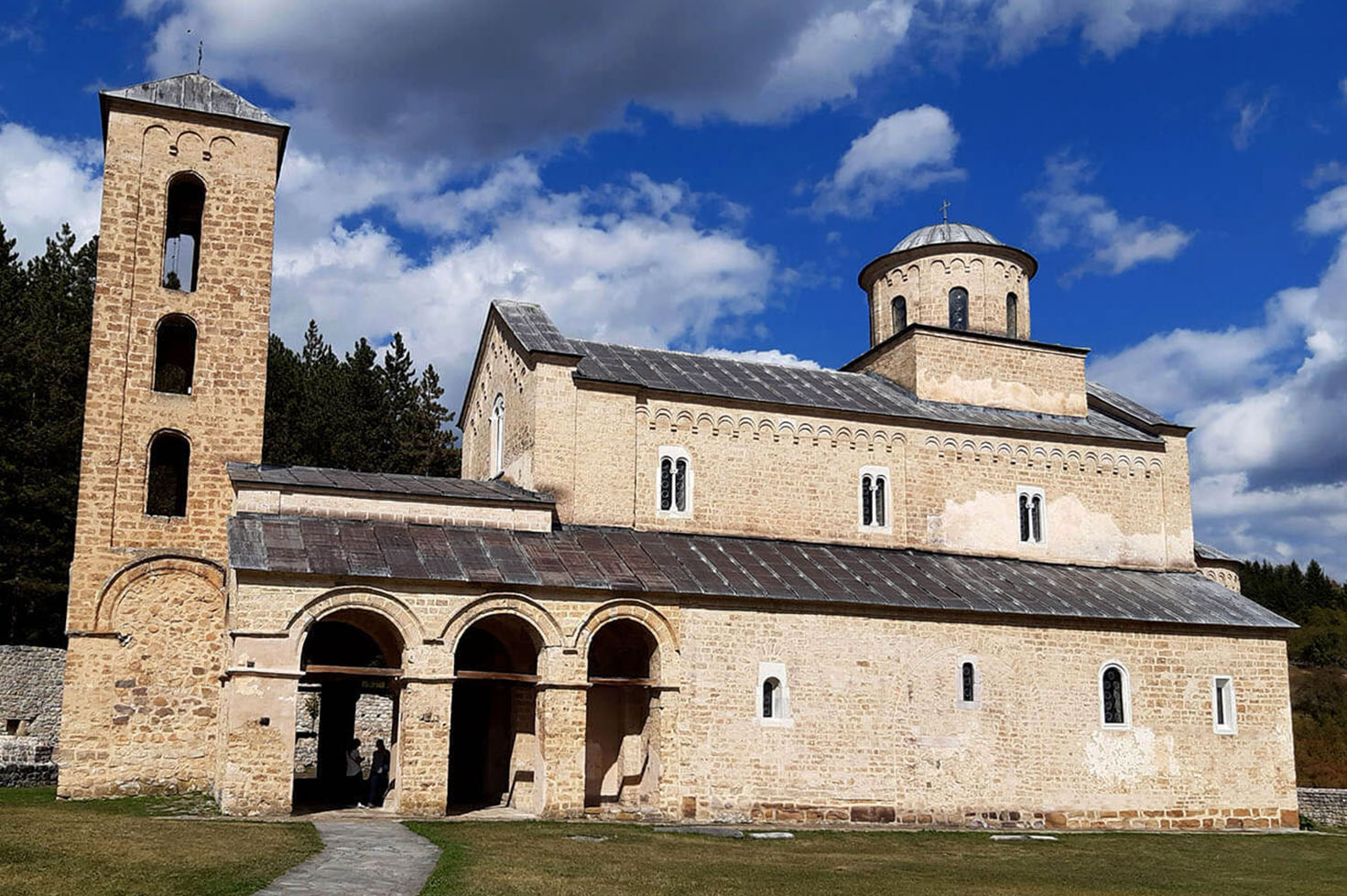
I began this topic by writing about the Orthodox monasteries of my home country. Serbia became predominantly Christian in the 9th Century and has remained so to this day. From the late 14th to the mid-19th Century, Serbia was under Ottoman rule. During that time, monasteries were the only places that preserved Serbian culture.
Initially, Serbian monasteries were influenced by European (Romanesque) architecture. Later, they came under Byzantine influence. In the 14th and 15th Centuries, a distinctively Serbian style emerged, known as the Morava School. On the other hand, monasteries in Vojvodina, Serbia’s northern province, are predominantly Baroque.
Ancient Cambodian Temples
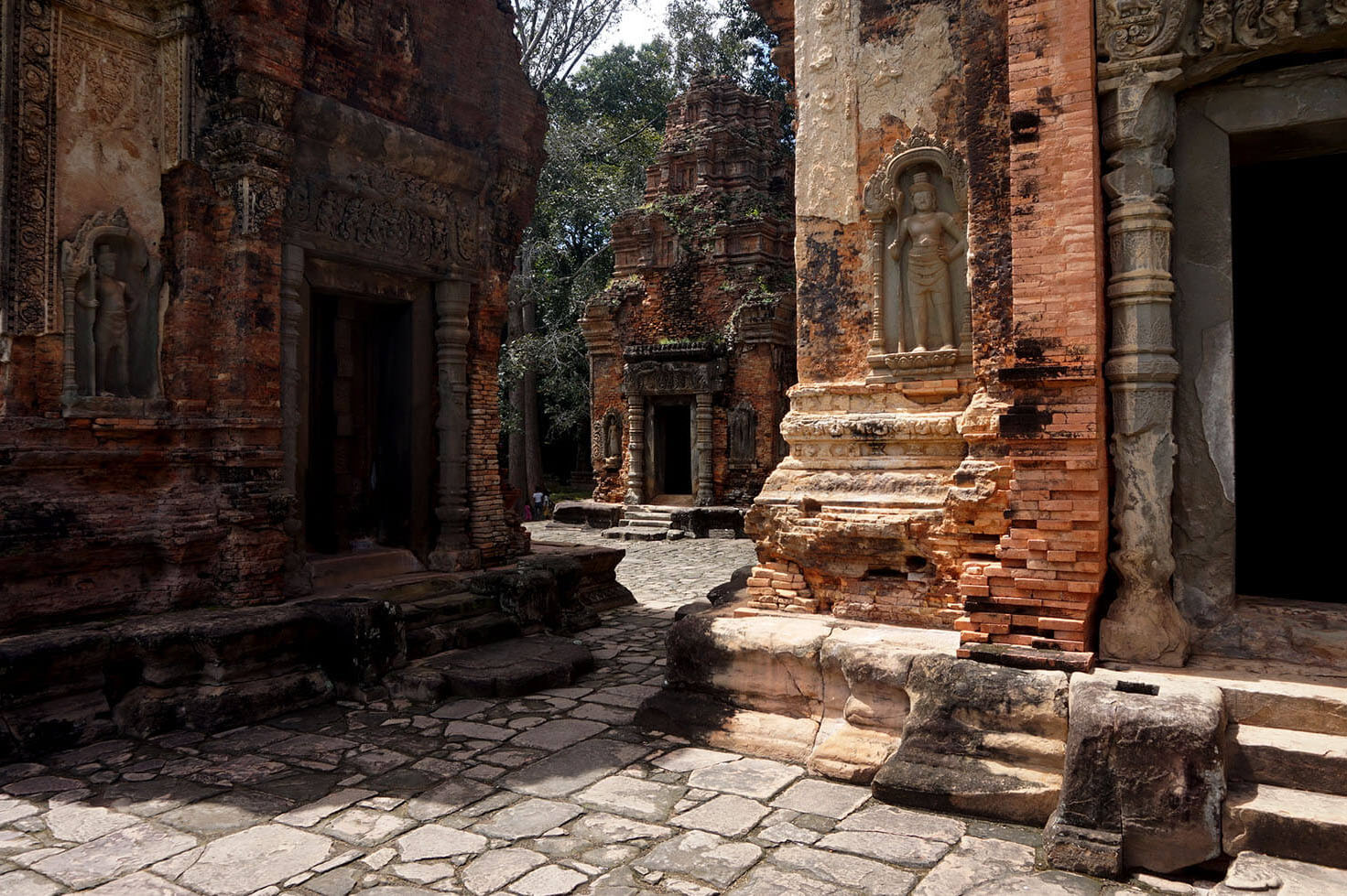
Who hasn’t heard of Angkor Wat? The largest temple complex in the world is also Cambodia’s most important tourist attraction. However, numerous temples scattered across the country also deserve to be visited. They are remnants of the once-powerful Khmer Empire.
Between the 9th and 15th Centuries, hundreds of temples were built to showcase divine glory. Originally Hindu, most became Buddhist in the 12th Century. I love the way they interact with their surroundings, whether natural or built.
Fortified Churches of Transylvania
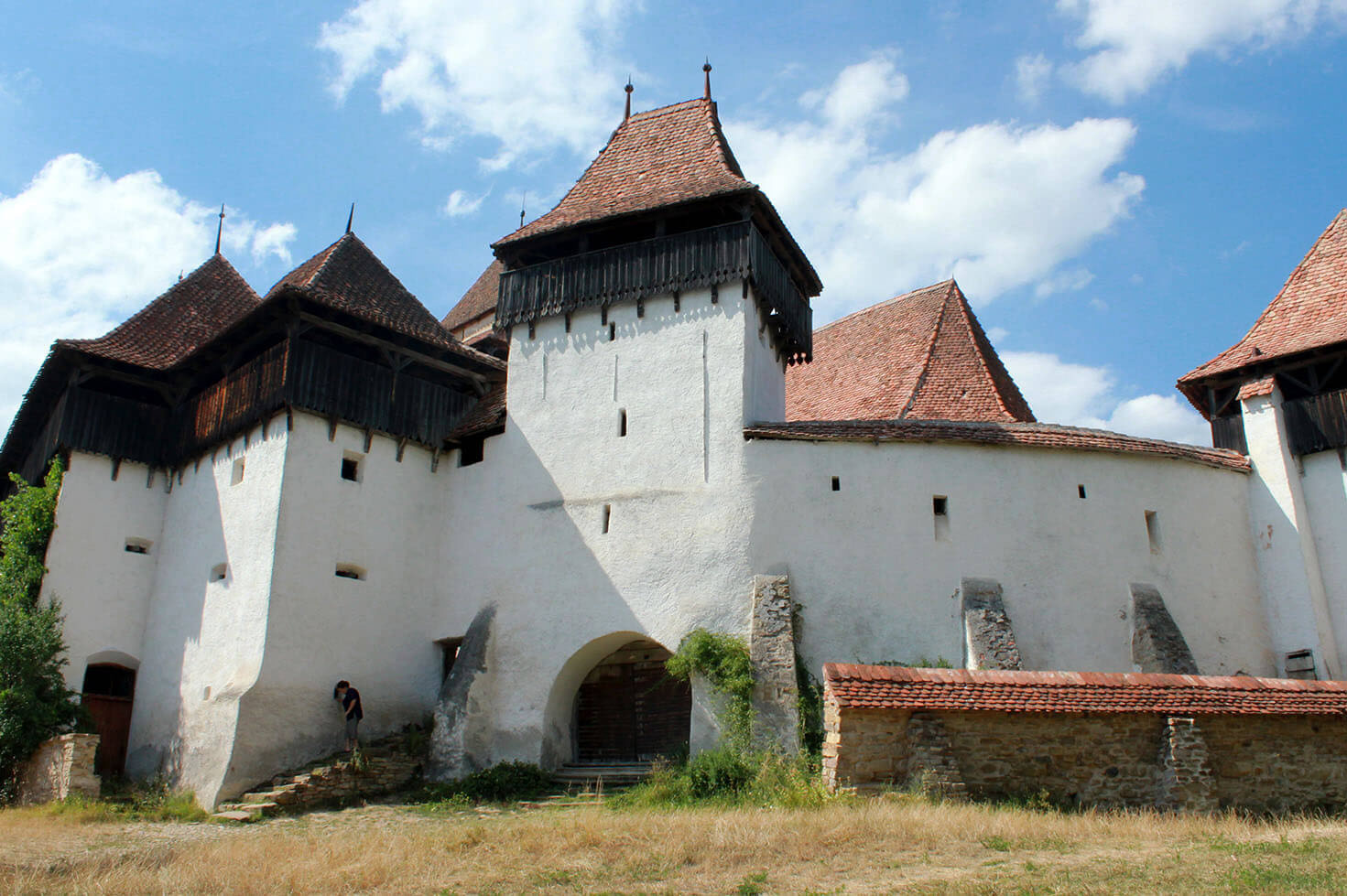
A few years ago, I went hitchhiking around Transylvania with a friend. Our plan was to visit as many fortified churches as possible. Even today, many of these churches remain in somewhat isolated villages, and the only way to reach them is by car.
Fortified churches were built by Saxons who were settled here by Hungarian kings in the 12th Century. They constructed fortifications to defend themselves from continuous attacks by the Ottomans and Tatars. Of the original 300 churches, around 150 still stand.
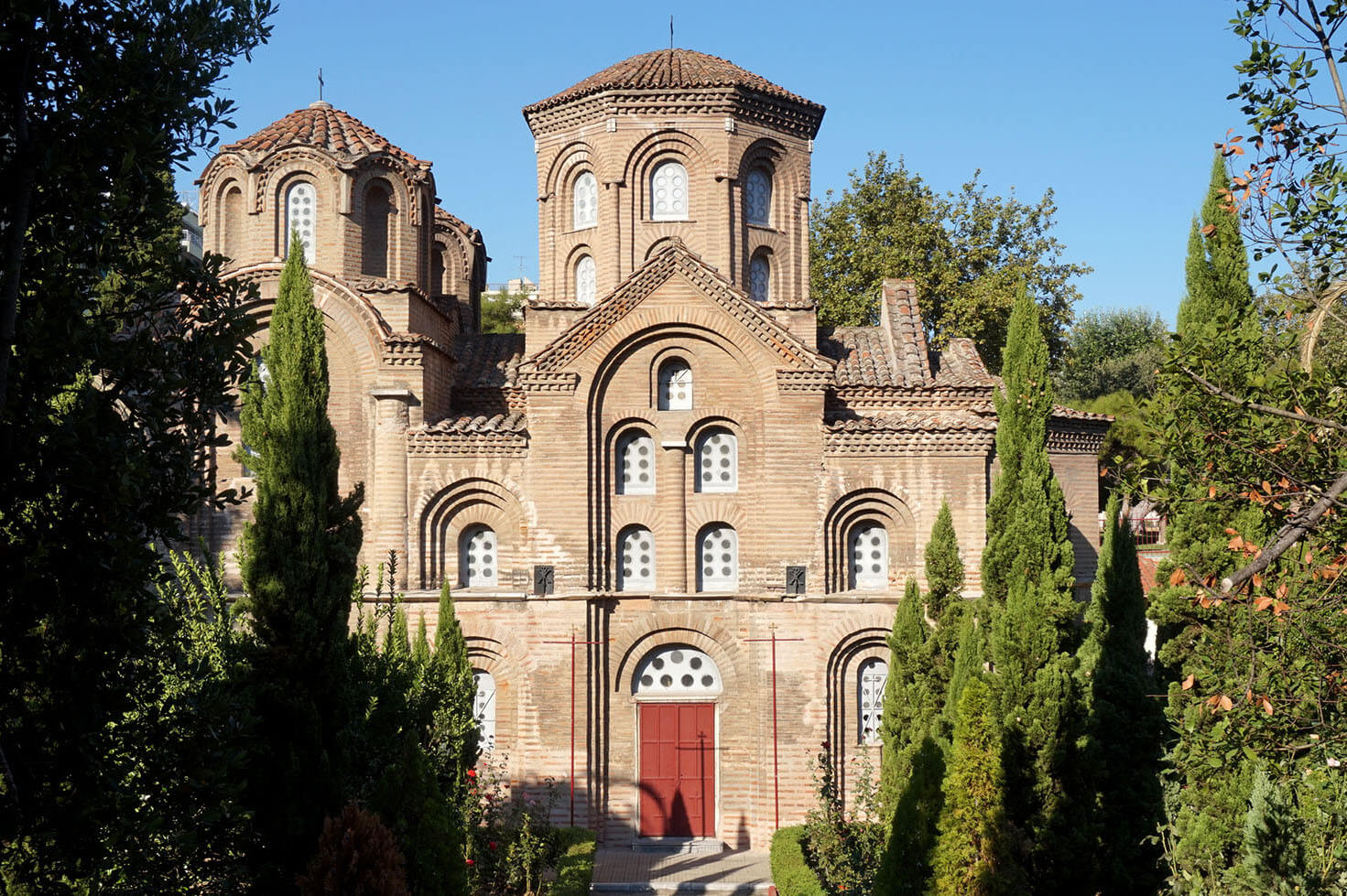
Byzantine Churches of Thessaloniki
If you visit Thessaloniki, one thing you must do is explore its magnificent Byzantine churches. The mighty Byzantine Empire ruled parts of the Balkan Peninsula from the 4th to the 15th Century. During that time, Thessaloniki was its most important city after Constantinople (Istanbul).
Thirteen churches, along with the city walls and a bathhouse in Thessaloniki, form a UNESCO World Heritage Site. They showcase some of the finest architecture in the world from the 4th to the 14th Century. I have visited almost all of them and was truly impressed by their grandeur.
Mudéjar Architecture of Aragon
I love artistic styles that are unique to a certain country or territory. One of those, Mudéjar, appeared in the 12th century all across Spain. It was the time of the Reconquista, and the Muslim population was leaving the country. However, in Aragon, many stayed, sharing their craftsmanship skills.
Mudéjar architecture is a blend of European structures (mostly Gothic, but also Romanesque) and Islamic decorations. The most notable element of Mudéjar churches is their tall tower, adorned with intricate geometric patterns made of brick and glazed ceramics, as well as semicircular, pointed, or horseshoe-arch windows.