When we talk about vernacular architecture, we refer to architecture built without architects. You’ll find the majority of these kinds of dwellings in rural areas. Oftentimes, they are quite unremarkable, but there are also some truly stunning examples.
A decade ago, I had the opportunity to travel to Syria and visit some of its most unique villages, populated by unusual beehive houses. Later, I encountered similar houses in Turkey. Other famous examples of remarkable vernacular architecture include the towns and villages of the Cyclades and the white towns of Andalusia.
Syrian Beehive Houses
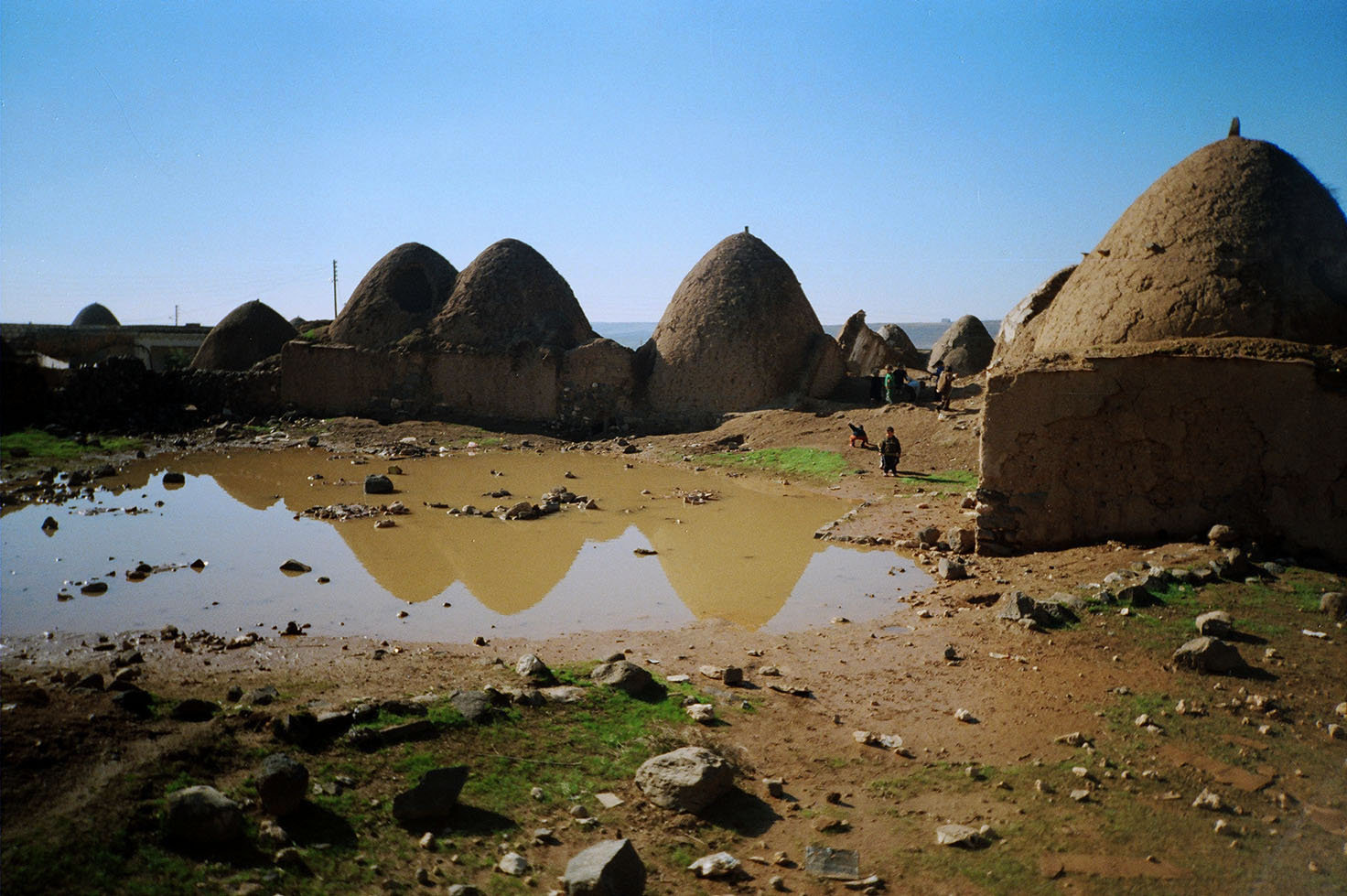
Unique types of vernacular architecture fascinate me. The wonderful beehive houses are traditional dwellings common in the desert area of Northern Syria. It seems that millenary lava flows created the original conical formations, their ancestors.
A typical beehive house is a round-shaped building with thick walls and a high dome. It is made of adobe, mud and straw, and adapts perfectly to the surrounding harsh climate. There are plenty of beehive houses in Northern Syria. That is if they survive the cruel civil war currently going. Hopefully, the carnage will end soon, and we’ll be able to rediscover these authentic structures.
White Towns of Andalusia
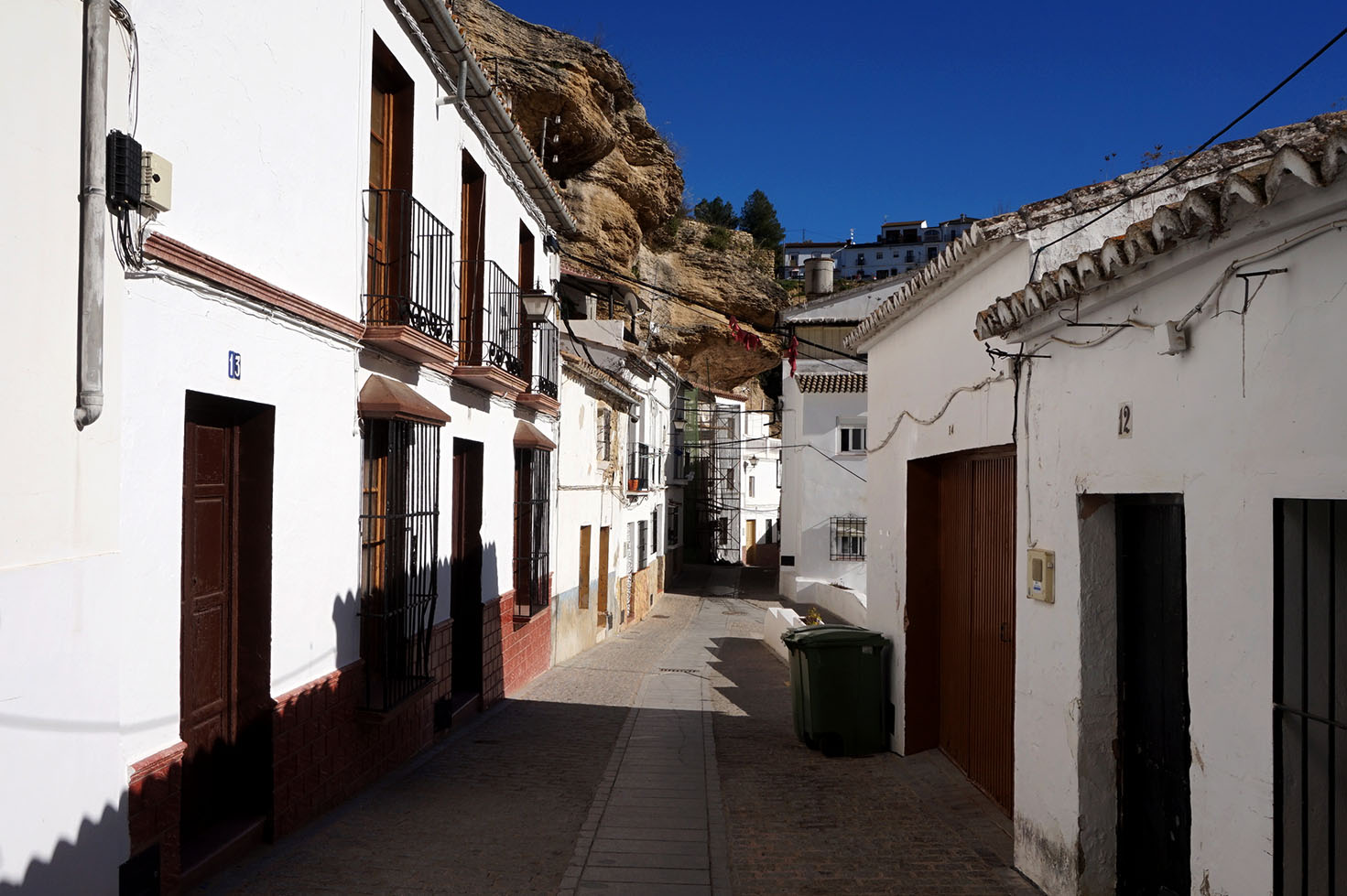
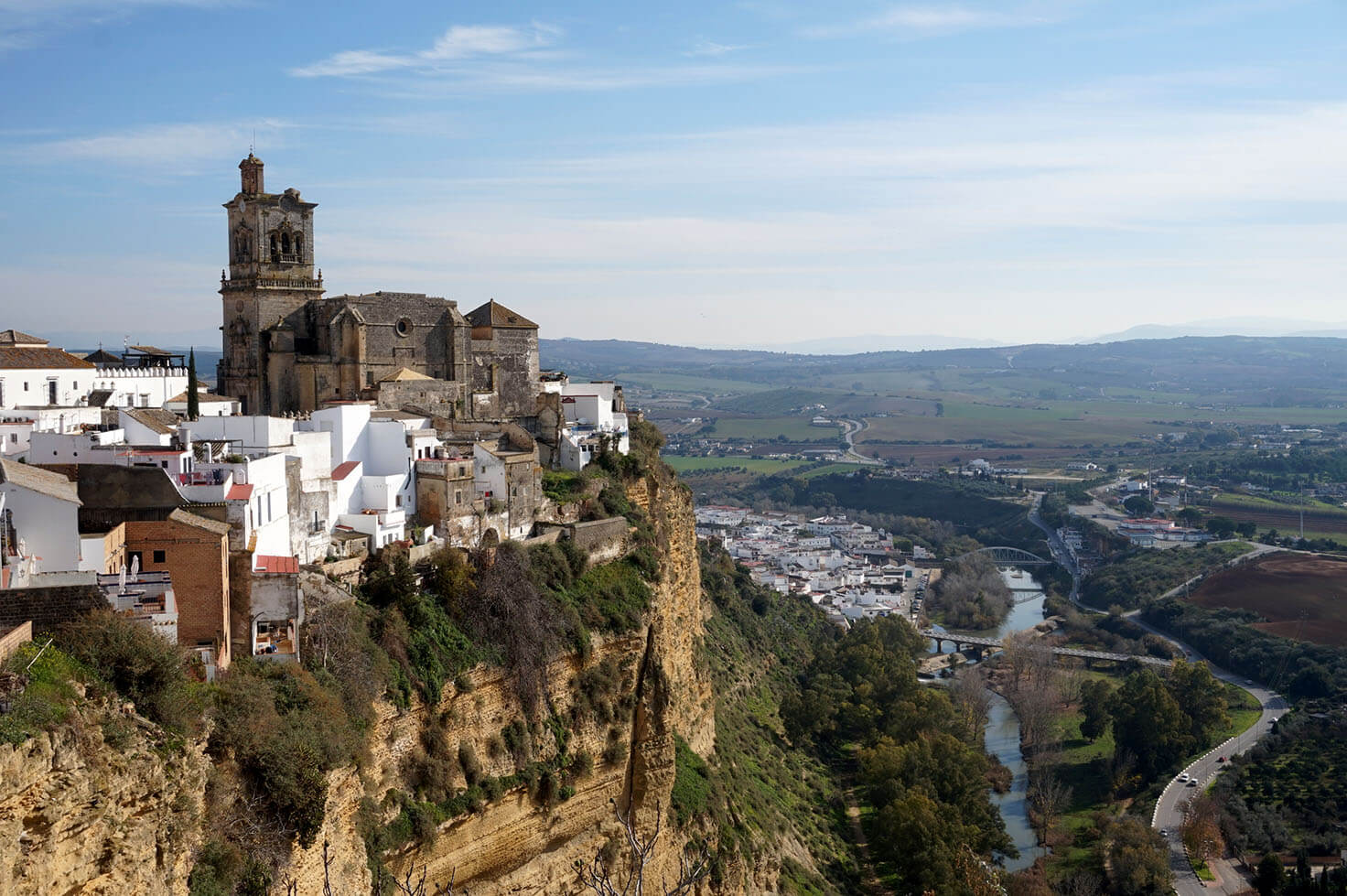
I had been planning to visit the white towns of Andalusia for quite some time. A few years ago, I visited Seville with friends, and we rented a car to tour these iconic places. Each turned out to be unique and incredibly beautiful.
According to legend, houses in this region have been painted white since Roman times. Supposedly, the white color helped keep them cool. During the Middle Ages, the houses were also painted white as a form of disinfection against the plague. Around 40 villages and towns still keep this tradition alive today.
Architecture of Cycladic Islands
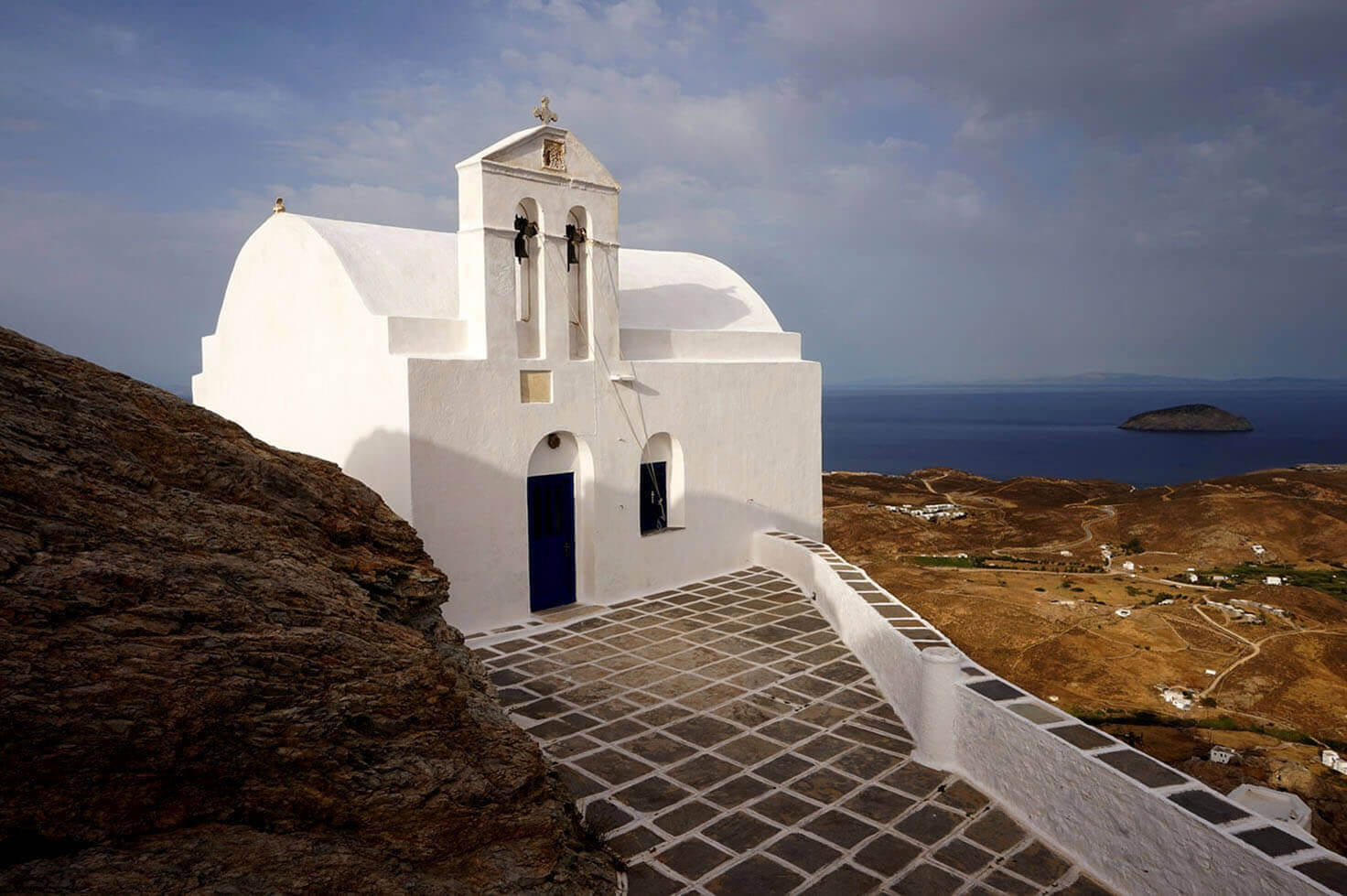
You’ve probably seen images of a typical Cycladic island, with its rugged, barren landscape topped by whitewashed houses. All islands in this archipelago share this easily recognizable appearance. Nearly all traditional buildings are painted white. White reflects sunlight effectively, while the limewash traditionally used also acts as a disinfectant.
A typical Cycladic house has a square shape, thick walls, and small window openings. Flat roofs were designed to collect rainwater, although on Santorini many houses are either cave dwellings carved into the rock or feature arched roofs. Churches, windmills, and pigeon houses are also traditionally painted white.
Cappadocia’s Unique Architecture
Cappadocia’s unusual landscape is the result of volcanic eruptions that occurred millions of years ago, followed by centuries of erosion. Humans recognized the area’s unique qualities very early and have inhabited it for thousands of years.
The Hittites arrived first in the 18th century BC. They were followed by the Persians, Romans, Byzantines, and eventually the Turks. Most of Cappadocia’s architectural heritage is Christian, including its underground cities, hermit cells, churches, and castles. Muslim communities later added mosques, hammams, and houses built alongside the cave dwellings.

Fujian Tulou
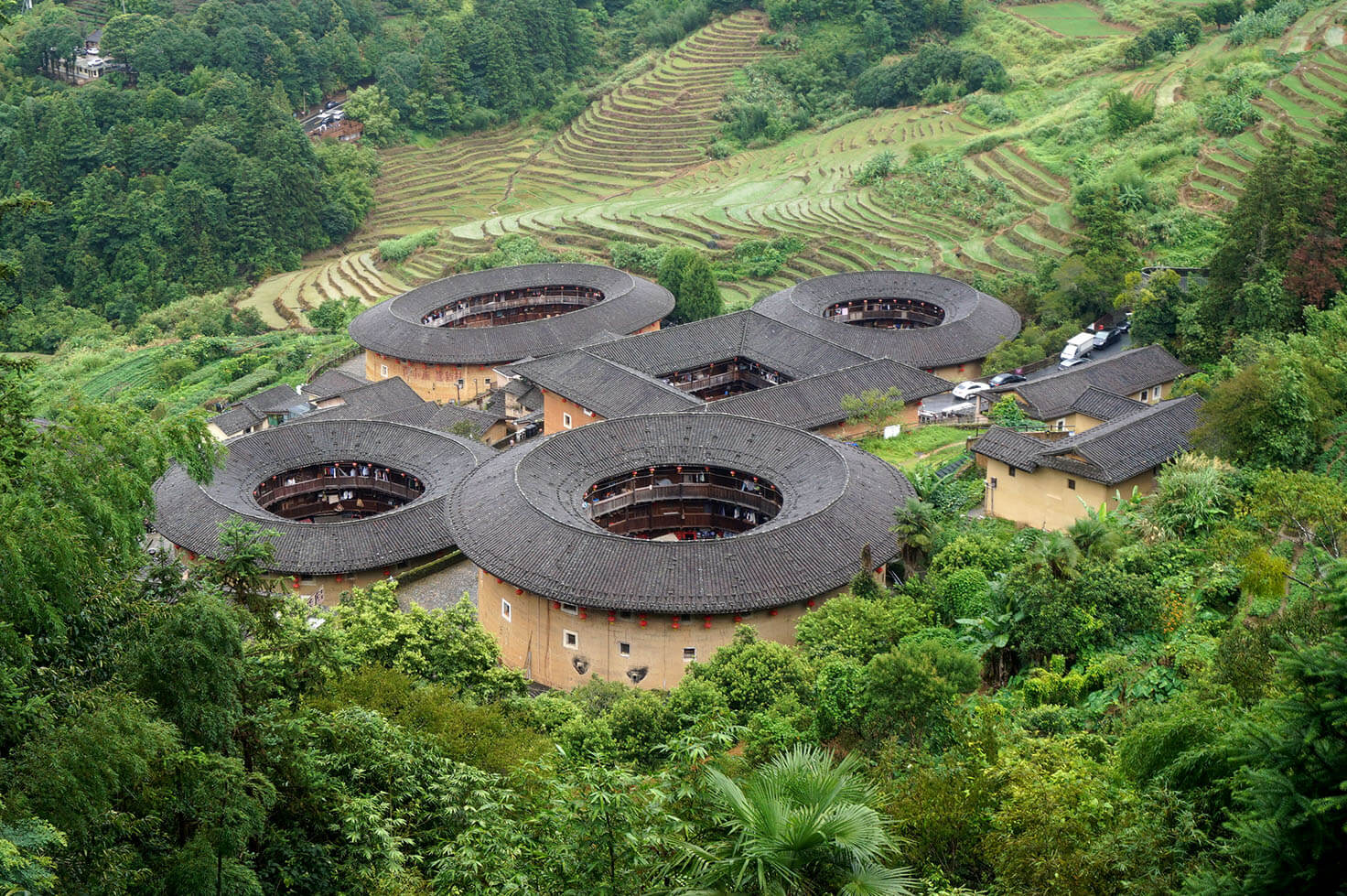
China has its fair share of unique vernacular architecture. Every region has interesting examples, but none are as impressive as the famous Fujian Tulou. These unusual dwellings have been found in Fujian and the surrounding provinces since the 12th century.
Tulous are circular, square, or oval structures surrounding a large courtyard. They are made of rammed earth, clay, stone, bamboo strips, sticky rice, and sugar. They can contain up to five floors, with kitchens and dining rooms on the first floor, food storage on the second, and living spaces on the upper floors.