


When it comes to parks, it’s usually the quality of landscape design that distinguishes one from another. But sometimes architects step in and create the perfect symbiosis of nature and architecture. Just think of the spectacular Gardens by the Bay in Singapore.
Architectural parks can be found in different corners of the planet. From La Villette in Paris to Parc del Poblenou in Barcelona, they show us that architecture and nature can complement each other. That is precisely why these places are so valuable.
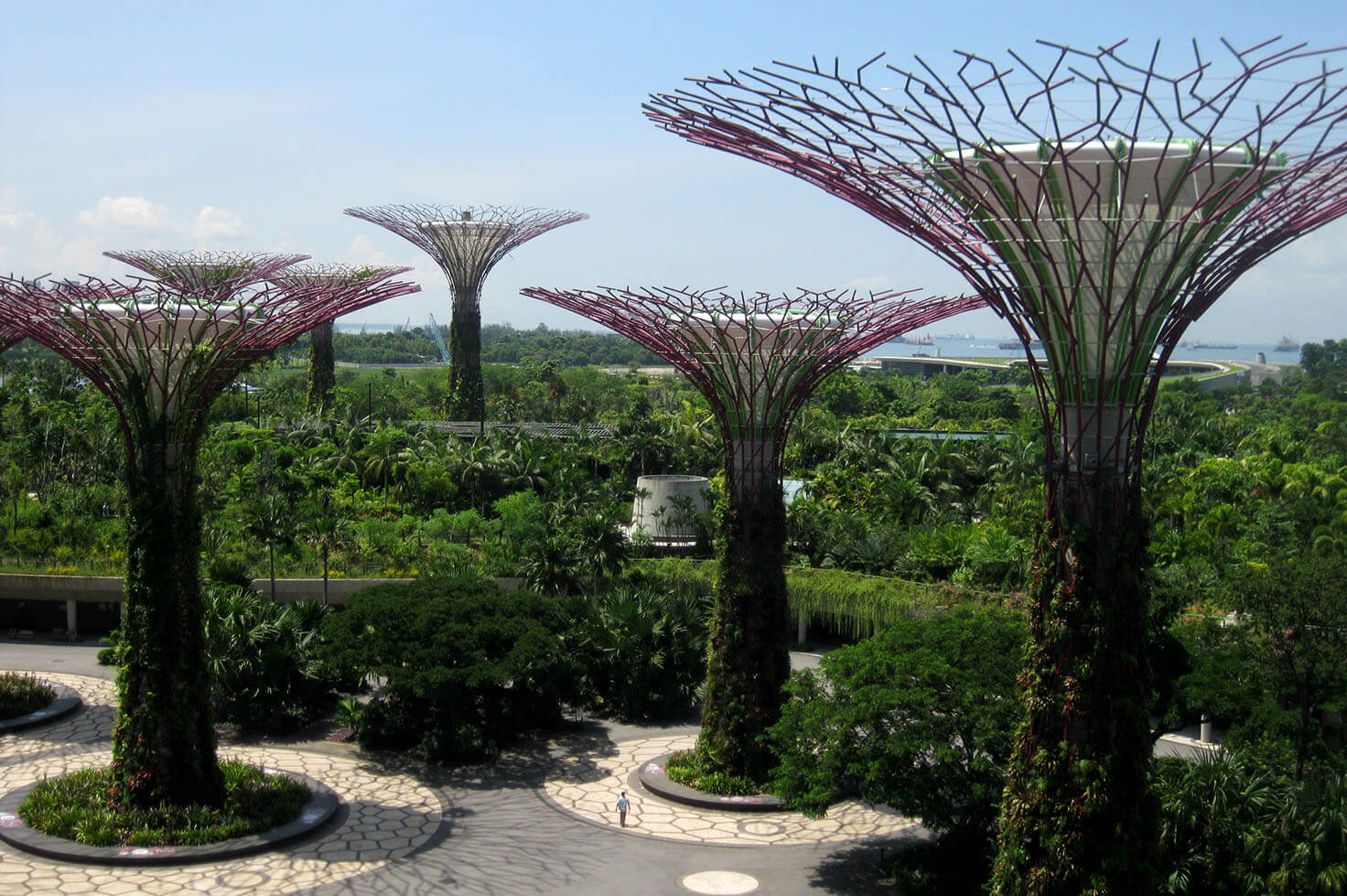
Singapore’s Gardens by the Bay
Without a doubt, Singapore’s Gardens by the Bay is one of the world’s most spectacular urban parks. The Gardens are part of a bigger project that envisions Singapore inside a park. It has a privileged location: reclaimed land between the city center and the ocean.
Its architecture is superior too: everything is perfectly tailored, from the cool tall trees to the elegant conservatories. The so-called Supertrees have become so iconic that you can see them on most of Singapore postcards! More importantly, rest assured that plants are well taken care of. With top-notch technology, everything follows sustainability principles.
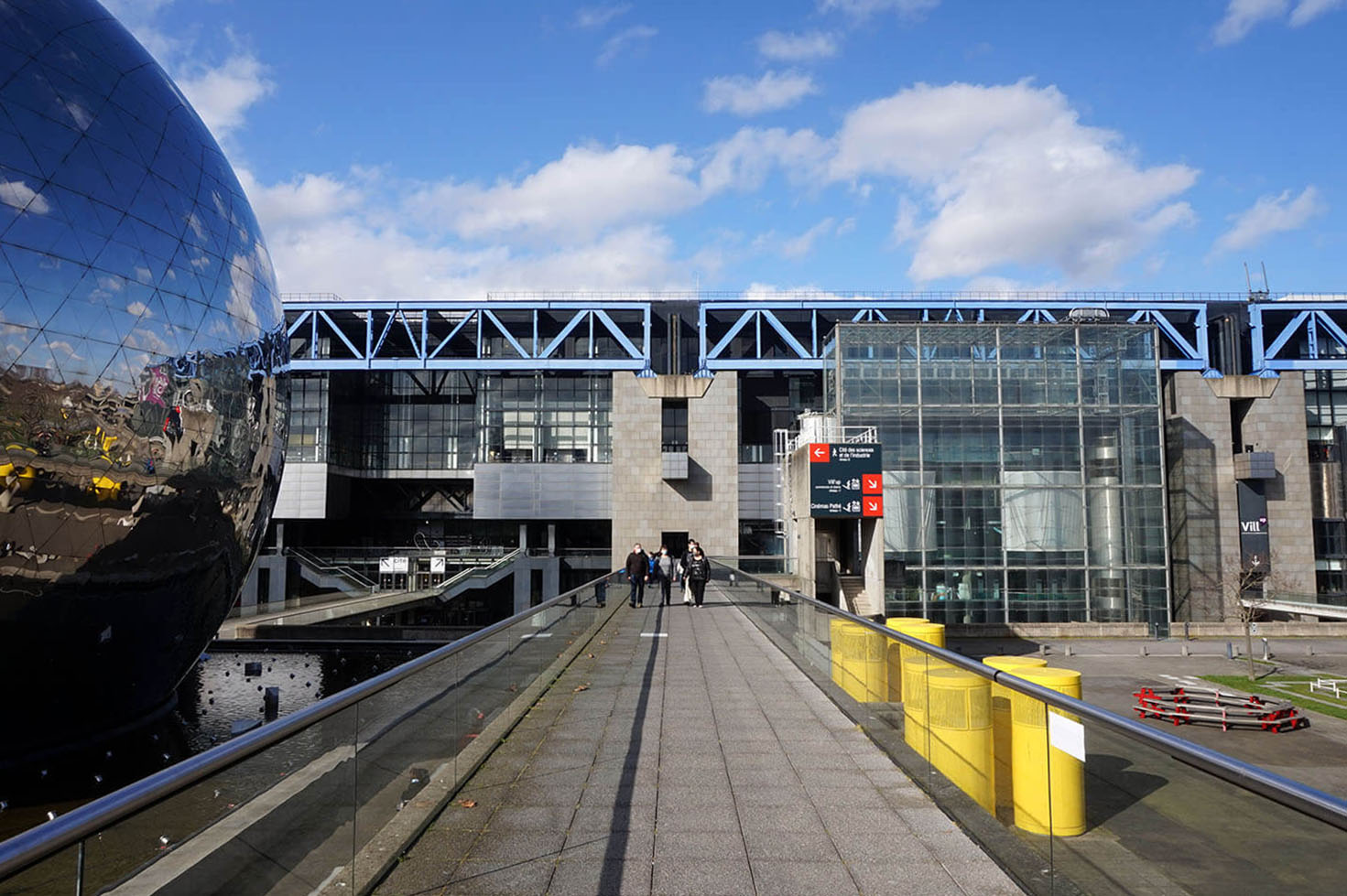
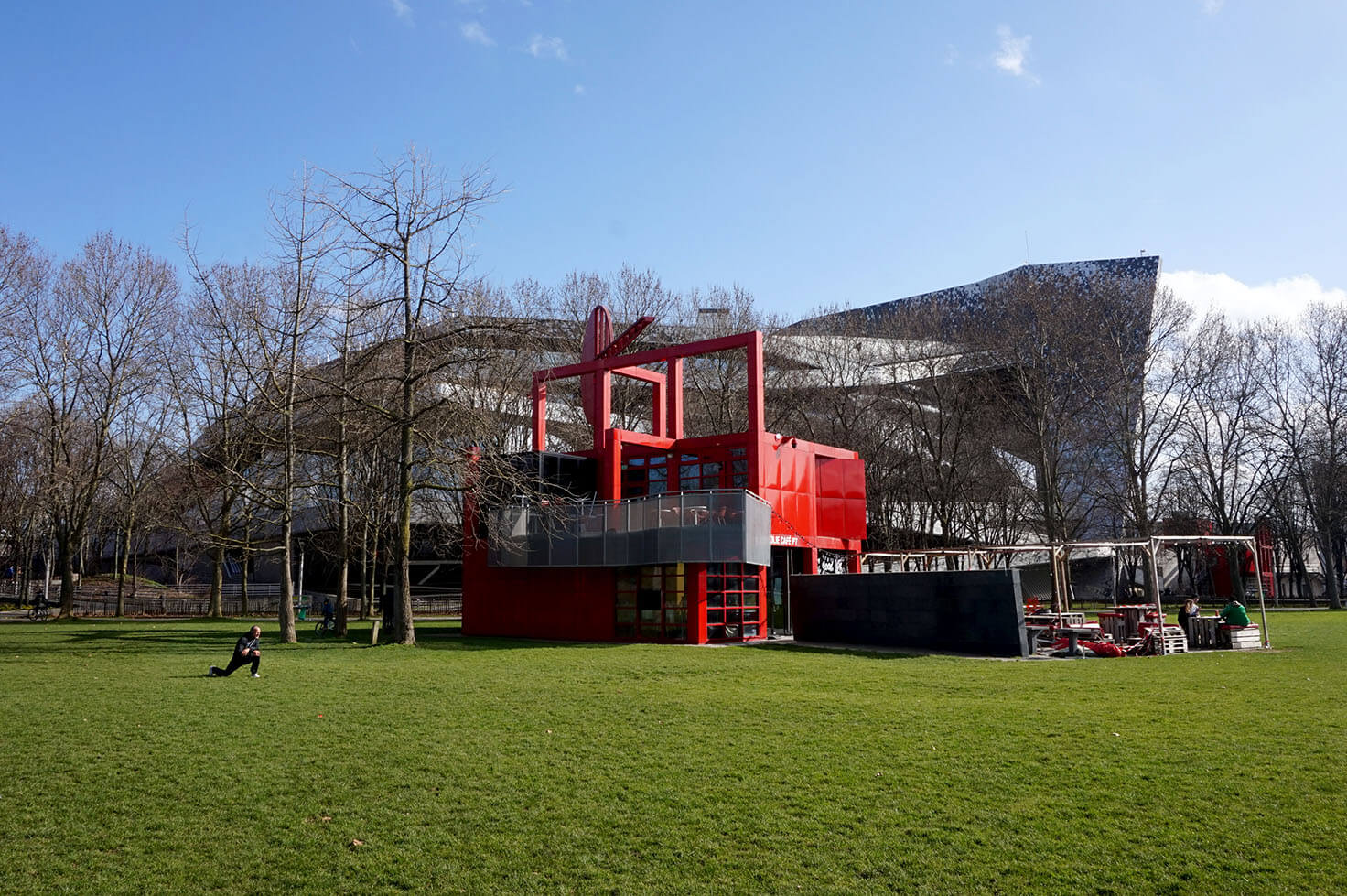
Parc de la Villette in Paris
No discussion of architectural parks would be complete without Parc de la Villette in Paris. This large park occupies the site of former slaughterhouses on the city’s northeastern edge. It is one of the most famous examples of deconstructivist landscape design, known for its iconic red follies.
Surrounded by monumental buildings that house various cultural venues, La Villette resembles a giant ancient agora. It consists of a vast green lawn with smaller gardens along its edges. This apparent emptiness is what its architect described as a non-space.
Parc del Centre del Poblenou in Barcelona
Parc del Centre del Poblenou is one of the most unique parks in Barcelona. Designed by Jean Nouvel and built in 2008, it has been somewhat controversial ever since. The chosen vegetation and irrigation system did not initially seem particularly well suited to Barcelona’s climate.
What I especially love about this park is its unusual street furniture. Hundreds of metallic elements embellish the space in the form of benches, lamps, pergolas, and fences. Even the entrance gates were inspired by one of Antoni Gaudí’s lesser-known works.
Benchakitti Forest Park in Bangkok
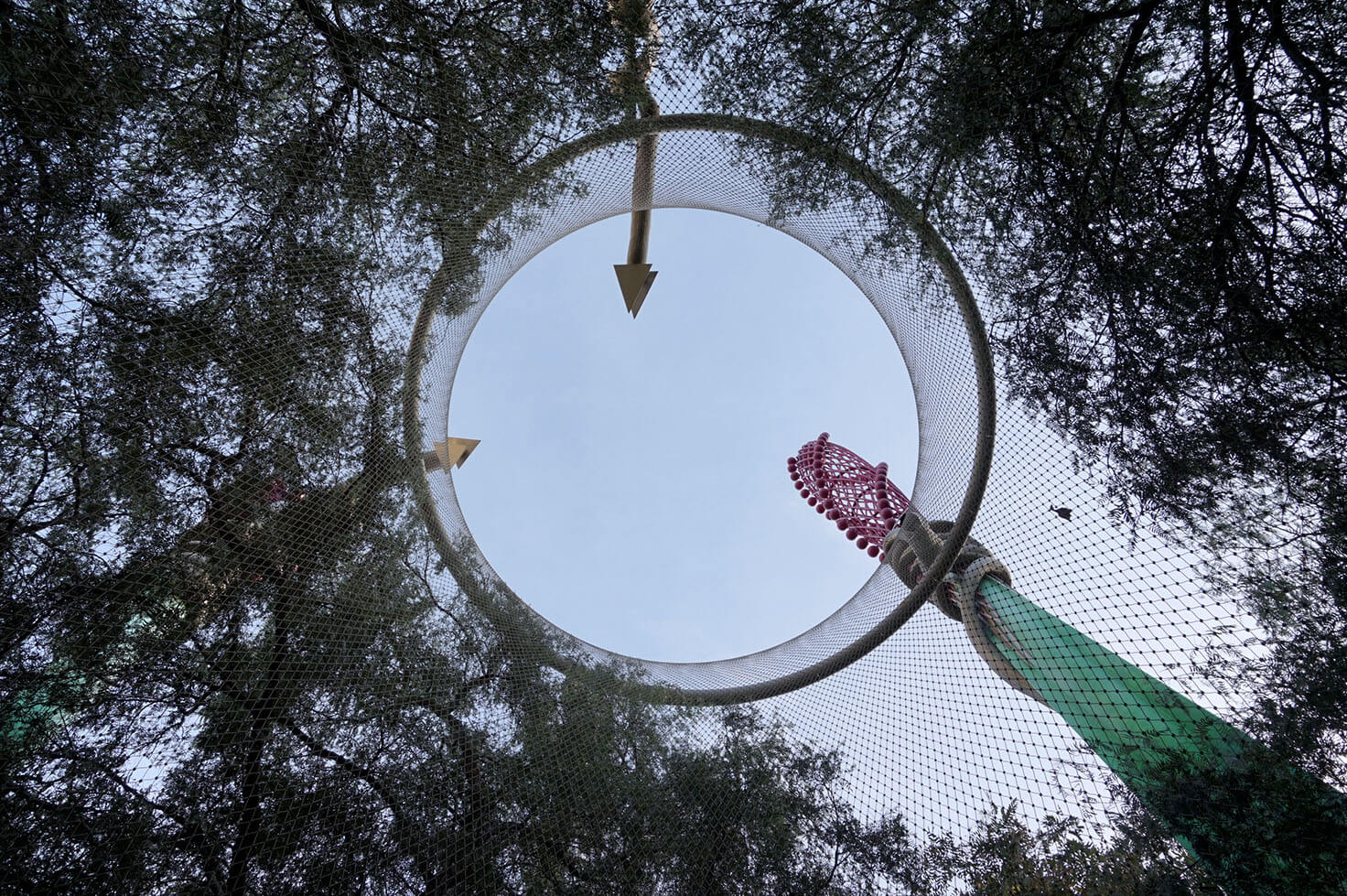
Benchakitti is one of Bangkok’s main parks. Originally opened in 1992 as a small park centered around a pond, it underwent a major expansion in 2022 with the addition of the Benchakitti Forest Park. The new section was built in just 18 months on a limited budget, using best practices in sustainable design.
The park is divided into four areas, each with its own pond and islands. The wetland landscape was created using the cut-and-fill technique, meaning no additional soil had to be brought to the site. It is designed to store water during the rainy season and gradually release and reuse it during the dry months. A long-elevated pathway meanders above the park.
