


After having a ball in Seoul, we wanted to explore the rest of South Korea a bit. Our plane to Osaka was to leave from Daegu to the southeast of the peninsula, so it was obvious where we had to go. I’m a big fan of UNESCO’s World Heritage Sites list. Thus, we went to Gyeongju, just an hour away from Daegu Airport.
The place offers three World Heritage Sites within a radius of just 15 square miles (40 km2). These are the Gyeongju Historic Areas, the Bulguksa Temple & Seokguram Grotto, and the Yangdong Folk Village. On top of that, there’s a lake in the area, and the beach is nearby. Our Gyeongju 3 day itinerary takes you to all the main sites.

How to Get to Gyeongju
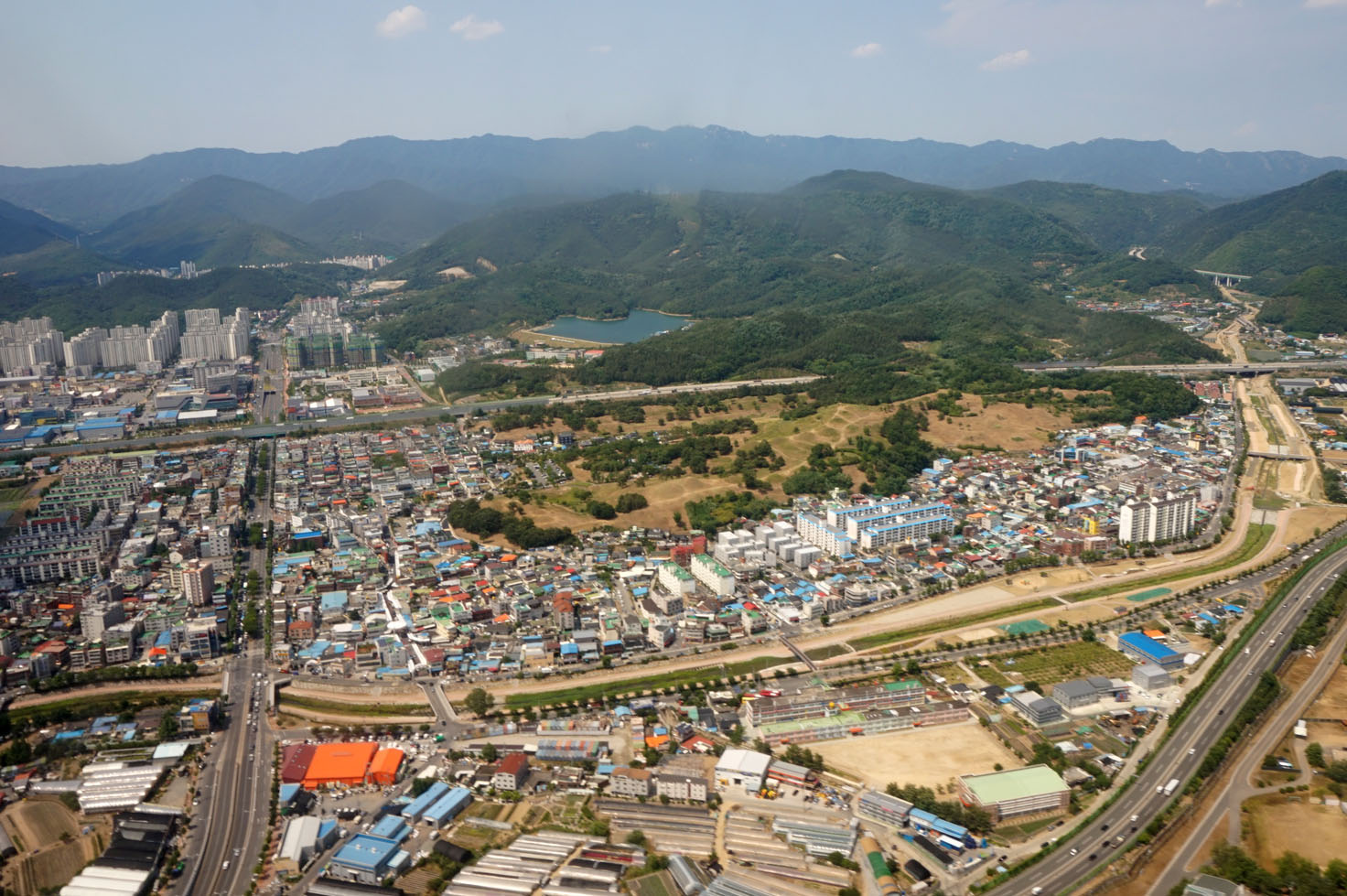
South Korea’s transport network is quite developed, and traveling is an adventure in itself. It’s kind of futuristic! You travel through a never-ending urban sprawl, with buildings all around. That said, the further you get from Seoul, the less populated the country is. You go through lush green mountains, fields, and next to the sea.
However, the best thing is how polite and helpful people are. If you can’t find your way, just ask a local. A lot of people speak English, and the ones that don’t will still find a way to help you. Another thing that impressed us is how clean and orderly trains and buses are.
Seoul to Gyeongju
The most convenient and fastest way to get from Seoul to Gyeongju is on a train. The super-fast KTX train covers the distance in about 2 hours. It arrives at the new train station out of the city (Singyeongju). From there, take a bus to the center. It takes some 15 minutes through the green mountains to get to Gyeongju.
There’s another way how to get from Seoul to Gyeongju. Slow trains connect the two cities, but the journey takes about 5 hours. On the positive side, slow trains arrive at the Gyeongju city center station. Please bear in mind that you cannot buy tickets online.

Daegu to Gyeongju
From Daegu to Gyeongju you can travel by train or bus. The fast SRT train covers the route in only 17 minutes and drops you at the new train station out of the city (Singyeongju). Once again, it’s a 15-minute ride on a local bus to downtown Gyeongju.
We opted for a direct bus since it arrives at the Gyeongju bus terminal in the city center. Buses leave from Daegu Bus station, in front of the Daegu Main train station. It’s the massive terminal where SRT trains arrive. Buses are frequent, and the journey takes around 50 minutes.

Busan to Gyeongju
From Busan to Gyeongju you can also travel by train or bus. SRT fast trains leave from central Busan and arrive at the Singyeongju Station in 34 minutes. Buses leave from Busan Central Bus Terminal next to the last stop on metro line 1 (Nopo) and take some 50 minutes.
Thus, the whole trip from central Busan to Gyeongju takes just over an hour. There are also direct buses from Busan Airport to Gyeongju. These leave every two hours, and the journey takes about 1 hour and 20 minutes. If you are short on time you can also take this small group tour to Gyeongju from Busan.

Where to Stay in Gyeongju
Gyeongju City Center – The Best Hotels
Gyeongju has a couple of very nice hotels in the city center. That’s why we believe staying in the center is a good idea, since you can walk to several interesting sites. Our favorite hotel downtown is the Gyeongju GG Tourist Hotel. Conveniently located between the heritage site area and the bus station, it offers extra-large rooms and a gym.
The Rivertain Hotel Gyeongju is also in the center, within walking distance of most attractions. The rooms are huge and modern. We love the extra comfy beds and bathrooms with tubs. It’s got free parking, an onsite restaurant, and a lovely terrace. The complimentary breakfast is delicious!

Gyeongju Hanok Village – The Best Hotels
If you prefer staying in a Hanok house, there are several good options south of the city center. We strongly recommend Namuae. The traditional Hanok house is next to the Royal Tomb of King Nichu. It’s got a lovely garden. A local family runs the hotel. We love it!
The Doran Doran Guesthouse faces the grounds of Donggung Palace. It’s an authentic Hanok House set around a garden. The hotel has free parking and laundry services. The shared lounge is nicely appointed. The rooms feature high ceilings! The local couple that runs the house will give you fantastic tips.

Bomun Lake – The Best Hotels
We stayed next to Bomun Lake in one of the best hotels in Korea. The Lahan Select Gyeongju has the best views in the city. The contemporary tower has everything you expect from a 5-star property. It’s got an outdoor and a heated indoor pool. The rooms are huge and have balconies with views.
The best hotel for families in Gyeongju near Bomun Lake is the Albescent Poolvilla. The hotel is a modern take on traditional Korean Architecture. It’s got three pools! Every unit comes with a balcony, a seating area, and a fully equipped kitchen. Book the villa with a private pool, and you will never want to leave.
Other Places to Stay in Gyeongju
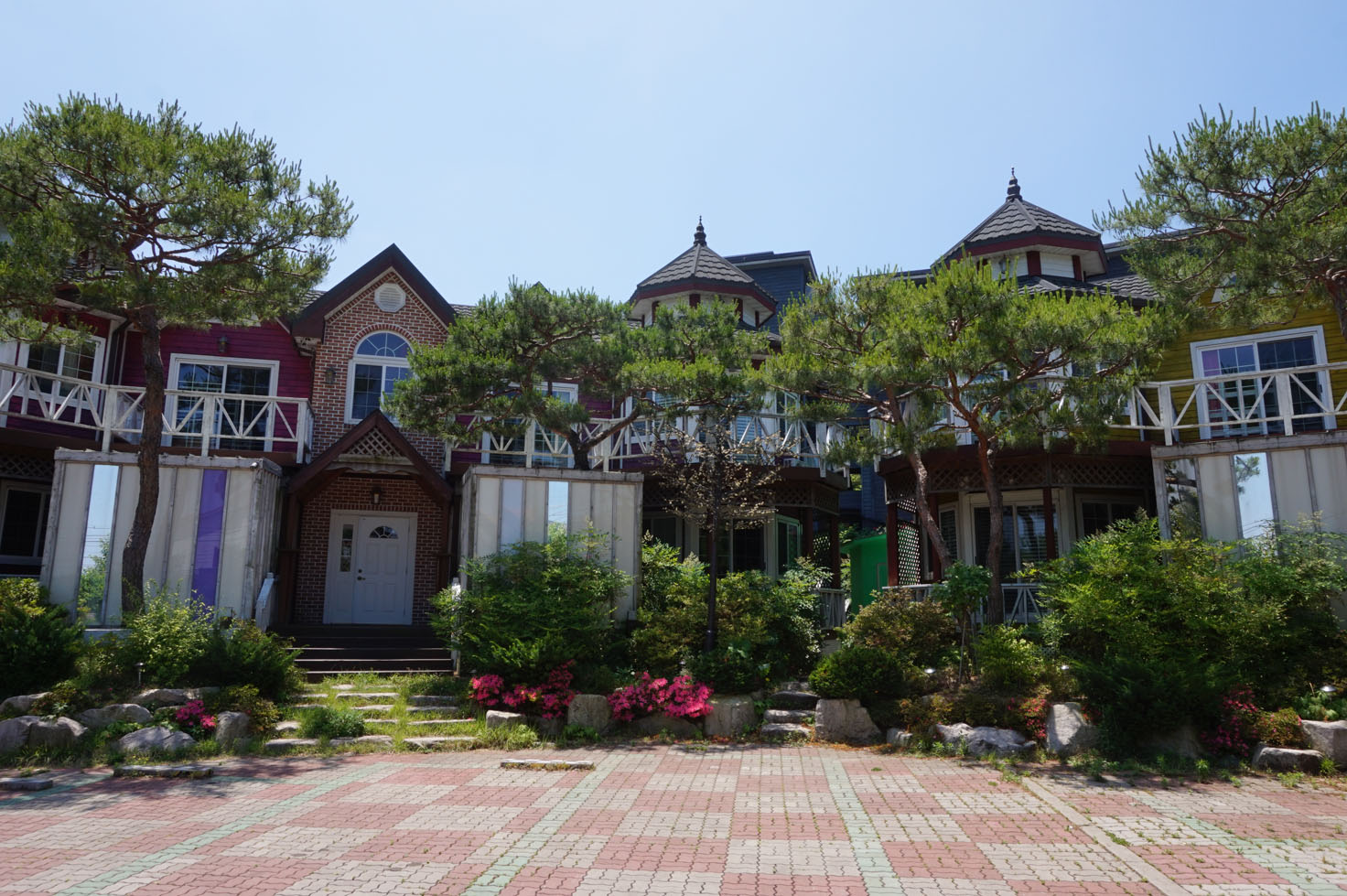
If you like nature, stay next to Gyeongju National Park. The Gyeongju Family Pension is a traditional hotel set in a big garden with lush plants. The family studios and suites are extra big and come with a fully equipped kitchen and high ceilings. Free onsite parking.
If you don’t like crowds, book a room at the Gyeongju Hwarangroo. This massive Hanok house faces the mountains and has the biggest garden in the city. The rooms have gorgeous wooden ceilings and overlook the garden. You can have your complimentary breakfast while enjoying breathtaking mountain views.
How Many Days in Gyeongju
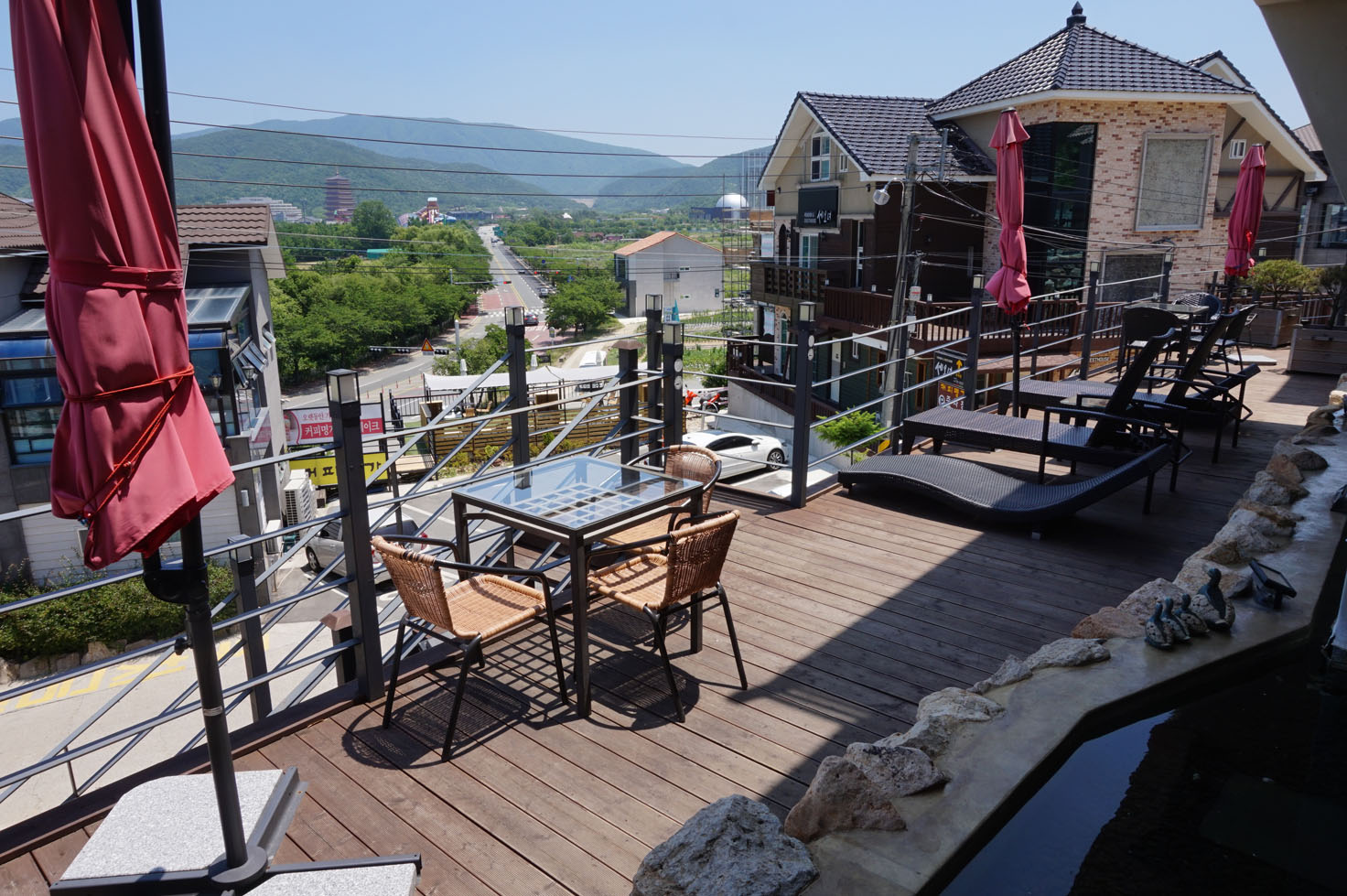
Most tourists spend 1 or 2 days in the area and leave. Don’t make such a mistake. Gyeongju is so cool and offers so much that you need at least 3 nights to discover it. That said, we strongly recommend staying at least an extra day.
Once you are done following our Gyeongju itinerary, take a day off and enjoy the atmosphere. To us, that’s the best thing you can do in the area. We stayed once for two weeks and fell in love with the place. It’s arguably the best place in the country to rest and experience Korea.

Gyeongju 3 Day Itinerary
As mentioned above, our Gyeongju 3 day itinerary covers the most important attractions. In addition, you will visit them using public transport, a bike, and on foot. There’s no need to rush! That said, if you are lucky and have more time, you won’t get bored.
Within Gyeongju National Park you will find several attractions you can hike too. On the contrary, if you only have one day to explore Gyeongju, we suggest focusing on the city and its Unesco sites (Day 1 of our itinerary). If you have two days, include Bomun Lake and Bulguksa Temple.
Day 1
Gyeongju City
Gyeongju City is different from other megacities in South Korea. The beautiful Gyeongju National Park surrounds this mid-size city of some 250000 people. The city center doesn’t have much of a soul, with only one interesting street: semi-pedestrian Bonghwang-ro.
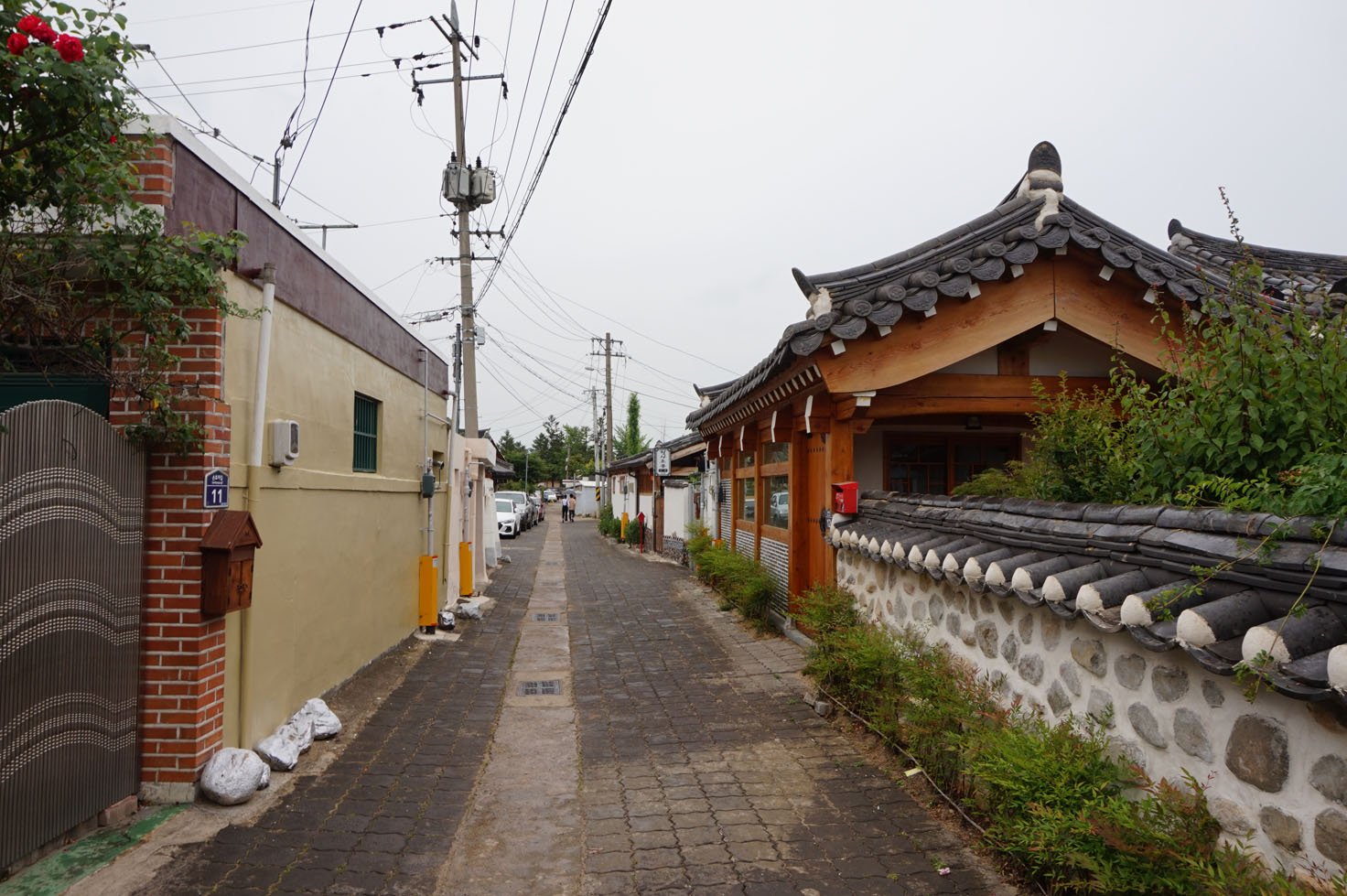
There is also a nice covered market close to the train station, Seongdong Market. The area south of Taeojon-ro Street and west of the Gyeongju Historic Area is another story. Its narrow streets and cute houses resemble a traditional Korean village. Nice restaurants and cafés dot the area.
Gyeongju Historic Areas
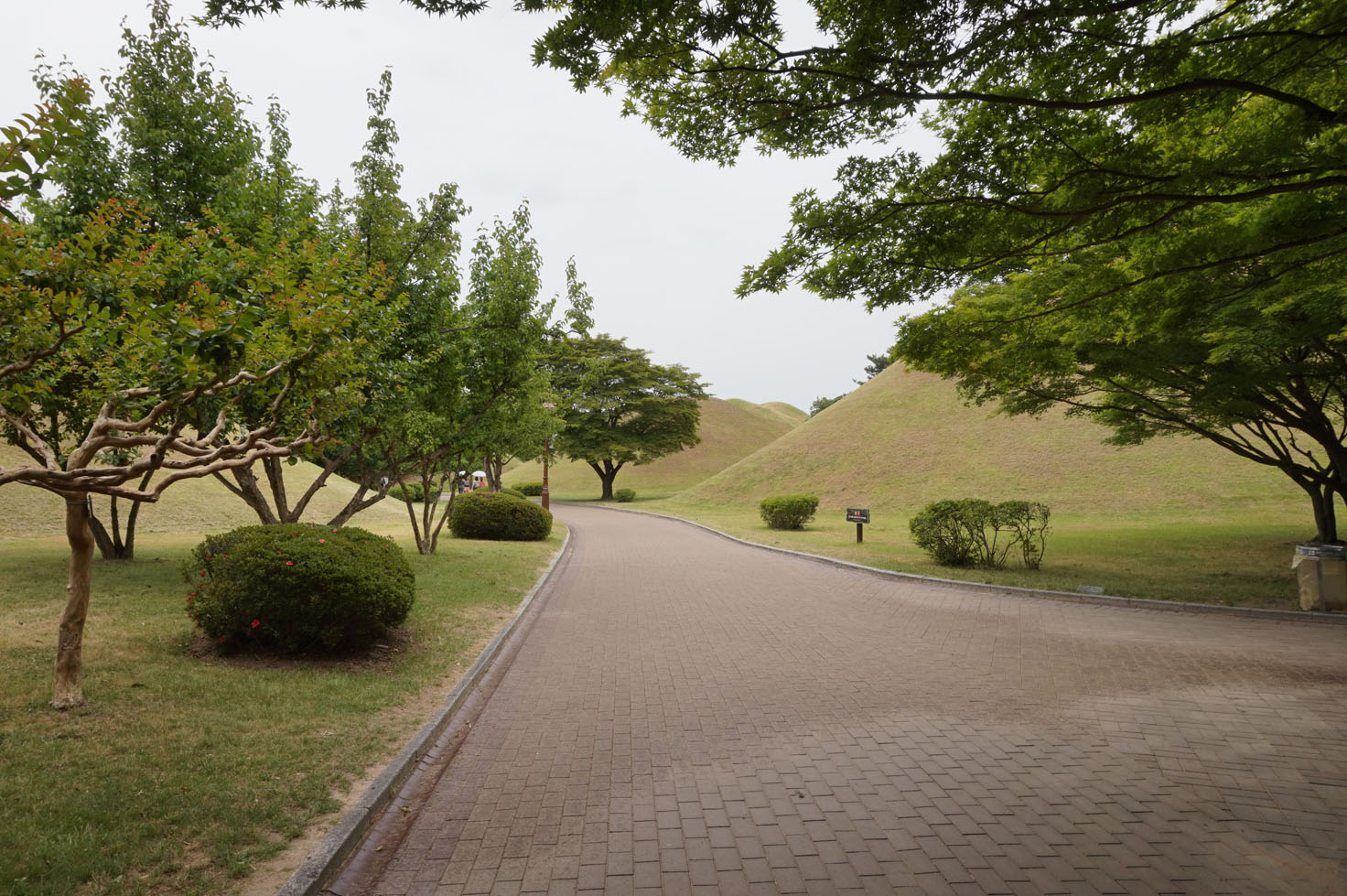
The Gyeongju Historic Areas are open fields with historic buildings. The Royal Tombs are the closest to the center and the visually most impressive ones. These structures look like hills and date back to the Silla Dynasty. Most of them are inside the so-called Tumuli Park Gyeongju. Southwest from there, you’ll stumble upon awkward Cheomsongdae, the oldest astronomical observatory in East Asia.
You will find the remains of the old royal palace in the Anapji Pond, to the east of the observatory. Finally, don’t forget to visit the Gyeongju Gyochon Traditional Hanok Village and the monumental Woljeonggyo Bridge. If you have time, go visit the nearby Gyeongju National Museum. Since most people come from Seoul during the weekend, we biked around the area mostly by ourselves. What a privilege!

Day 2
Bomun Lake Resort
The Bomun Lake Resort is a large tourist complex 8 kilometers east of Gyeongju opened in 1979. Though originally intended for foreign tourists, it became highly popular among Koreans. Indeed, while we met many foreigners in the city, there were only a few near the lake.
Large hotels and shopping centers pack the northern side of the lake, while rice fields and small houses surround the southern side. The most prominent structures near the lake include the lovely Bomun Pavilion, the Gyeongju World Water Park, and the high tech Gyeongju Tower.

Yangdong Folk Village
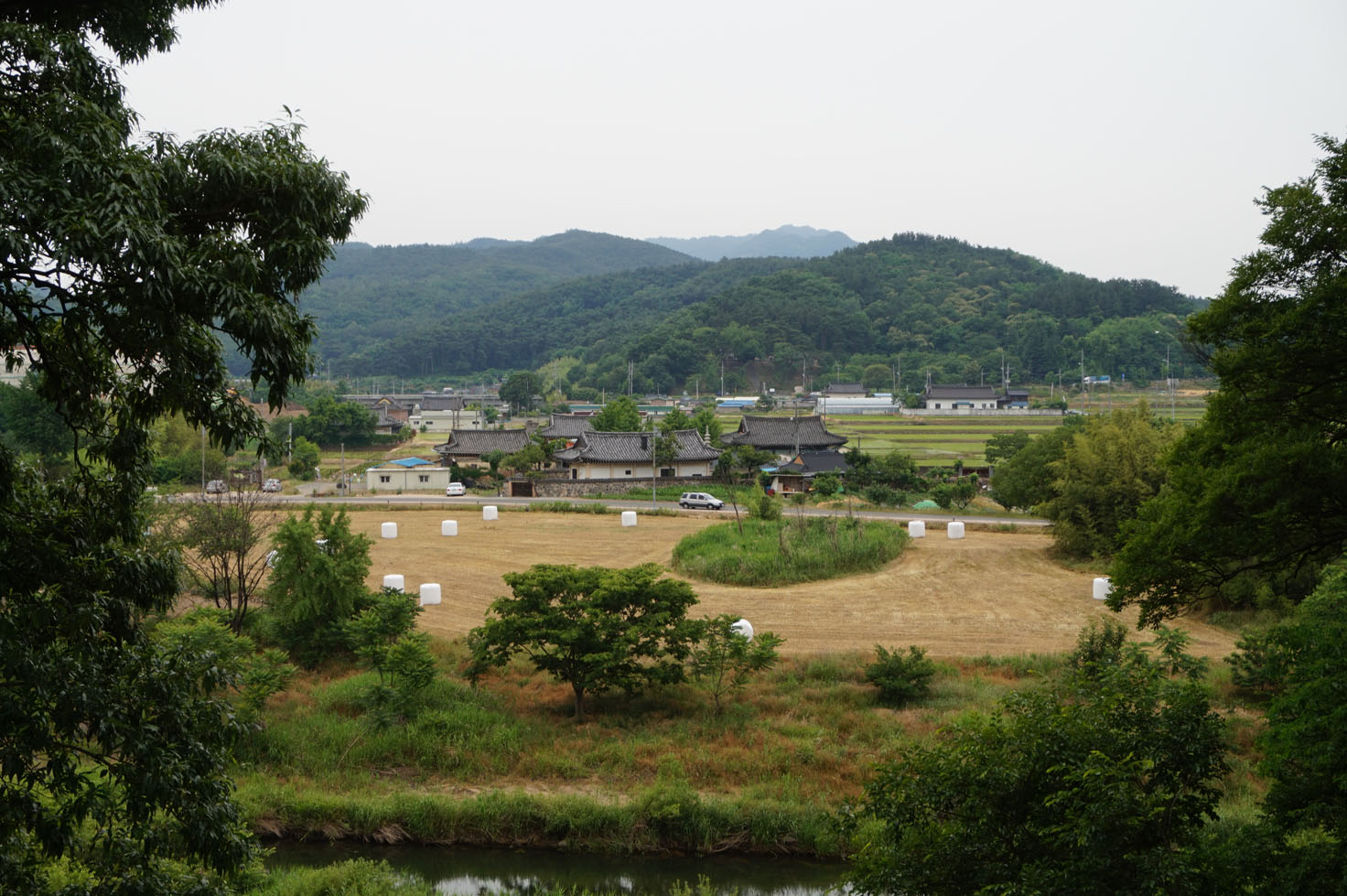
If you are into vernacular architecture, you’ll love Yangdong Folk Village, 12 miles (20 km) north of Gyeongju. It offers an insight into traditional Korean life. This aristocratic village from the Joseon Dynasty (15th Century) and the Hahoe Folk Village are the only Korean settlements included in UNESCO’s World Heritage List.
Apart from the architecture, it preserves local folk customs and displays old social hierarchies. While wealthier homes covered with tiles are on the higher ground, lower-class homes with thatched roofs are on the lower ground. The gorgeous natural setting completes the feast.
Day 3
Bulguksa Temple and Seokguram Grotto
Another good thing about visiting Gyeongju is that it’s close to the magnificent Bulguksa Temple. The main temple of the Jogye Order homes seven national treasures and is one of Korea’s most important temples. While you are here don’t forget to visit the nearby Seokguram Grotto, which houses some of the most impressive Buddhist sculptures in the world.
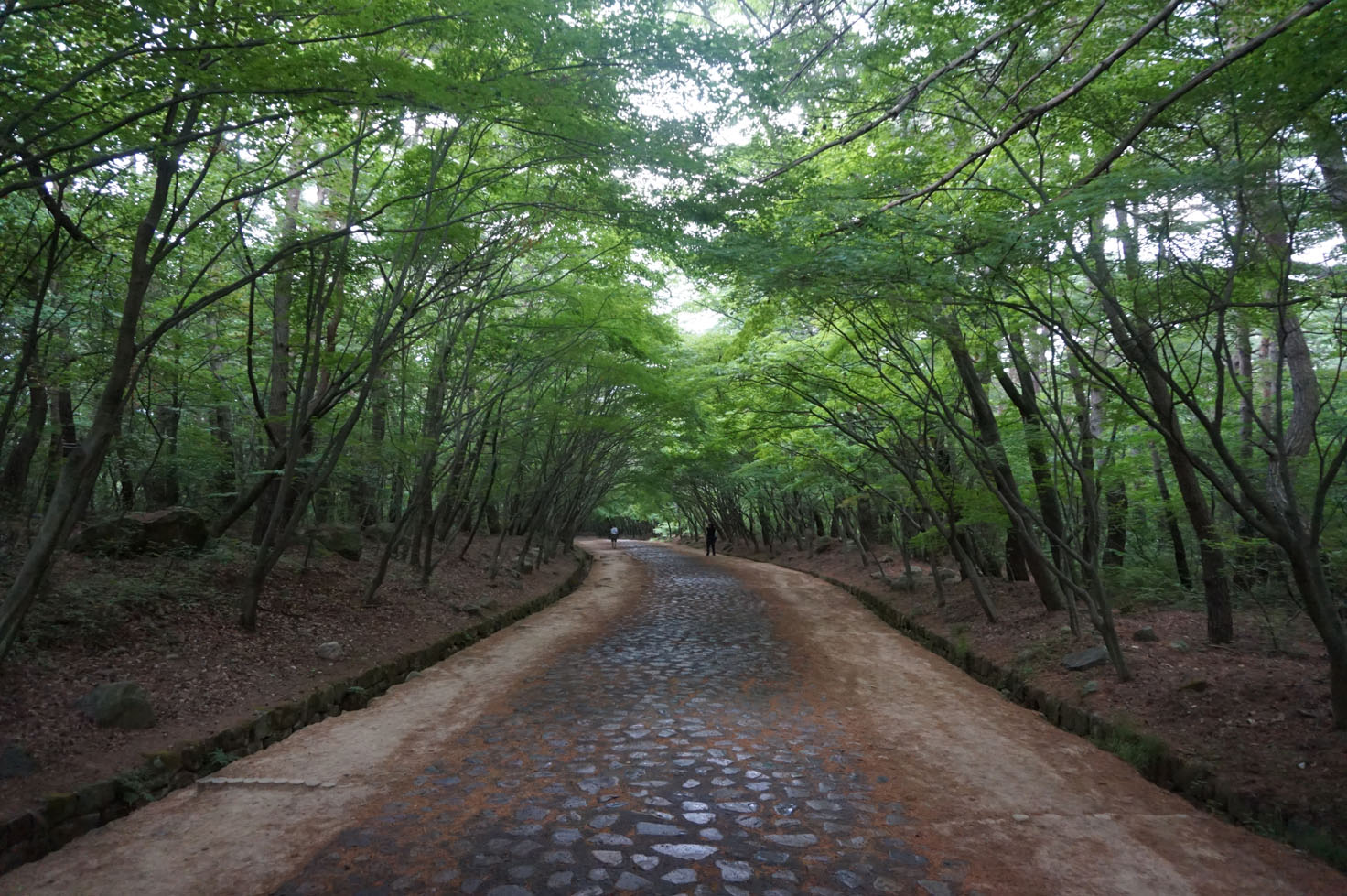
To us, it was kind of disappointing, as you can only see them from afar through a thick glass wall (that supposedly protects it). Nevertheless, the path through the forest is absolutely amazing and you get to see many squirrels.

Gyeongju’s Beach
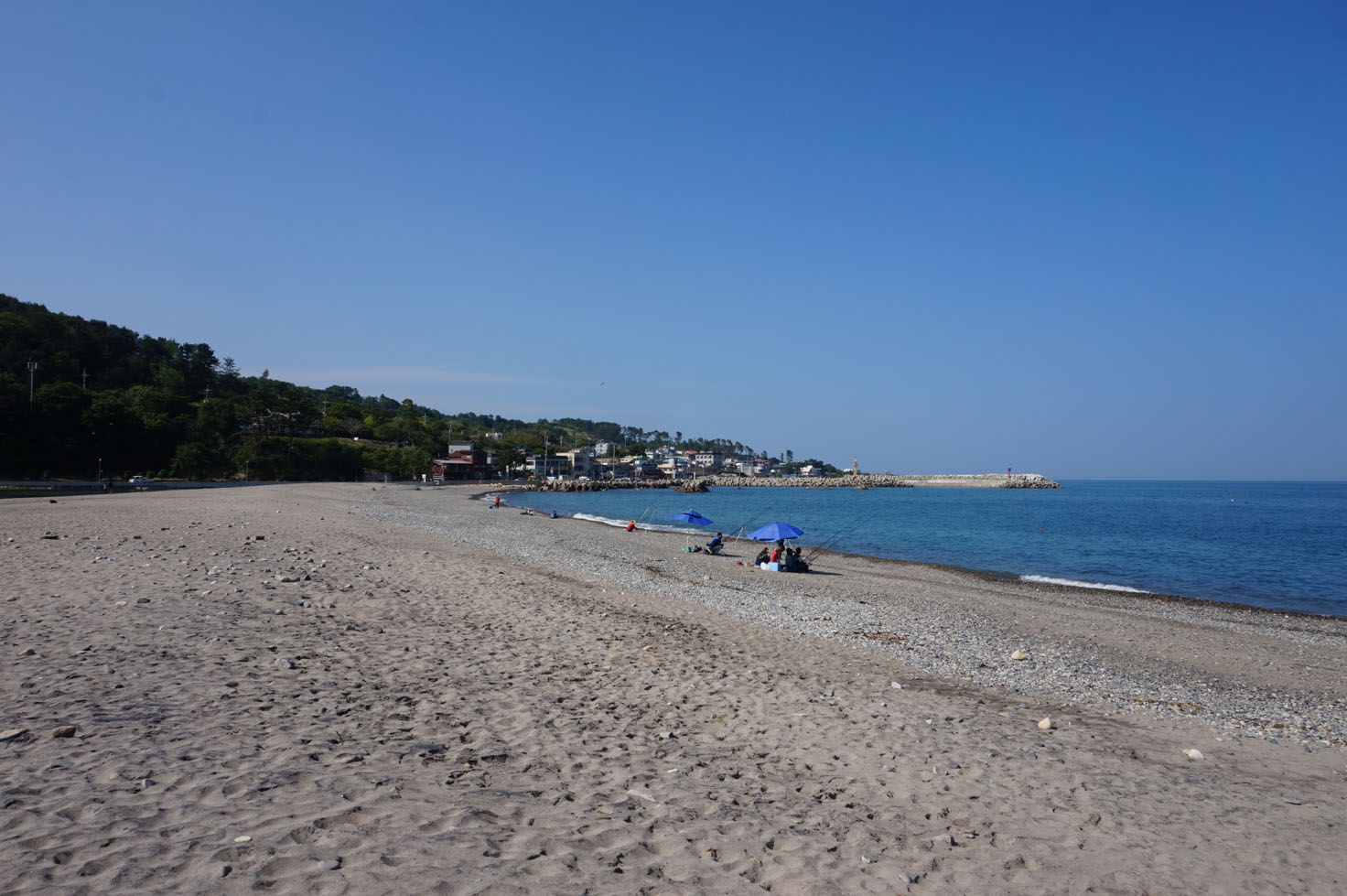
If you are into completely off the beaten track destinations, Gyeongju is your place. We wanted to see what a real Korean beach looks like. Thus, we went to Bonggil Daewangam Beach. Our expectations weren’t high, but it turned out to be a perfect day. The beach is pretty nice, with locals selling fish and cooking it just in front of you.
The Gyeongju National Park surrounds the beach. The underwater tomb of Korean King Munmu of Silla is right in front of the beach. Locals don’t speak English, but lucky for us a Korean-American helped us choose the right food. Delicious!
Moving Around Gyeongju
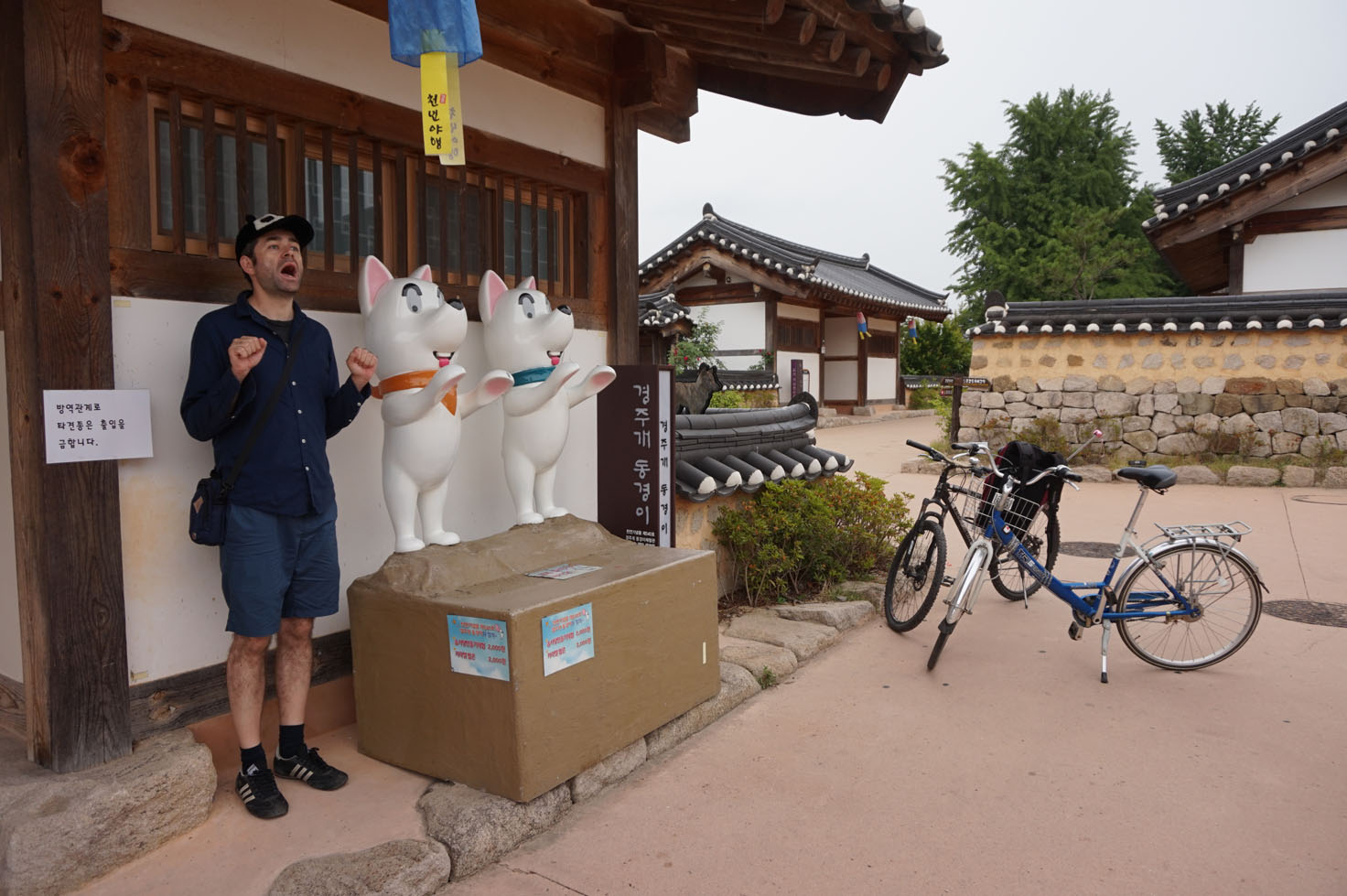
You can drive to Gyeongju, park in your hotel, and explore the area with your car. Since we don’t drive, we moved around walking, biking, and with public transportation. The area is completely safe and properly organized. Two bus lines tour around most attractions. We are talking about lines 10 and 11.
Both buses leave from the intercity bus station and the express terminal and take you to most attractions. There are buses to other areas too. You can stop whenever you like and take the next bus. There are bike rental shops everywhere in the city. Don’t rush, and enjoy the beauty of the area.
Gyeongju, the Real Korea
Without a doubt, Gyeongju should be on any itinerary around South Korea. We will never forget the warmth of its people, landscape, coffee, and delicious cakes. Special thanks go to our host at the pension for driving us to the nearest bus stop! If South Korea is on your list, be sure to visit its countryside.
Though Seoul is nice, in Gyeongju you get to experience easy-going Korea. Insider’s tip: getting around the UNESCO World Heritage Sites and other interesting places can be tricky. Therefore, I prepared the map below. I hope it comes handy. You can also visit the tourist info at the train station. Their maps are cool!


Leave a Reply