


If you read world architecture magazines, you are probably aware of current trends, topics, and architectural hotspots. What seems a bit harder to learn is about the plethora of lesser-known, yet equally interesting buildings, spread throughout the corners of our planet. For some reason, it appears that the mainstream media doesn’t talk about these often.
Since I have the privilege of traveling, I am constantly learning about new styles, colors, shapes, and materials firsthand. To me, good architecture is functional, fun, and handsome. Likewise, it must reflect its time and dialogue with its environment. I was surprised to find some of the best architecture in the world in places out of the spotlight. This blog is about these fascinating places!
Traveling Architect
I still remember walking along Belgrade’s main street holding my grandmothers’ hand and watching life go by. At one point she told me to pay attention to the beautiful façades surrounding us: “Every building tells a different story. Each shows the enormous effort made by its creators”. I was 12 and though I didn’t really understand what she was saying, I knew someday I would become an architect.
After graduating as an Architect and Urban Planner from the University of Belgrade, I worked for different offices both in Belgrade and Barcelona. However, I got tired of spending 8 hours a day staring at a screen and drawing faceless projects. I only felt alive when traveling! Therefore, a few years ago I decided to merge my two biggest passions, Architecture and Travel. I became a traveling architect and Happy Frog Travels was born.

Architecture and Travel
Here we’ll explore architecture and travel from a personal point of view. Our aim is to translate what you get from a building or a specific architectural style. Likewise, we’ll dwell on how current societies dialogue with their buildings. How they affect and shape each other. In this section together we’ll discuss about interesting countries, fantastic cities, and unique buildings in the world.
We’ll be focusing on the best cities for architecture, as there is considerably more of it in urban areas than in the countryside. If you’re a fan of modern architecture, you’ll find some interesting articles among these pages. On the other hand, if your thing is historical architecture, we invite you to travel back in time with us. Since this is an ongoing project, we’ll be happy to discuss any new possible topics. Let us know what you think!
Countries With the Best Architecture
Regarding architecture, I believe some countries deserve a special mention. Again, we are referring to the less famous ones. Who would have thought that Georgia is one of the countries with the best architecture in the entire world? It may sound like an overstatement, but I’m sure you will agree with us as soon as you visit this extraordinary country.
Another marvelous surprise comes from the world’s most populous country. Indeed, people rightly talk about Japan and South Korea, but what about China? I couldn’t believe how incredible its cities are. They host everything, from ancient neighborhoods to super cool futuristic buildings.

Georgia
Georgian architecture is incredibly diverse, with a distinctive architectural identity. The country was strongly influenced by Persia, Russia, and the Ottoman Empire. Georgia offers everything from ancient stone towers and monasteries to fortresses, traditional houses, Art Nouveau, Soviet, and ultra-modern buildings. The best places to explore its architecture are Tbilisi and Batumi.

Greece
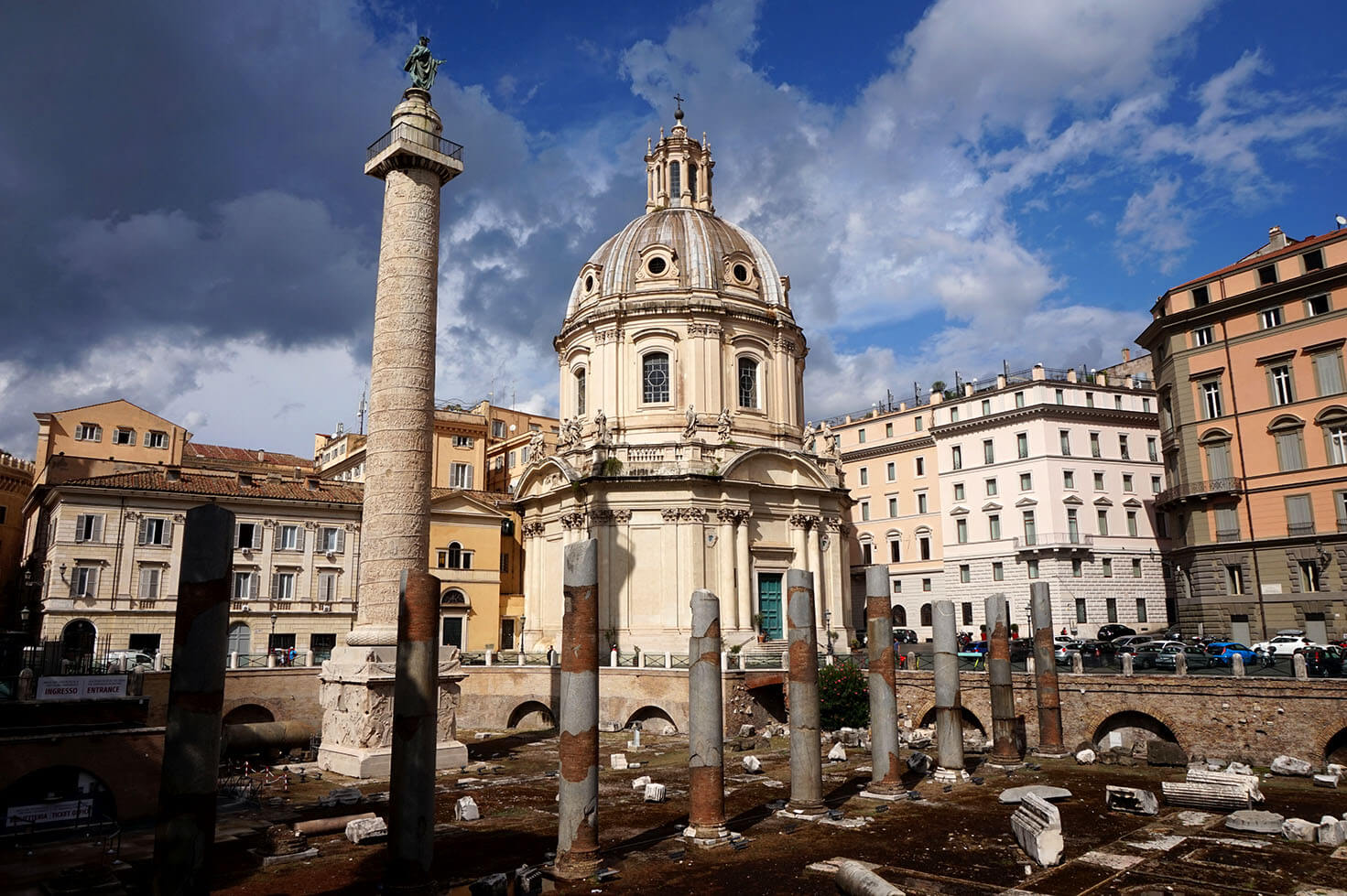
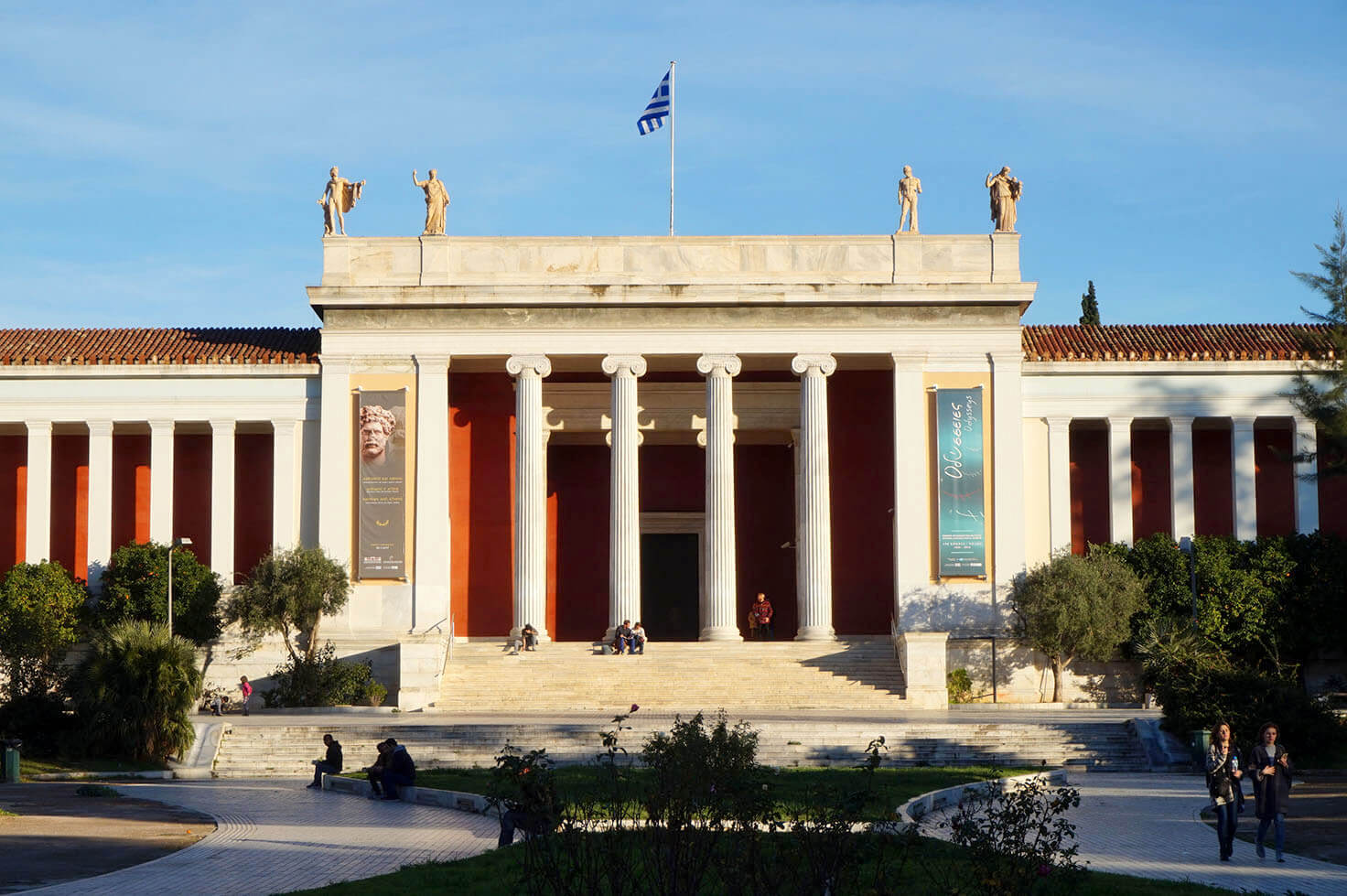
Greece is famous for its classical architecture, which influenced the whole planet. But Greek architecture is so much more. Romans, Byzantines, Venetians, and Ottomans all left their mark on the country’s cultural heritage. Neoclassical, modern, and contemporary architecture came after independence. The impressive vernacular architecture completes the feast.
Vernacular Architecture Around the World
The term vernacular architecture generally refers to traditional architecture built without the help of architects. Though we all know what countryside houses around us look like, there are some truly unique examples in other parts of the planet. Again, some examples are more attractive than others.
For a short time, I worked on a project to preserve traditional villages in Eastern Serbia. Then I went to Syria and was blown away by the egg-shaped houses that adorn its dessert towns. It’s interesting to see just how sustainable these old dwellings are.

Syrian Beehive Houses
I am a big fan of unique vernacular architecture. In 2014, I spent some time exploring the beehive houses in northern Syria. These round, dome-shaped houses, built from adobe, mud, and straw, are perfectly adapted to the harsh desert climate.

White Towns of Andalusia
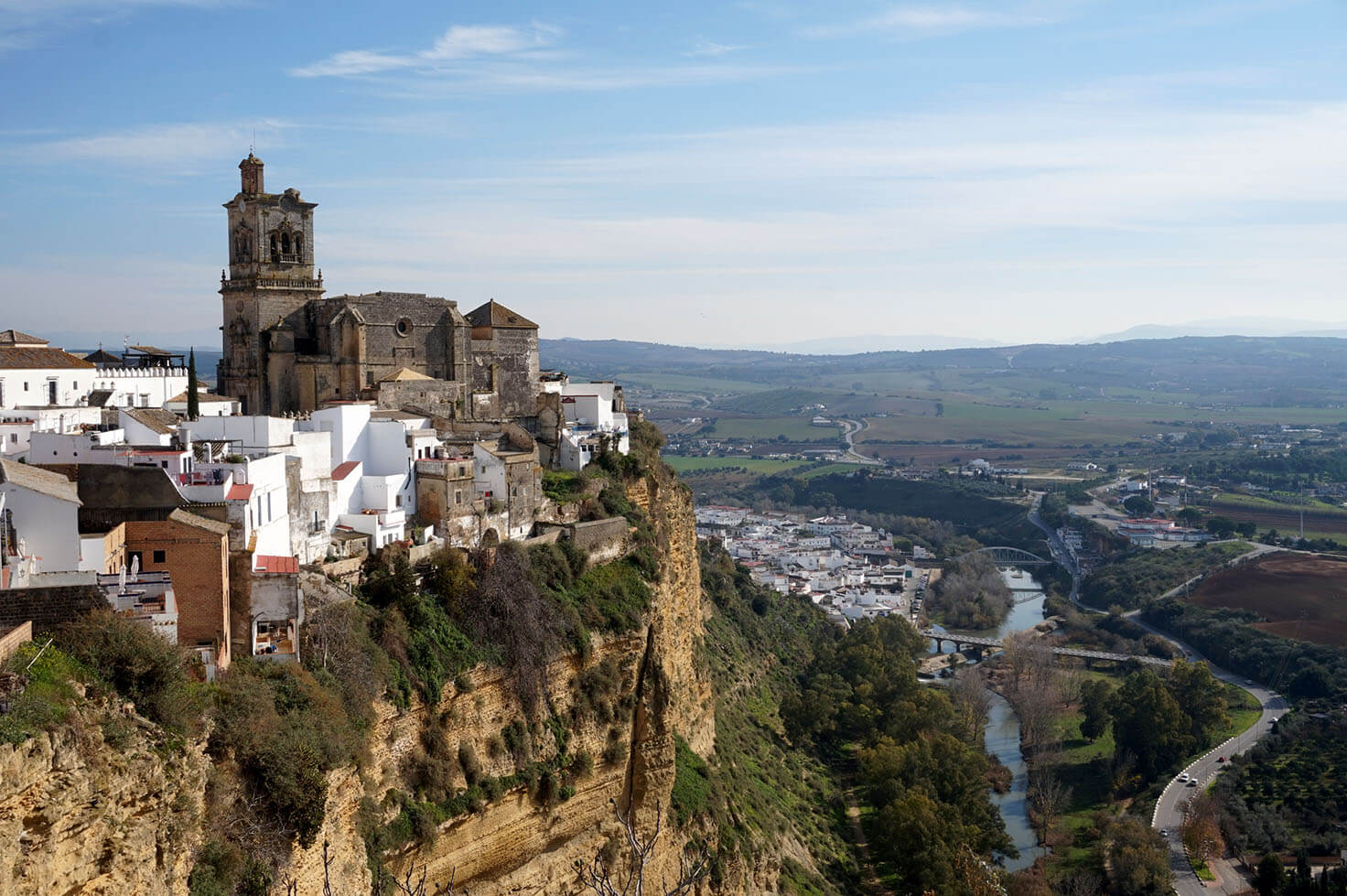
A few years ago, I finally visited the white towns of Andalusia on a road trip from Seville. Each village and town seemed to have its own distinct charm and beauty. Their houses have been painted white since Roman times to keep them cool, and later as protection against the plague.
Architecture of the Cyclades
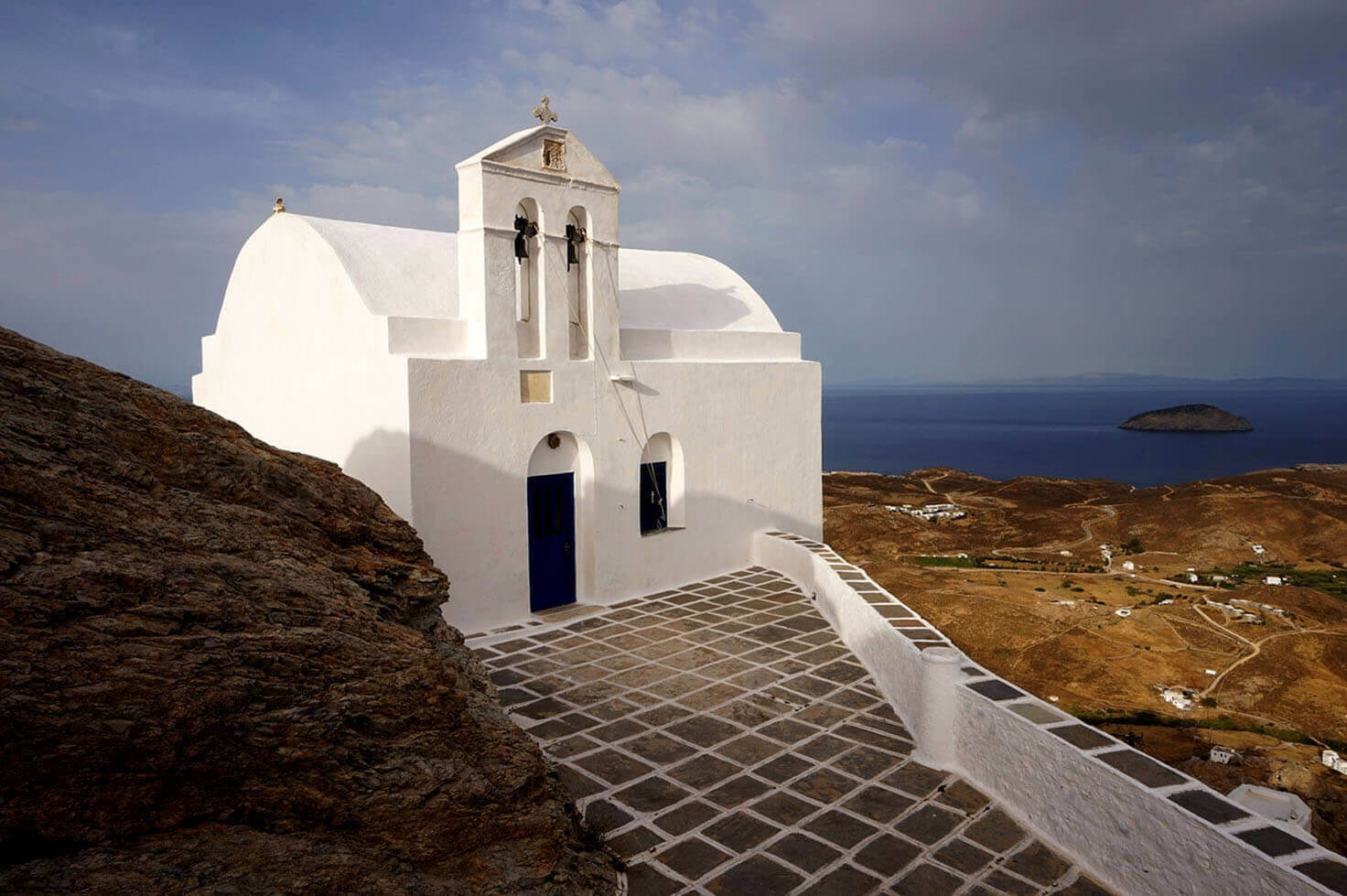
The Cycladic Islands are instantly recognizable for their rugged landscapes and whitewashed villages. Traditional houses are typically cubic, with thick walls, small windows, and flat roofs designed to collect rainwater. Their white limewashed surfaces reflect sunlight and help keep interiors cool while also serving as a natural disinfectant.
Cappadocia’s Unique Architecture
Cappadocia’s extraordinary landscape has been inhabited for millennia. Successive civilizations, from the Hittites to the Turks, left their mark on the region. Its architectural heritage includes underground cities, hermit cells, rock-cut churches, castles, mosques, hammams, and traditional homes carved into the soft volcanic rock.

Fujian Tulou
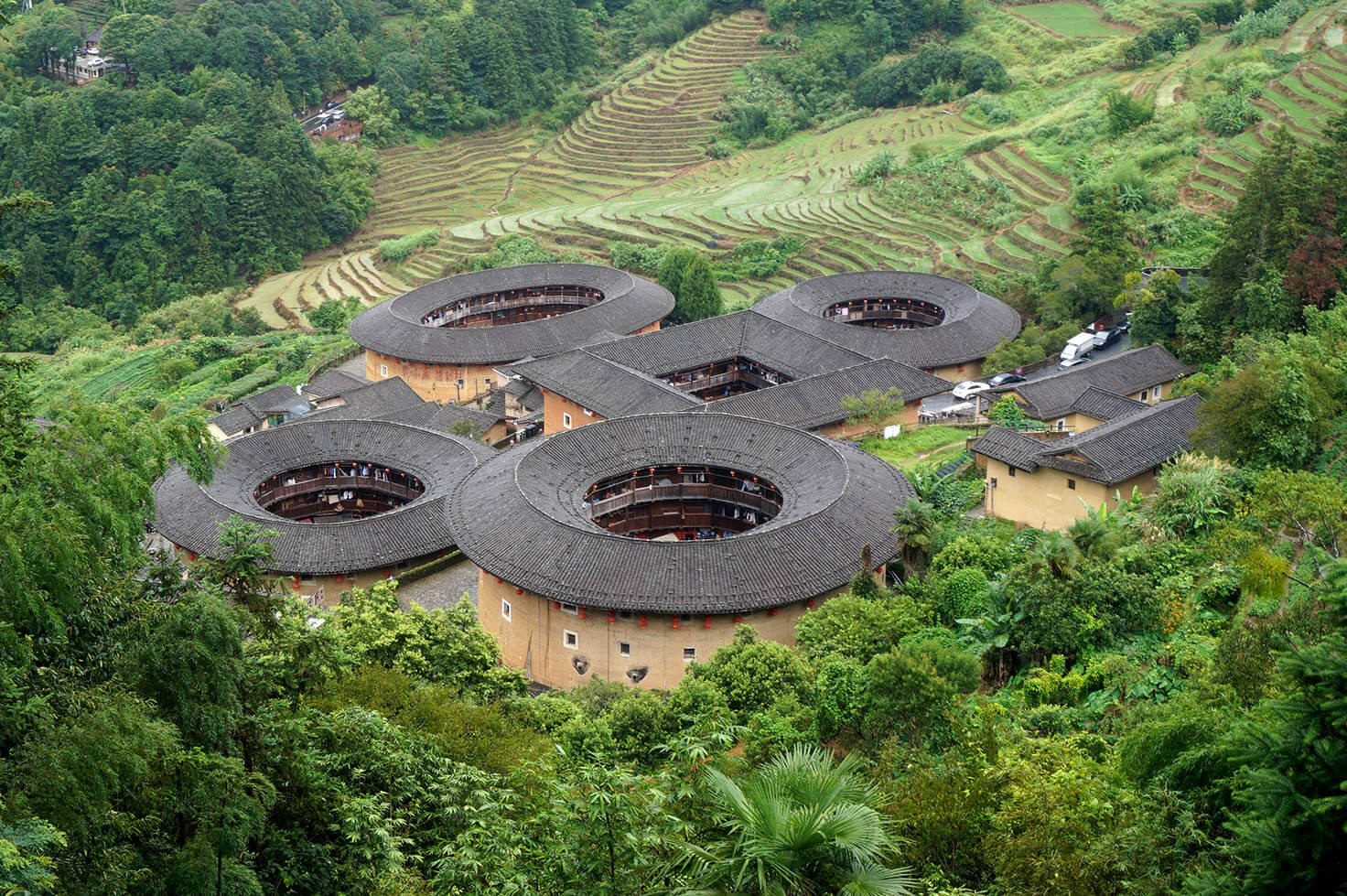
China’s most impressive examples of vernacular architecture can be found in the south. I am talking about the iconic Fujian Tulou. These structures have existed in Fujian and neighboring provinces since the 12th century. They are circular, square, or oval dwellings surrounding large courtyards, built from earth, clay, and stone.
Heritage Cities Around the World
What we are told as kids conditions us forever. That’s why most people consider European cities beautiful. I won’t argue about that. However, travel around Europe for a while, and cities start to look alike. We focus on lesser-known heritage cities around the world: from Southeast Asia to Russia.
Due to unique historical circumstances, these cities bear a distinct mark. On the other hand, some cities across Europe share an unusual past. Such is the case of the cities of the so-called Hanseatic League. For some unknown reason, almost nobody talks about them.

Heritage Cities of Southeast Asia
Before traveling to Southeast Asia, I wasn’t sure whether there was much heritage beyond sites like Angkor Wat and Borobudur. What I discovered was that several cities have rich historic architecture from colonial times. They blend French, British, Dutch, or Spanish legacies with Chinese and Japanese influences.

Cities of the Hanseatic League
During my travels across Central and Northern Europe, I noticed that many cities looked alike. I am referring to the red brick buildings with steep roofs and crow-stepped gables found in cities across Germany, the Netherlands, Poland, Belgium, and the Baltic states. These cities once belonged to the famous Hanseatic League, a network of trading cities that flourished along the Baltic coast.

Golden Ring of Russia
The Golden Ring of Russia is one of my most exciting discoveries. This group of historic towns northeast of Moscow hosts a rich medieval heritage, including churches, monasteries, and kremlins. The official list includes eight different cities, and my favorites are four of them.

Ancient Chinese Cities and Towns
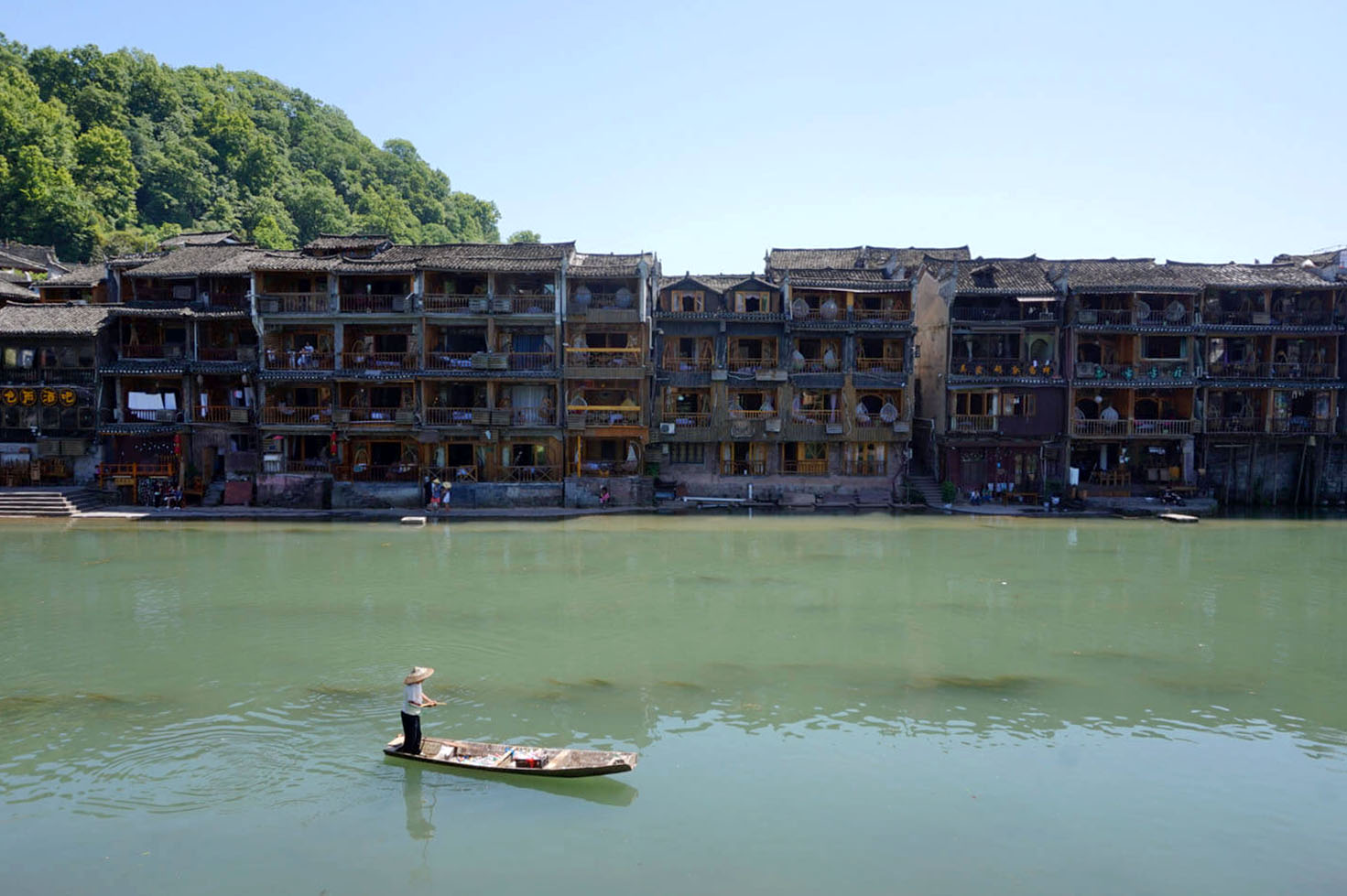
When you think of China, its landscapes and cities like Beijing and Shanghai come to mind. However, its ancient towns are equally impressive. Many date back to the Ming and Qing dynasties, and most can be found in Zhejiang and Jiangsu provinces. Lijiang, Pingyao, and the Fujian Tulou are UNESCO-listed sites.
Heritage Cities and Towns in the Balkans
Most European cities were carefully rebuilt after each war, which is why they are rich in historic architecture. In contrast, in the Balkan Peninsula, which was once part of the Ottoman Empire, civil heritage was not highly valued. That said, some cities still preserve beautiful examples of Ottoman architecture.

Old Temples
For centuries, the most impressive architecture consisted almost exclusively of religious buildings. Across every continent, churches, mosques, synagogues, and Buddhist and Hindu temples were erected to impress and to showcase power and wealth.
Unlike modern temples, historical ones faithfully represent the period in which they were built. In almost every country I have visited, I made sure to tour some of its finest temples. That way, I could gain a deeper understanding of the local culture.

Serbian Orthodox Monasteries
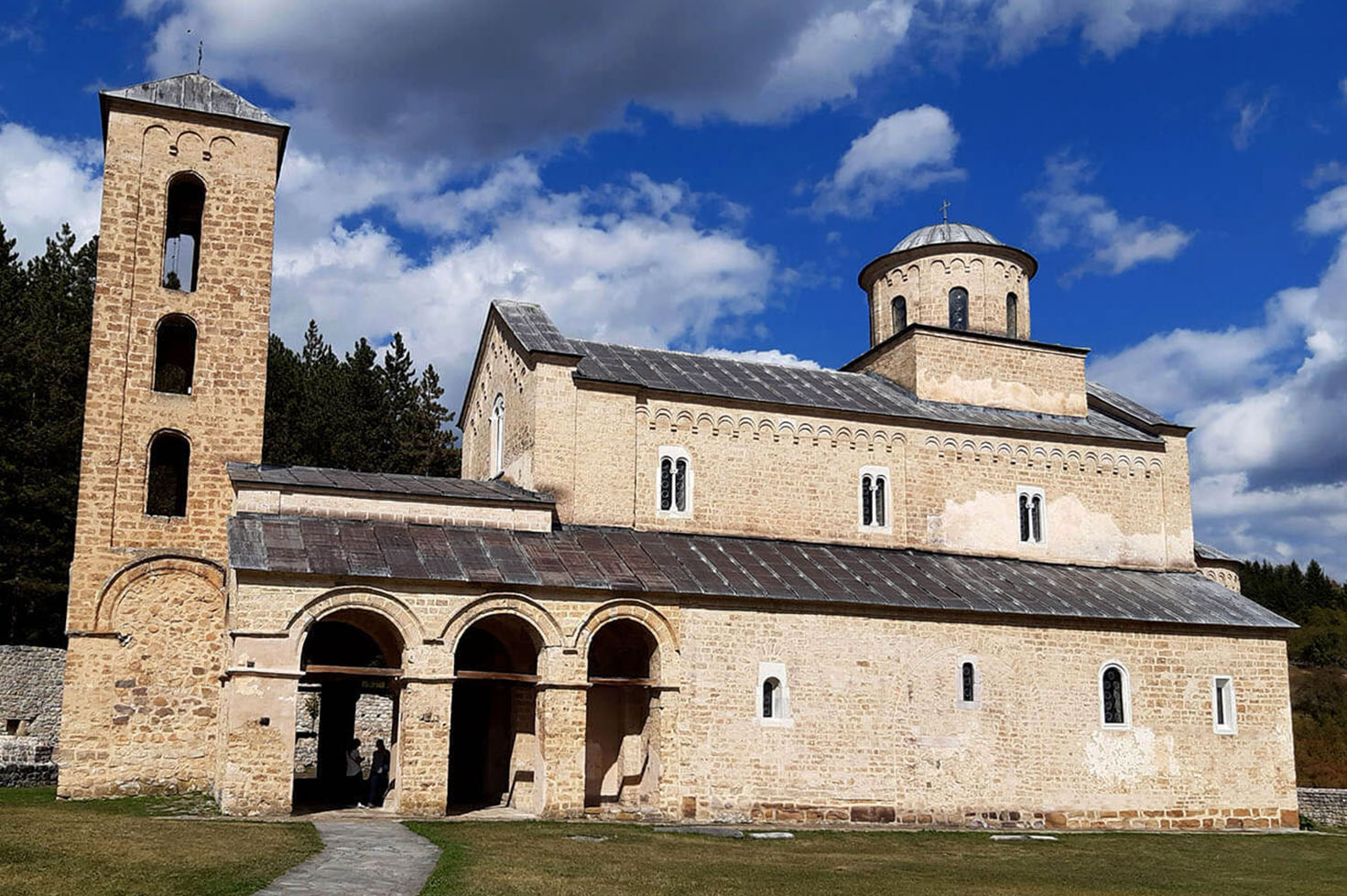
Serbia became a Christian country in the 9th century and remained so even under the Ottoman Empire. Monasteries played a key role in preserving national culture. Originally, they were inspired by Romanesque architecture, and later built under Byzantine influence. By the 14th–15th centuries, the distinct Morava School had emerged.
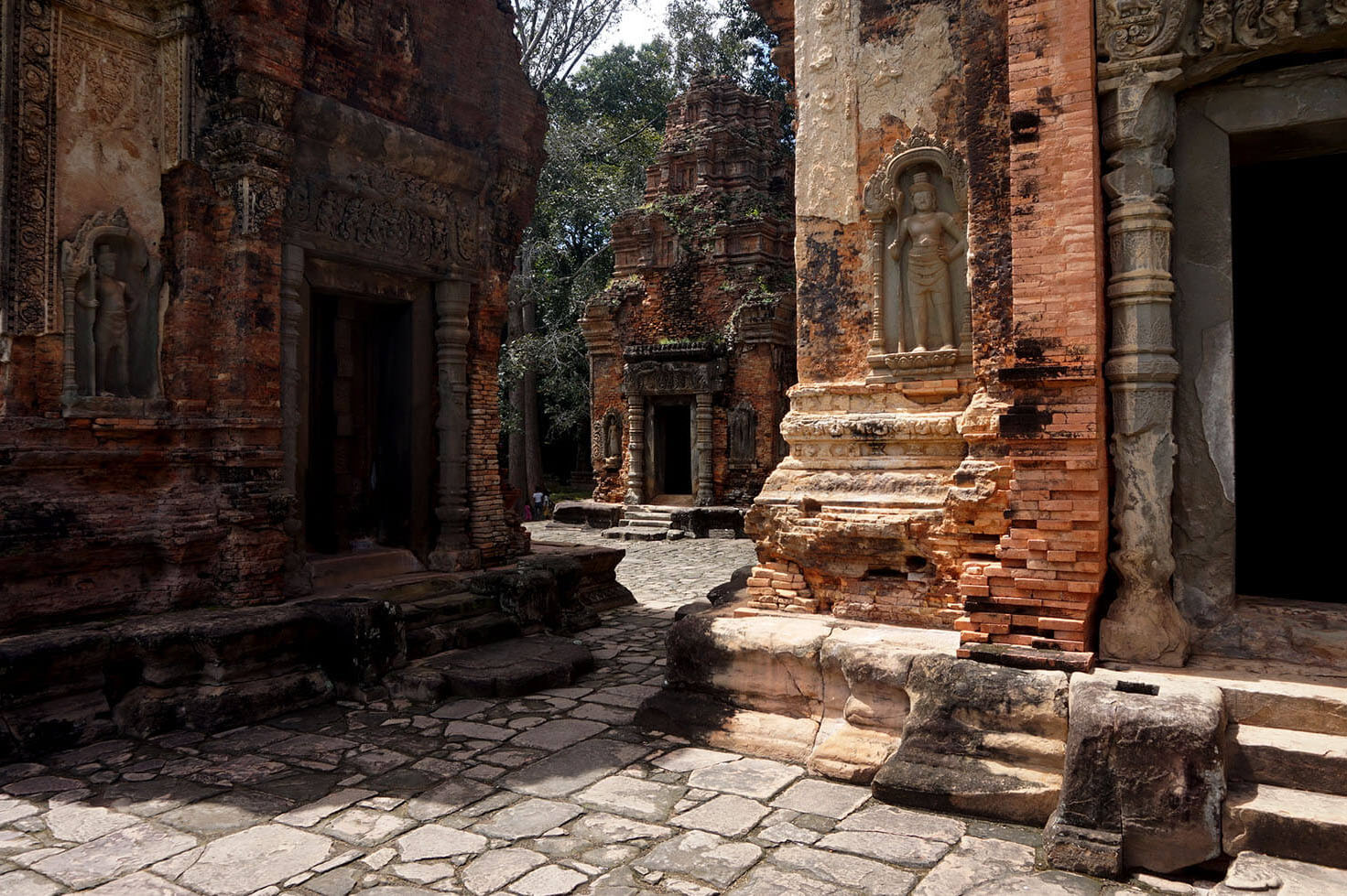
Ancient Cambodian Temples
Angkor Wat, the largest temple complex in the world, is Cambodia’s main attraction. However, many lesser-known temples across the country are equally impressive. Built between the 9th and 15th centuries by the Khmer Empire, they blend perfectly with their natural surroundings.
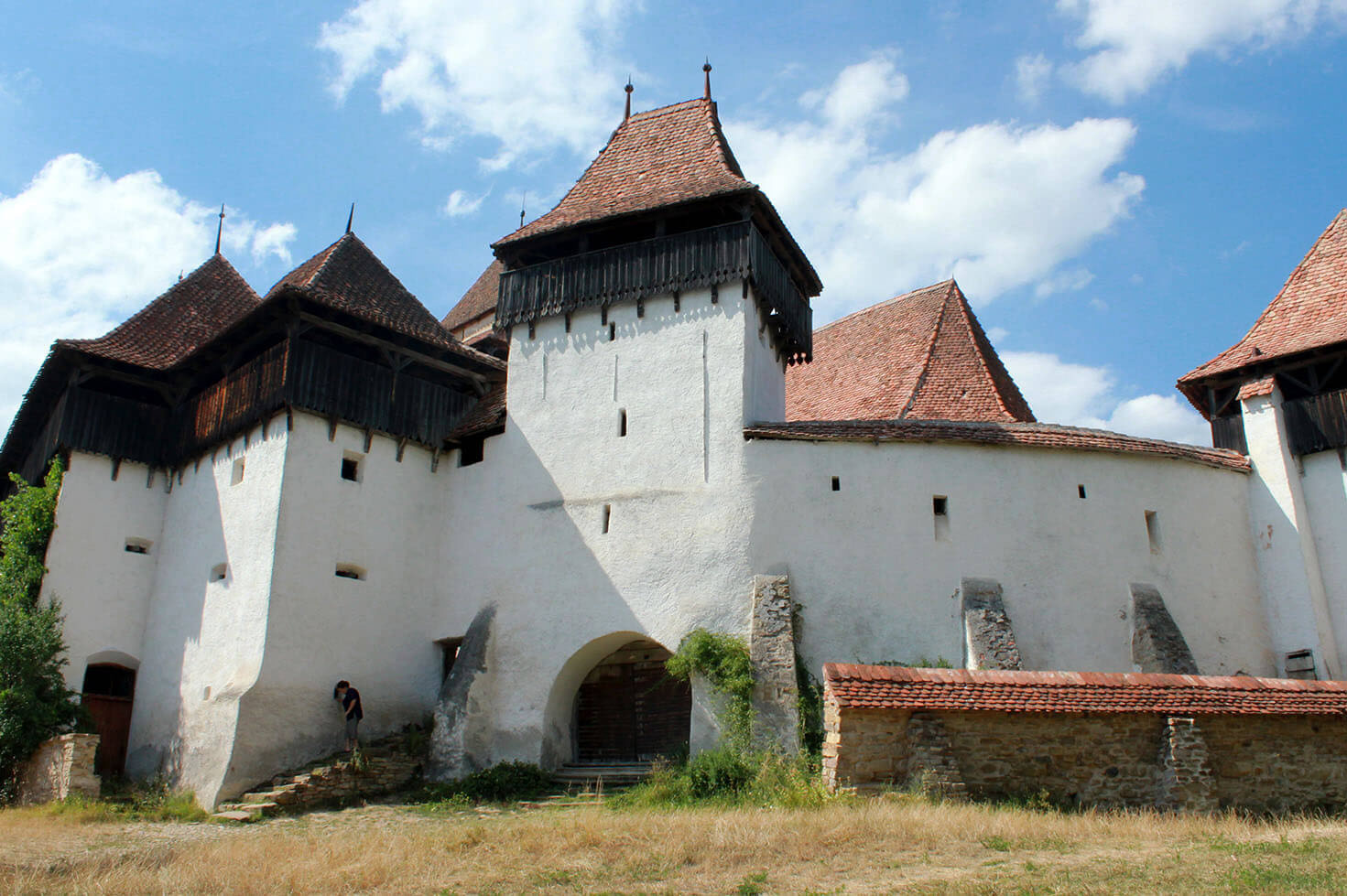
Fortified Churches of Transylvania
A few years ago, I hitchhiked across Transylvania in search of its fortified churches. Many of them are tucked away in remote villages. Built by Saxons who were settled here by Hungarian kings in the 12th century, these churches defended the region against the Ottomans and Tatars. About half of the original 300 still survive today.
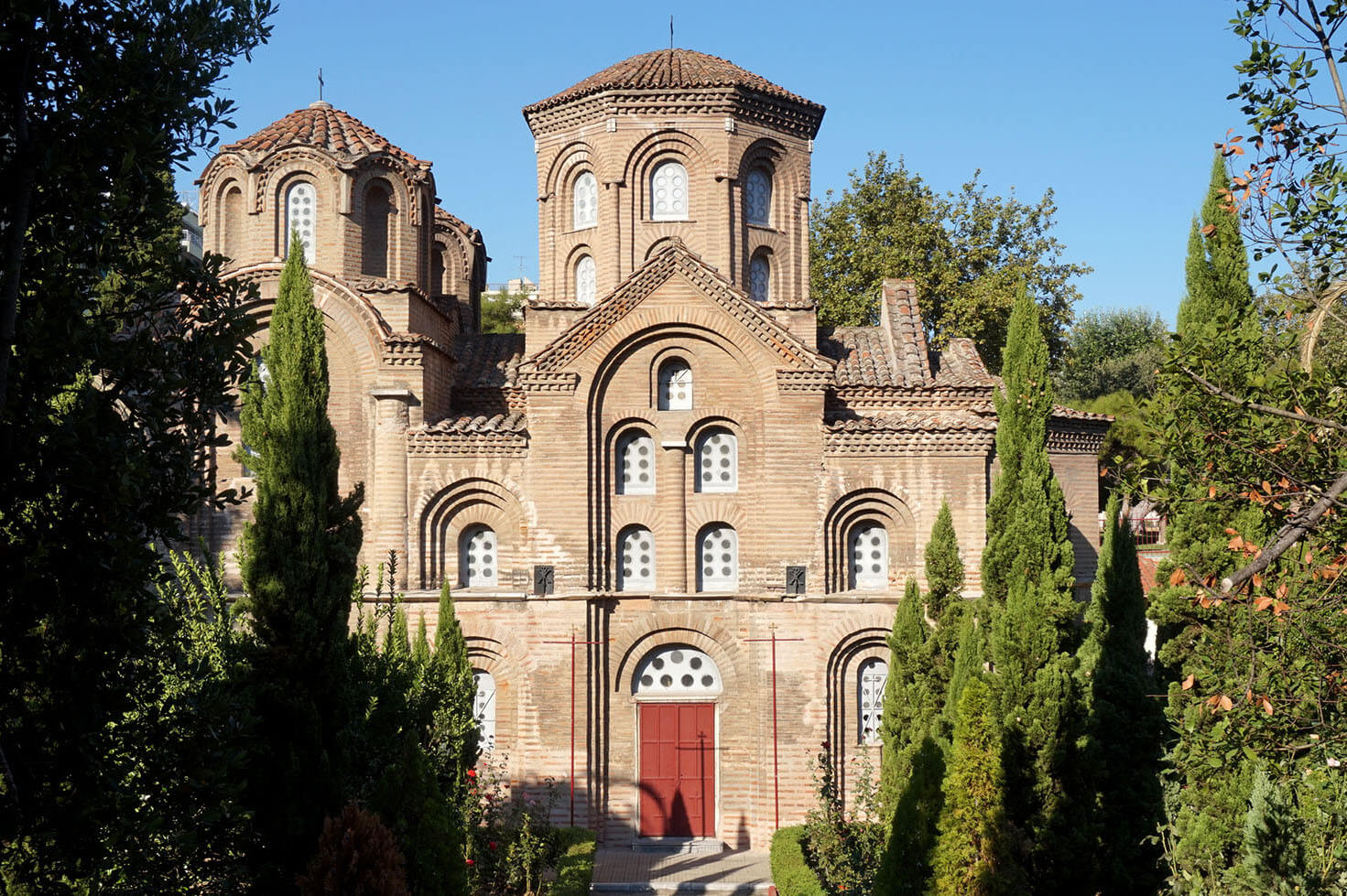
Byzantine Churches of Thessaloniki
Any visit to Thessaloniki must include its remarkable Byzantine churches. Once the second city of the Byzantine Empire after Constantinople, it showcases extraordinary heritage. Thirteen churches, along with the city walls and a bathhouse, dating from the 4th to the 14th centuries, are part of a UNESCO World Heritage Site.
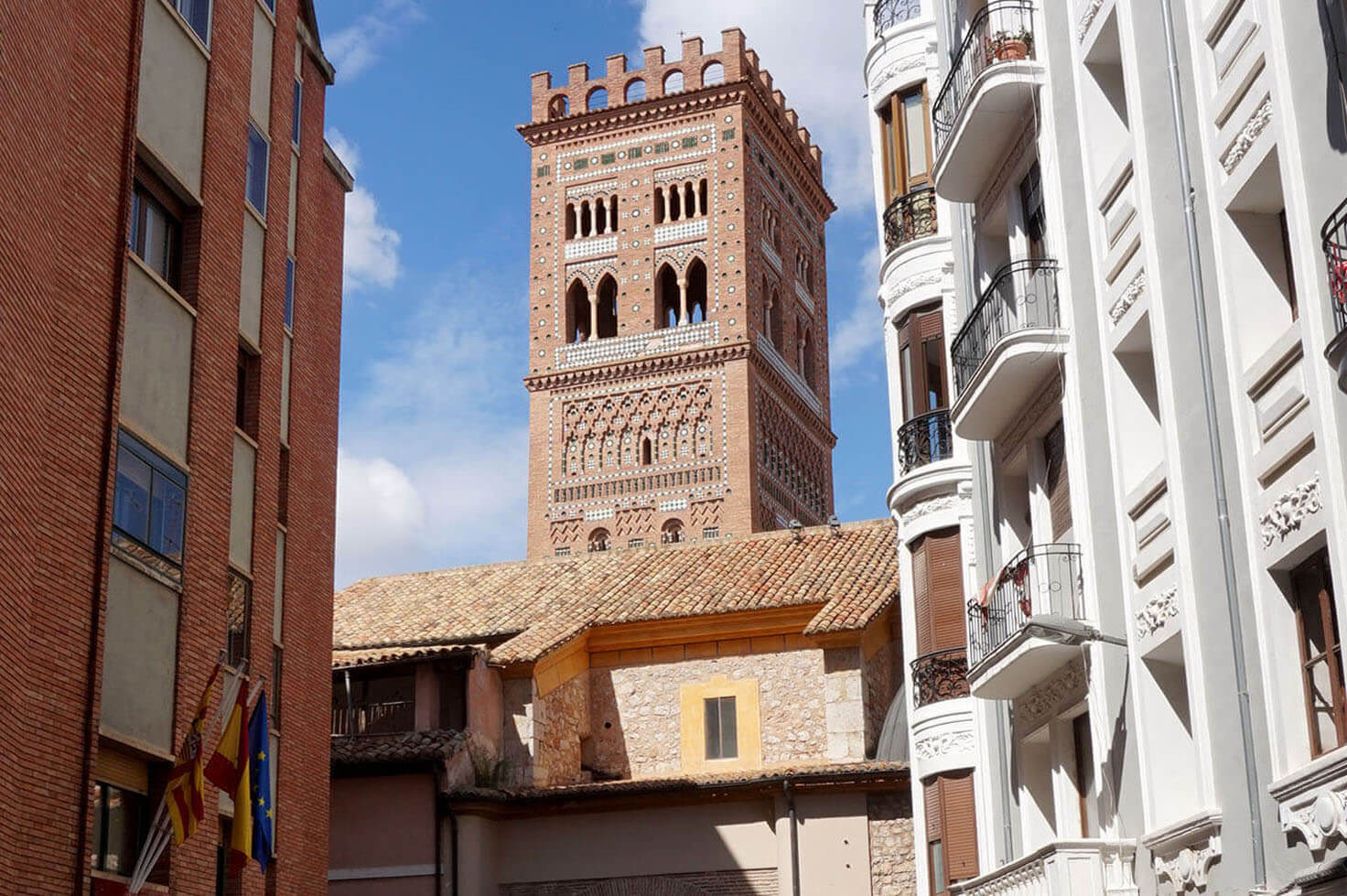
Mudéjar Architecture of Aragon
Mudéjar architecture emerged in 12th-century Spain. It is a distinct style that blends Gothic and Romanesque structures with Islamic decoration. Some of its best examples can be found in the autonomous community of Aragon. Churches built in this style feature tall towers adorned with intricate geometric patterns, brickwork, and glazed ceramics.
Planned Cities
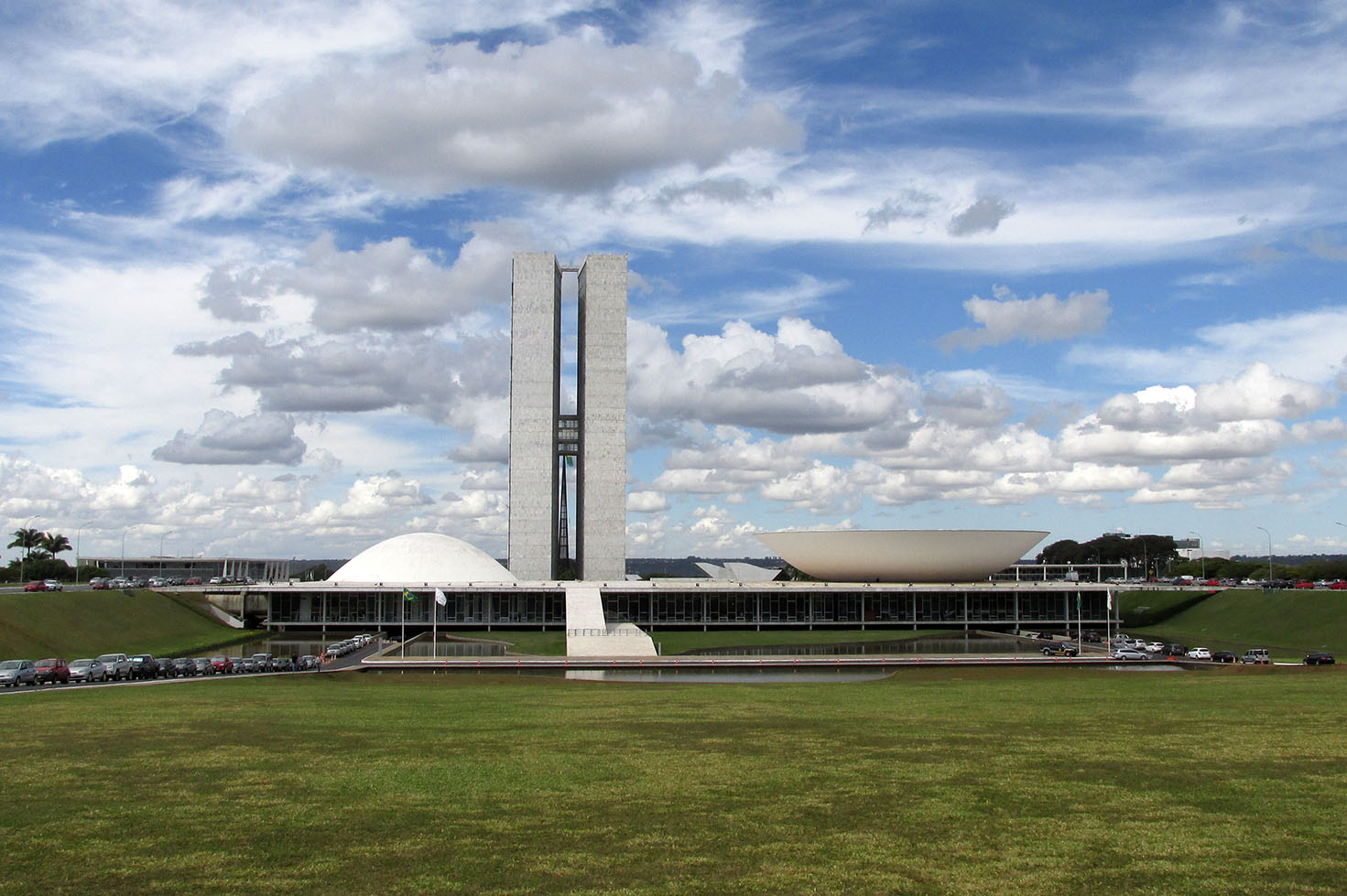
Large scale construction and urban planning marked the 20th Century. It was also the century of big geopolitical changes. Several countries around the world moved their capitals to populate remote areas. Thus, governments built new capitals from scratch. Other capitals got a brand-new extension.
People at the time praised the daring planning. However, nowadays we know how successful they’ve become. Brasilia, for instance, is rightly considered one of the best planned cities in the world. Nevertheless, it feels more like a bunch of suburbs brought together. That said, it hosts some astonishing examples of modern architecture.

Architecture of Brasília
Brasília is one of the best examples of a 20th-century planned city. Designed by Lúcio Costa and Oscar Niemeyer, its cross-shaped layout is unique, and its sleek buildings are impressive. Yet somehow, the city feels empty, with spaces designed for cars rather than for people.
New Belgrade’s Open Blocks
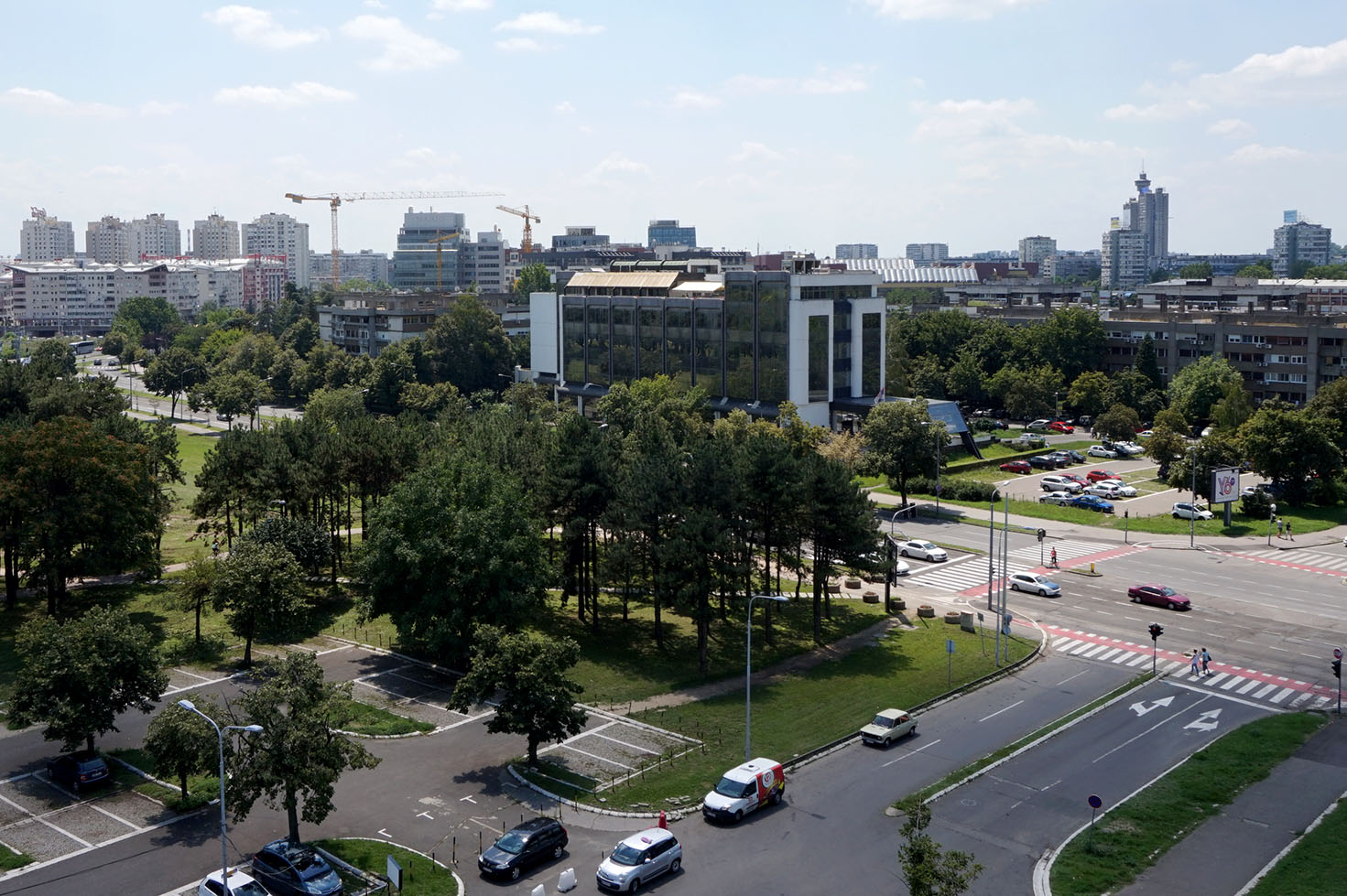
I grew up in New Belgrade, a post-war district between Belgrade and Zemun. Unlike the dense fabric of old Belgrade, it was designed with boulevards and large open blocks. Today, rapid densification is reshaping the original concept of an open city that breathes. It is the subject of my master’s thesis.
Almere, Architecture Utopia in the Heart of Netherlands
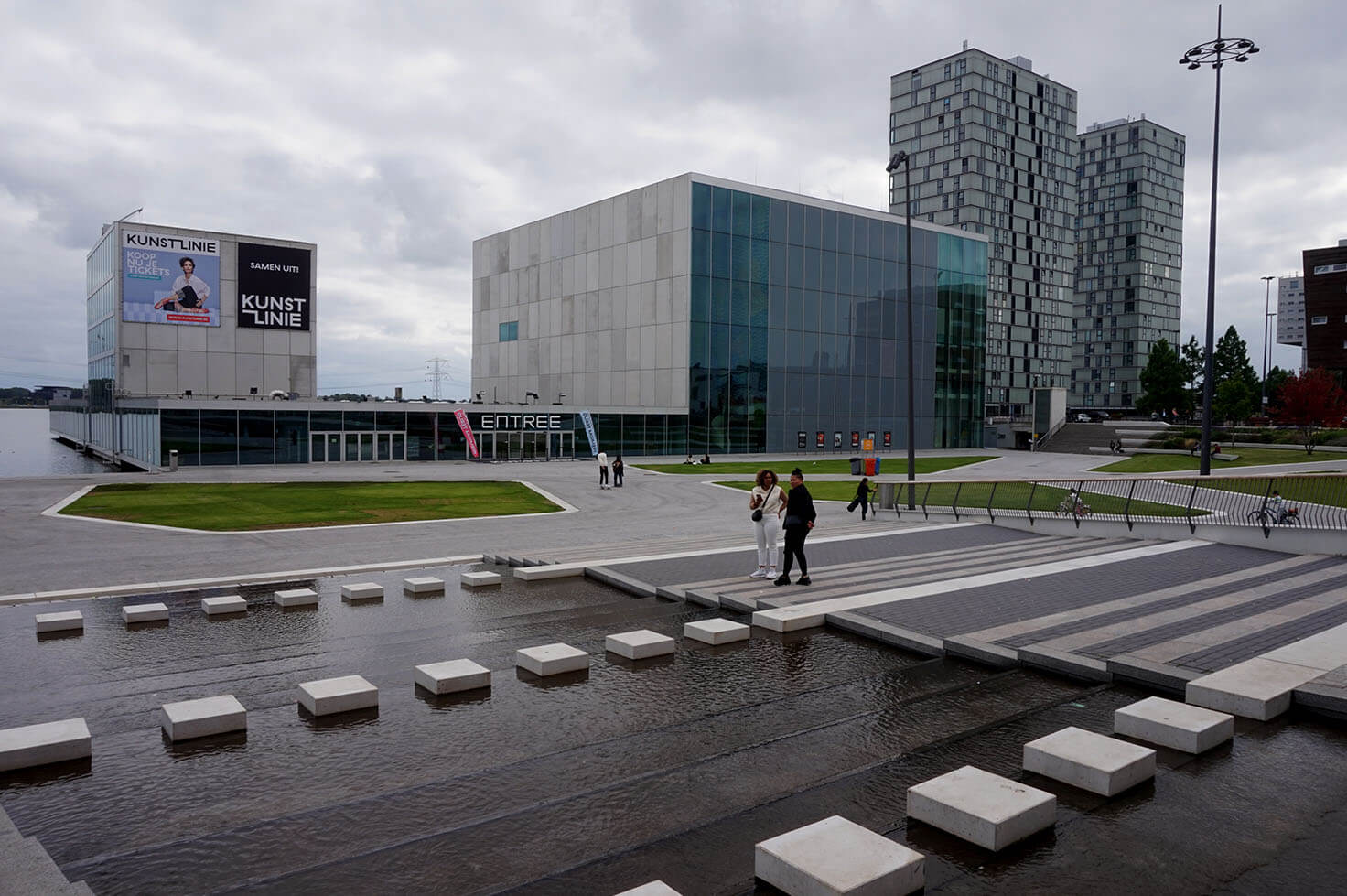
If you’re not into modern architecture, you’ve probably never heard of Almere, near Amsterdam. Built in the late 20th century, it evolved from a dormitory town into an architectural showcase. In 1994, the city even hired the renowned architect Rem Koolhaas to create a new city center.
Putrajaya, Malaysia’s New Capital
I loved Putrajaya’s orderly urban planning, abundant green spaces, and impressive civic architecture. Among its landmarks, the Putra Mosque and the Tuanku Mizan Zainal Abidin Mosque stand out. On the other side, I found the neo-Mughal architecture of the Prime Minister’s Office and the Federal Court less inspiring.

Weird Unique Cities
Modern architecture and urban planning dominated the middle of the 20th Century. However, by the turn of the century, the concept of modernity was questioned, giving birth to postmodernism. Things moved even further when extravagant architecture came into the spotlight. Some countries even decided to boost tourism through unique and weird cities.
Guided by nationalism, cities such as Skopje executed a massive overhaul. The city did attract international attention, but for the wrong reasons. It became a bad version of Disneyland. Other cities, like Batumi, experimented a bit more. What came to be is a varied and interesting city.

Skopje, Macedonia’s Bizarre Capital
Skopje has experienced one of the most unusual urban transformations I’ve ever seen. After the devastating 1963 earthquake, the city was rebuilt with a modernist vision. Decades later, the Skopje 2014 initiative reshaped its center with numerous examples of neoclassical buildings and monuments. The result is theatrical and bizarre.

Batumi’s Unique Architecture
Batumi’s story began when it developed into an important oil port in the late 19th and early 20th centuries. European architecture was dominant at that time. In recent decades, the city has reinvented itself with bold, futuristic, and sometimes extravagant buildings. The result is a fascinating mix of historic styles and experimental architecture.

Astana, the Unusual New Capital of Kazakhstan
In 1994, Kazakhstan decided to move its capital from Almaty to Astana in order to develop its central region. The new capital was designed around a grand central axis lined with monumental buildings. Its architecture is diverse, combining sleek, high-tech forms with more eclectic designs.

Chongqing’s Weird Architecture
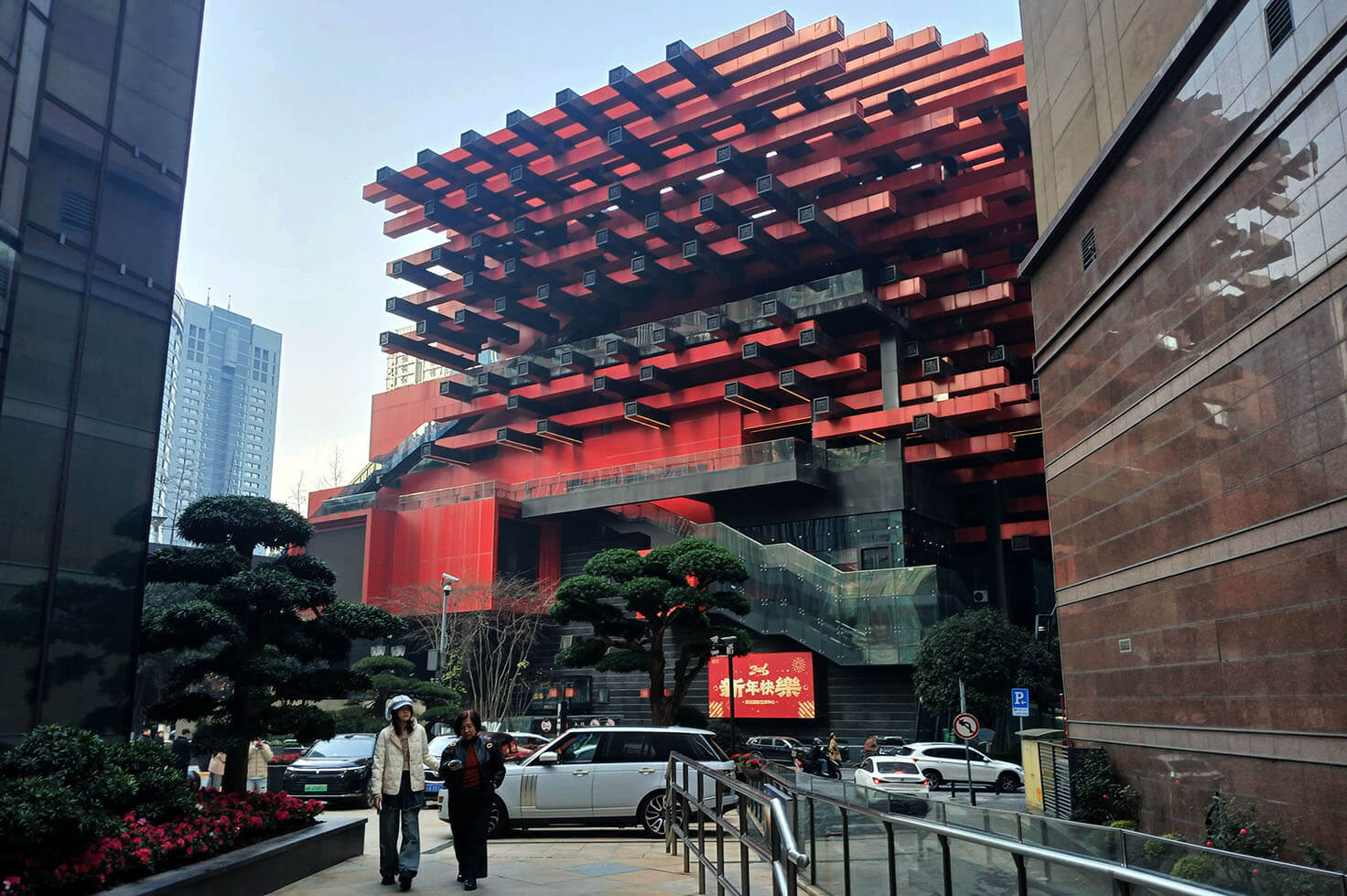
Chongqing rose to global fame after several videos showcasing its surreal urban landscape went viral. Built across steep hills and filled with high-tech architecture, the city feels remarkably futuristic. Its highlights include a shopping complex inspired by a former slum, a square built on top of a skyscraper, and even a metro station inside a residential tower.
Colorful Architecture of Kaohsiung
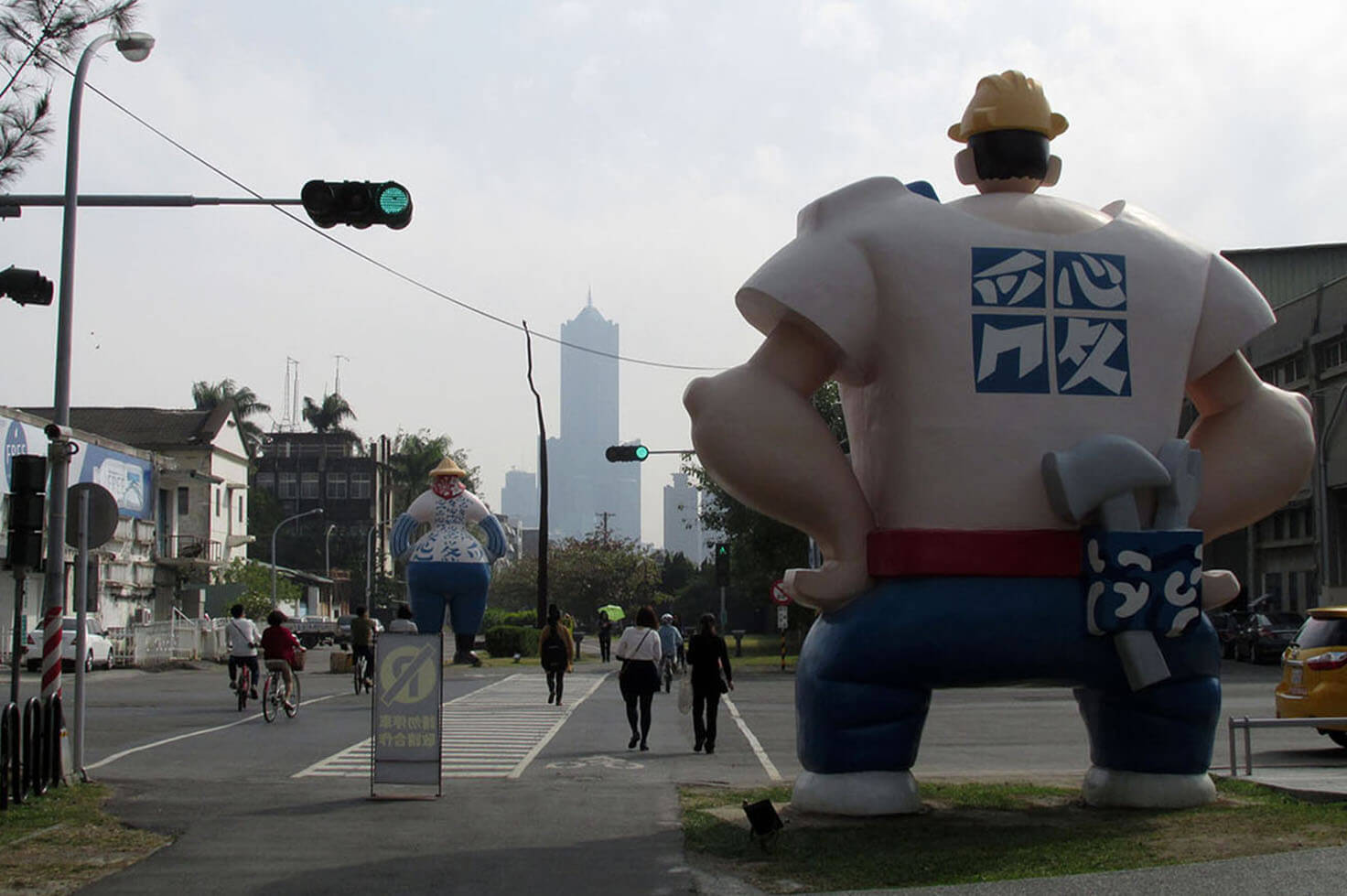
I didn’t expect much from Kaohsiung, and it was a pleasant surprise. The city boasts an extraordinary mix of colorful and diverse architecture from different historical periods. There are charming temples and elegant imperial-style buildings, as well as a spectacular metro station, an unusual skyscraper, striking contemporary landmarks, and an impressive art center.
Dresden’s Unique Mix of Architectural Styles
Without a doubt, Dresden is one of Europe’s most unusual cities, with an incredible diversity of architectural styles. Alongside its historic heritage, you’ll find fascinating communist-era buildings, a deconstructivist palace, a mosque-like office building, an abstract synagogue, a factory that pretends to be clean, and much more.

Early 20th Century Architectural Styles
Architectural styles dominated entire centuries and would sometimes last for a few hundred years. However, during the last century, industries developed rapidly, allowing for architecture to break unimaginable limits. That’s why 20th century architecture evolved so much.
At the beginning of the 20th century, several regional architectural styles appeared. Commonly known as Art Nouveau and essentially traditional, the style is all about decorations. A bit later, several schools and unique styles marked important cities around the globe.

Catalan Modernism in Barcelona
Catalan Modernism is a local take on Art Nouveau that dominated Barcelona at the beginning of the 20th century. These buildings blend Gothic and Moorish influences with Catalan tradition. They are rich in color, decoration, and organic forms. Hundreds of Modernist buildings still stand.

Cubist Architecture in Prague
Cubism was an artistic movement in the early 20th century. It inspired the so-called Czech Cubism. Though short-lived, it left a deep mark on Prague’s urban fabric. Cubist buildings feature sharp geometries with crystal-like forms that create a sense of movement. After World War I, the style transitioned into Rondocubism.

Art Deco Architecture in Paris
Paris is known for its diverse architectural heritage, and Art Deco holds a special place. The style was born during the 1925 International Exhibition of Modern Decorative and Industrial Arts. It is characterized by geometric patterns, stylized decoration, and elegant forms. Many cinemas, department stores, swimming pools, and even churches were built in this style across the city.

Brick Expressionism in Hamburg
Brick expressionism was born in Germany in the 1920s. The style is known for its bold forms and innovative construction techniques. It flourished in several cities across the country, but it reached its peak in Hamburg. There, you’ll find it in residential blocks, offices, and even cemeteries.

Amsterdam School in the Netherlands
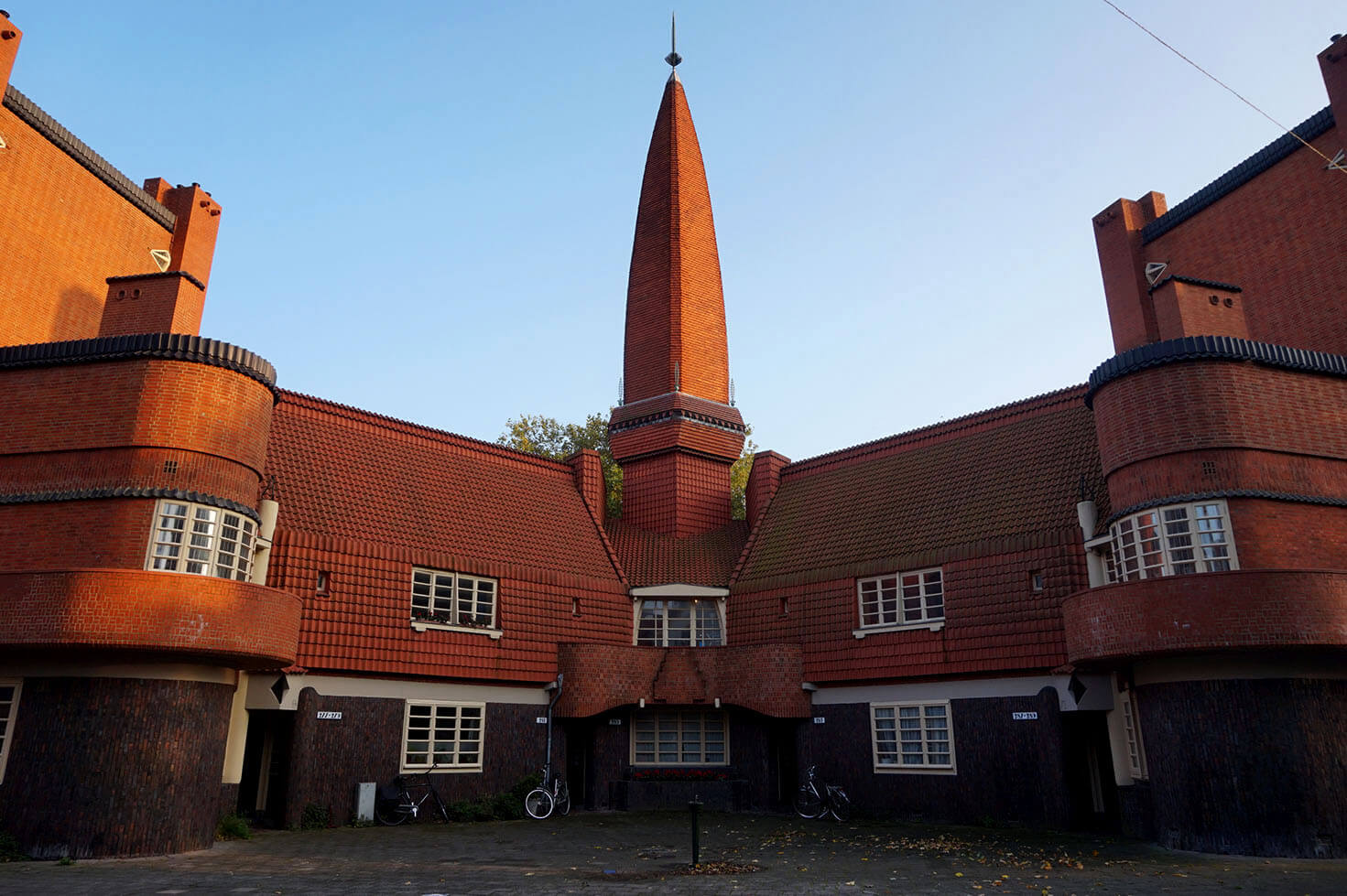
The Amsterdam School originated in Amsterdam and quickly spread across the country. Characterized by expressive brickwork, rounded forms, and intricate details, it is often compared to Brick Expressionism. Many houses, schools, offices, and public buildings were built in this style.
Secessionist Architecture in Budapest
Secessionist architecture is one of the things that sets Budapest apart. A local interpretation of Art Nouveau, Secession developed a distinct Hungarian style. Its buildings are richly decorated, featuring vibrant colors, flowing forms, and extensive use of ceramics. You’ll find examples of this style all across the city, from residential buildings and banks to museums, bridges, and even the zoo.

Modern and Contemporary Architecture
Modern architecture was born out of technological progress. Although it emerged in the late 19th Century, it only truly took hold in the first decades of the 20th Century. It soon conquered the world and became fully international. For the first time in history, limits in shape and size were dramatically expanded, bringing almost unlimited possibilities.
Modern architecture rejects ornamentation and focuses on function. I imagine that, for many of you, this is precisely the reason you dislike it. My goal here is to show that modern architecture can be quite fascinating. I have chosen several interesting examples from around the world.
Bauhaus Architecture in Tel Aviv
Tel Aviv hosts the largest concentration of Bauhaus architecture in the world. After the Bauhaus School closed in 1933, many architects settled here. Between the 1930s and 1940s, over 4,000 buildings were constructed in what came to be known as the White City of Tel Aviv.

Helsinki Modern and Contemporary Architecture
Modern architecture lovers must visit Helsinki. The city boasts exceptional 20th- and 21st-century architecture, from museums to concert halls and libraries. Some of the best examples are in the Töölönlahti district. The architectural genius Alvar Aalto lived and worked in the city for over 40 years.

Modern and Contemporary Architecture in Athens
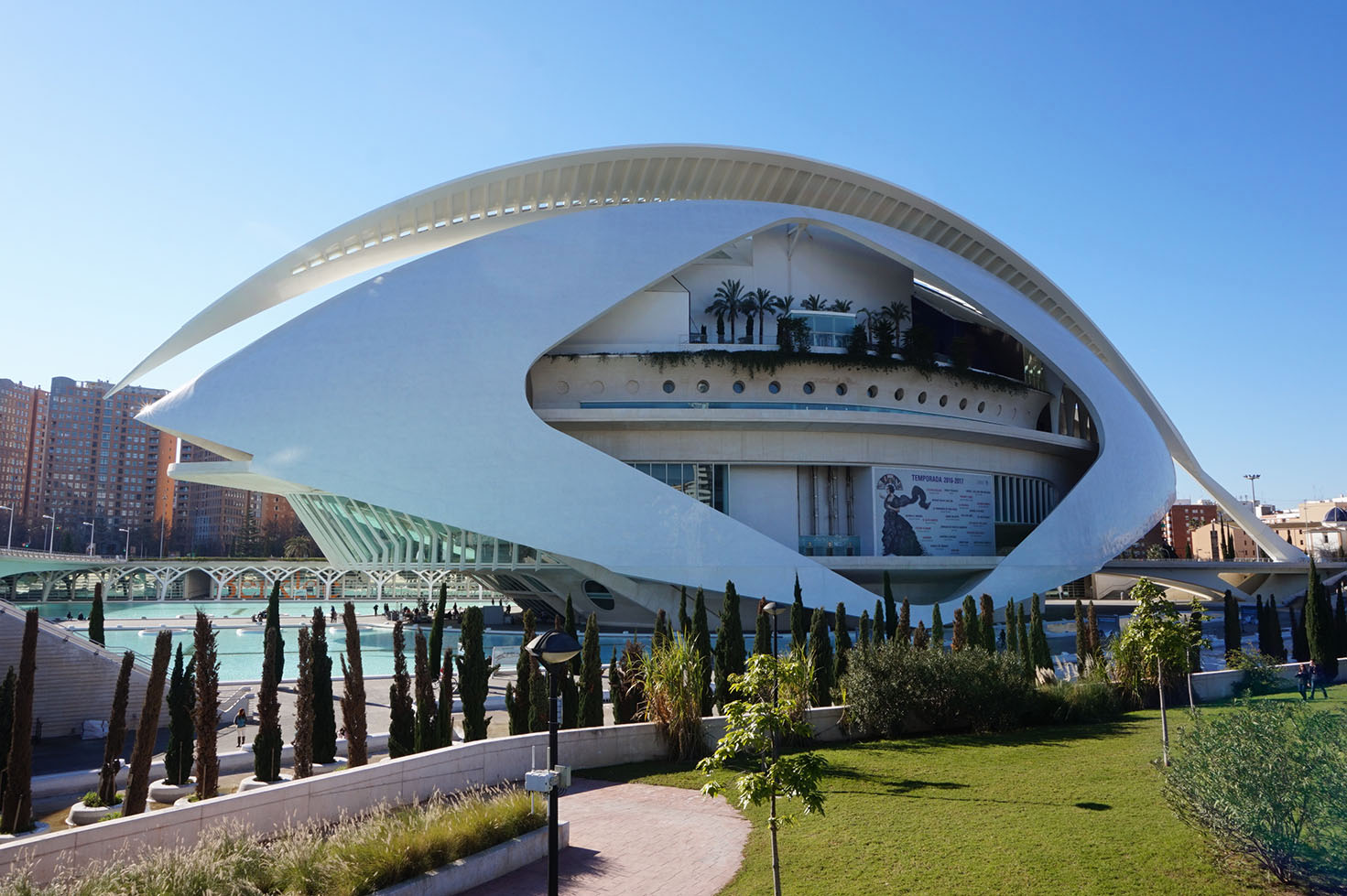
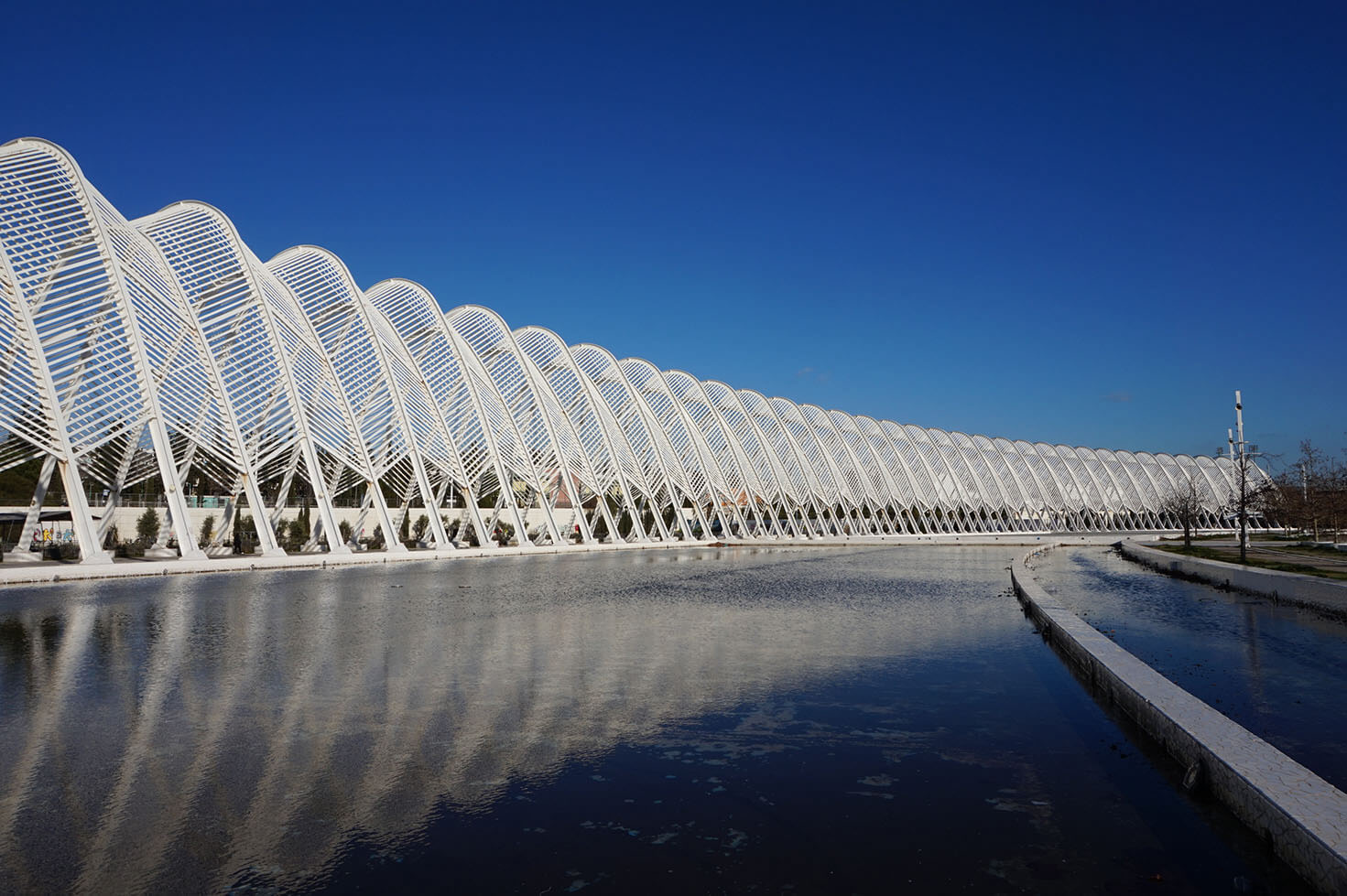
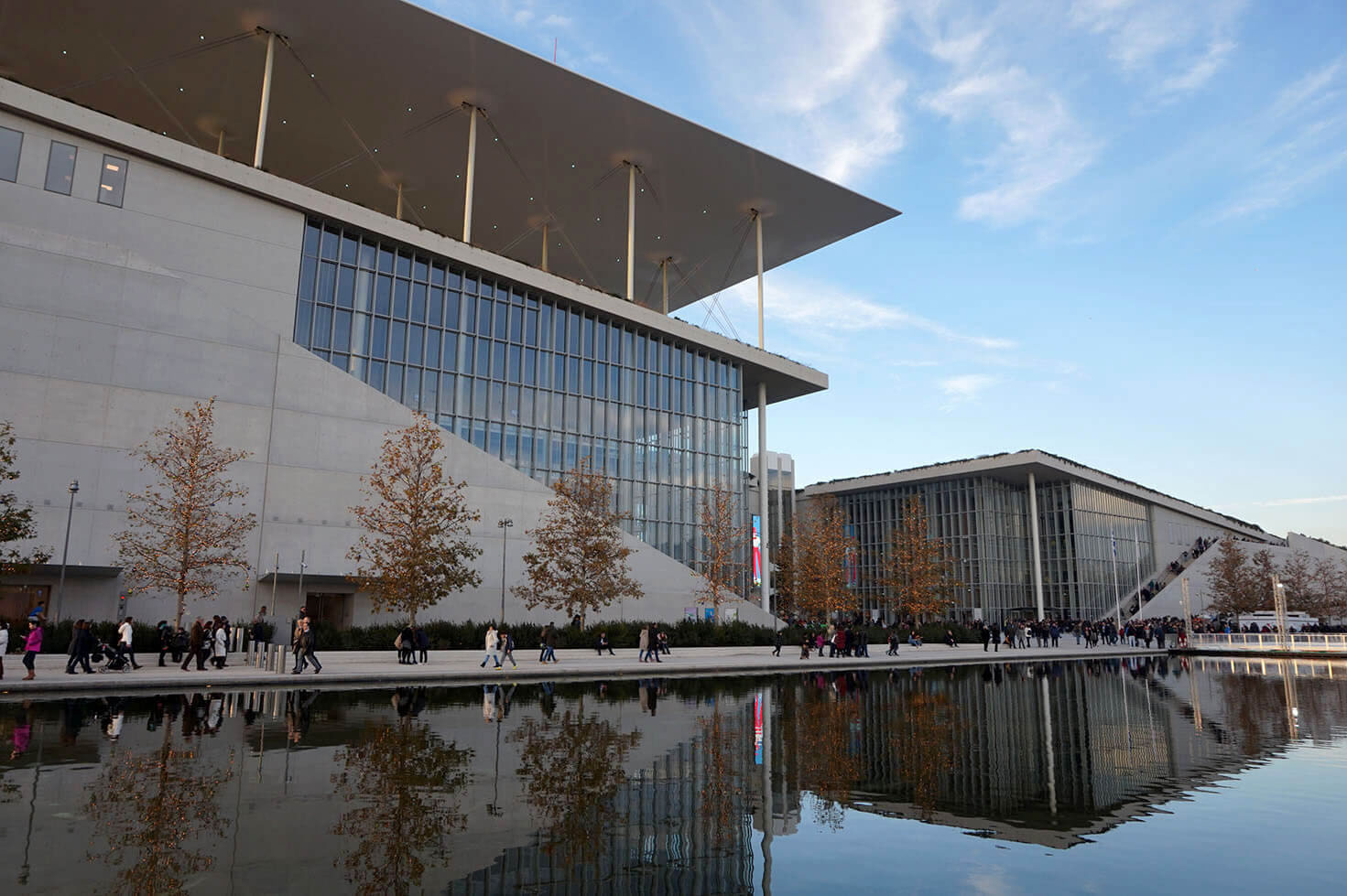
Athens is famous for its ancient sites, such as the Acropolis and the Agora. However, the city also boasts remarkable modern and contemporary architecture. A major transformation occurred ahead of the 2004 Summer Olympics, when the Acropolis Museum and the Stavros Niarchos Foundation Cultural Center were built.
Modern Architecture in Belgrade
Belgrade’s architectural identity is strongly tied to modernism. Although it appeared in the interwar period, it was only after World War II, under socialist Yugoslavia, that modern architecture truly flourished. Today, you’ll find these buildings all across the city, especially in New Belgrade. Unfortunately, many are now at risk of demolition.

Groningen’s Contemporary Architecture
Groningen stands out for its beautiful historic core and vibrant contemporary architecture. Impressive projects like the Forum Groningen and the Groninger Museum bring life to the city center. The University of Groningen’s Zernike Campus is on the outskirts and is a must for any architecture afficionado.

Brutalist Architecture in Bangkok
Brutalism arrived in Bangkok in the mid-1960s. During that decade and the following one, many Brutalist buildings appeared all over the city. Most of them can be found on campuses such as Chulalongkorn University and Kasetsart University. While the number of buildings is limited, they stand out for their bold forms.

Chinese Megacities
Chinese megacities were an unexpected highlight of my numerous visits to the country. I did expect to see spectacular nature and charming ancient architecture. What I didn’t know was that its big cities were packed with historic heritage, beautiful parks, and striking ultramodern architecture. I was also impressed by their pedestrian-friendly streets and surprising natural landscapes right in the city center.

Art Interventions
For those of us who love cities, buildings are not everything. I find art interventions equally interesting. Before visiting Stockholm, Moscow, and Lisbon, I didn’t think of metro stations as art spaces. Since then, I have realized the world has several metro systems worth visiting solely for their outstanding architecture.
Other art installations I absolutely love are graffiti and murals. To me, street art revives cities in a way architecture cannot. It speaks to passersby and brings life to often neglected façades. Some cities, like Athens, have so much street art that it has become part of their identity.

Stockholm Metro System
I was fascinated by Stockholm’s metro stations, often called the world’s largest art gallery. I took a guided tour and spent an extra day exploring other stations. While some are quite simple, others stand out for their beautiful design. What I appreciated most was seeing how artistic styles and concepts have evolved over time.

Belgrade Street Art
I grew up in Belgrade, and I’ve seen how its street art scene has evolved over time. Since the early 2000s, murals and graffiti have flourished across the city. Areas like Savamala and Skadarlija are now full of street art. The neighborhood of Bežanijska Kosa, where I grew up, also hosts impressive works, and there are no tourists around.
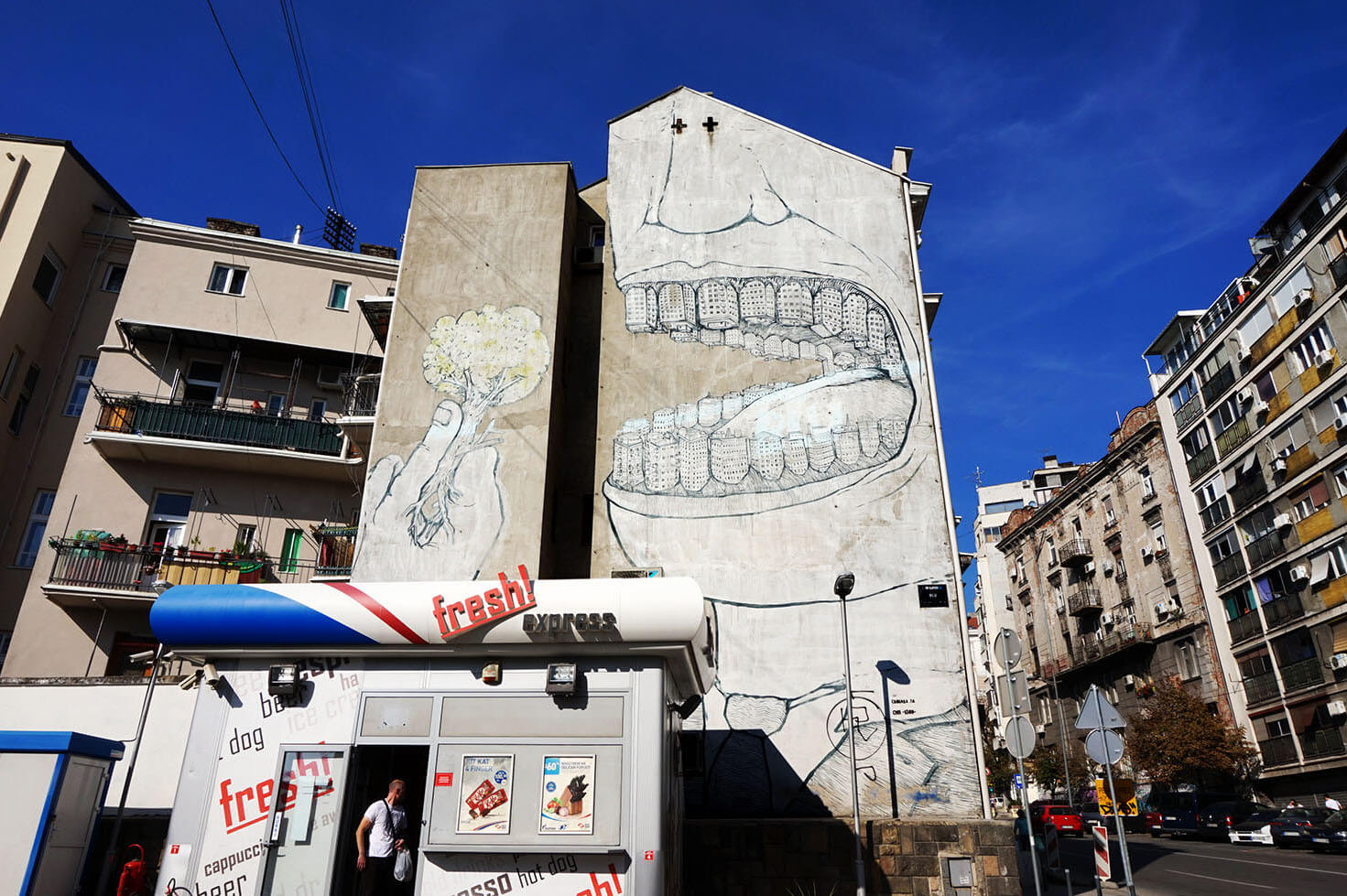
Street Art in Barcelona
When I first moved to Barcelona, the street art scene was relatively limited. The city is full of heritage, and there are not that many empty spaces. However, neighborhoods like El Raval have long been hotspots for graffiti and murals. Another place I love is the Jardins de les Tres Xemeneies, where artists constantly refresh the walls with new creations.
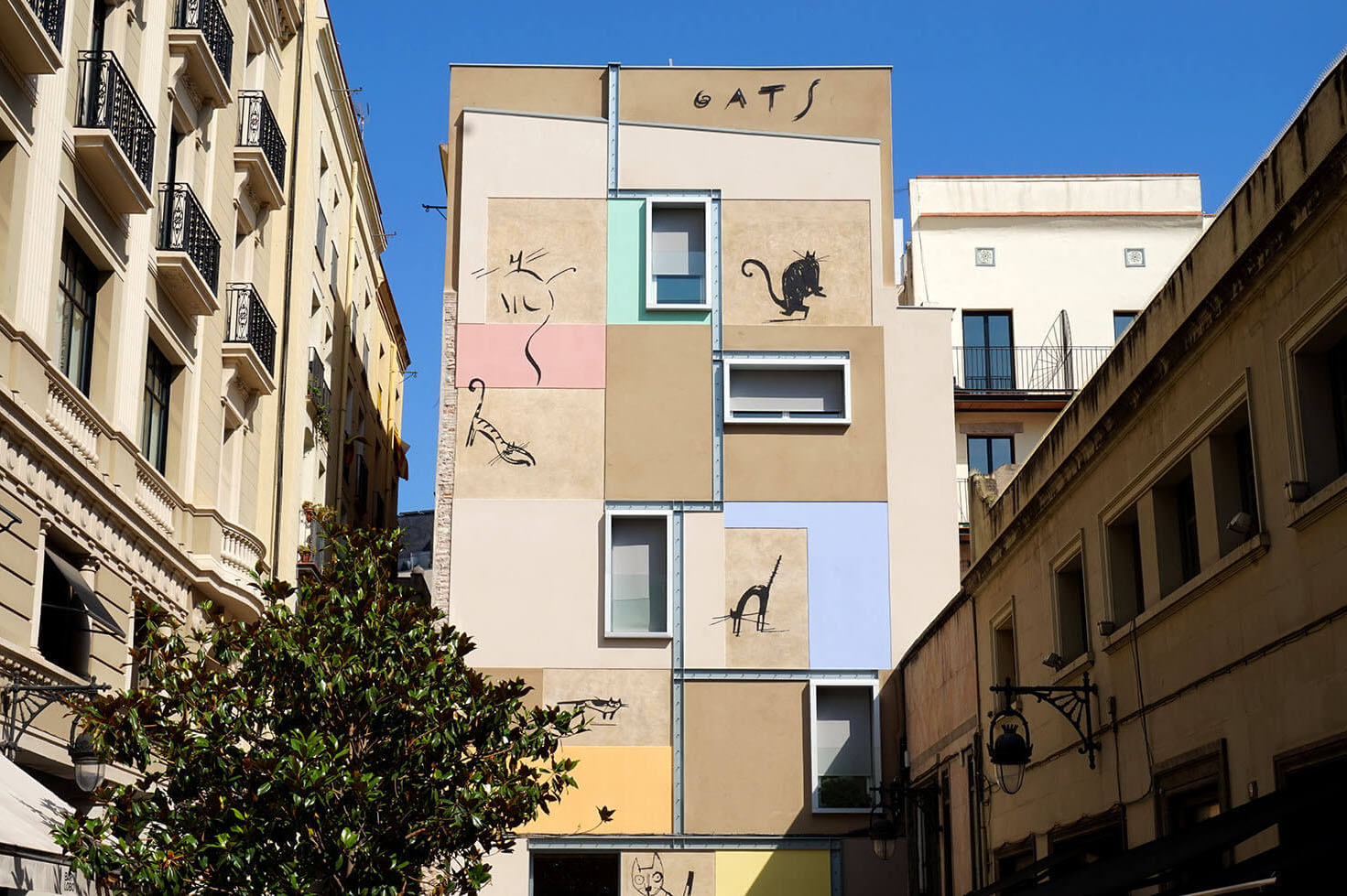
Street Art in Athens
Athens is often considered a global capital of street art, and for good reason. The city is covered in murals and graffiti of every shape and style. Central neighborhoods like Psyrri, Gazi, Kerameikos, and Exarcheia are full of them. If you want to explore further, I suggest venturing out to the suburbs of Korydallos and Nikaia.
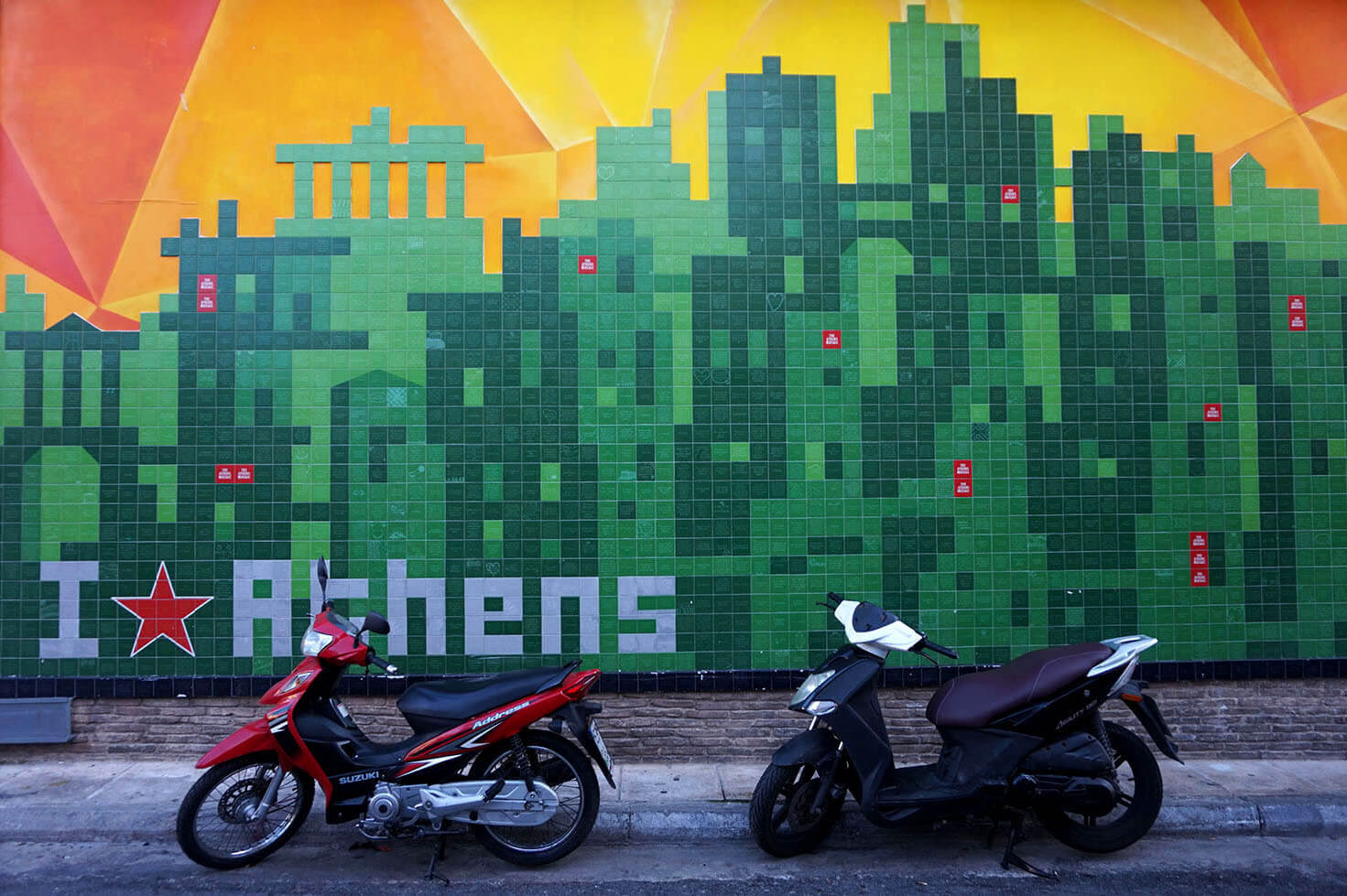
Architecture of Parks
When it comes to parks, it’s usually the quality of landscape design that distinguishes one from another. But sometimes architects step in and create the perfect symbiosis of nature and architecture. Just think of the spectacular Gardens by the Bay in Singapore.
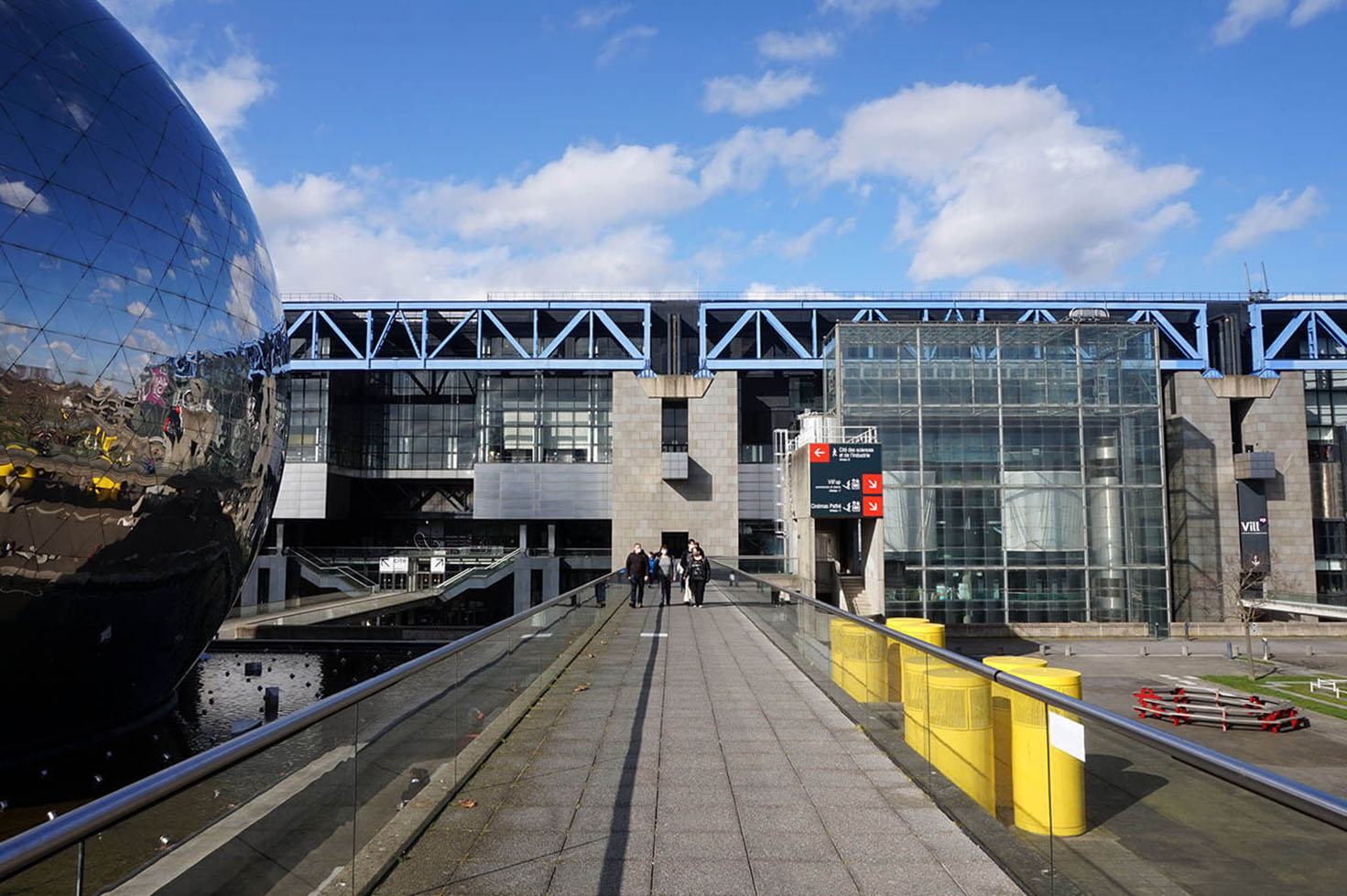
Architectural parks can be found in different corners of the planet. From La Villette in Paris to Parc del Poblenou in Barcelona, they show us that architecture and nature can complement each other. That is precisely why these places are so valuable.
Singapore’s Gardens by the Bay
Gardens by the Bay is one of the world’s most spectacular urban parks. Built on reclaimed land between the city center and the sea, it forms part of Singapore’s vision of becoming a city in a garden. The park stands out for its advanced sustainability systems, using cutting-edge environmental technology.

Parc de la Villette in Paris
We can’t have a conversation about architectural parks without mentioning Parc de la Villette in northeast Paris. Built on the site of former slaughterhouses, it is a pioneering example of deconstructivism. You’ll easily recognize it by its bright red follies and bold architecture. The park’s center is a large open lawn surrounded by small thematic gardens.

Parc del Centre del Poblenou in Barcelona
Parc del Centre del Poblenou in Barcelona was designed by Jean Nouvel and opened in 2008. Though initially controversial, for its vegetation and irrigation choices, the park has developed a unique identity. I love its imaginative street furniture: metallic benches, lamps, pergolas, and fences. Even the entrance gates pay homage to the unusual designs of Antoni Gaudí.
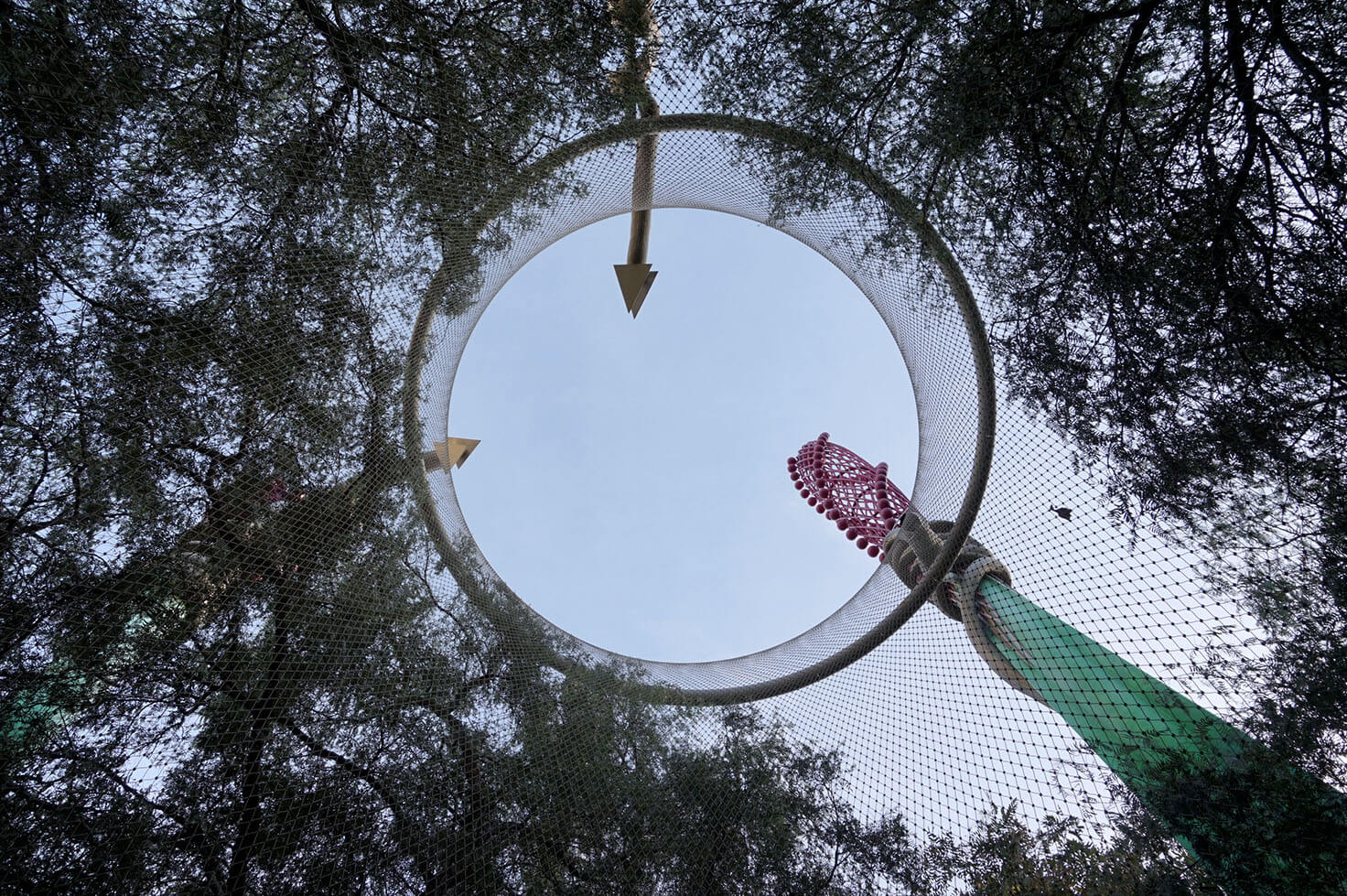
Benchakitti Forest Park in Bangkok
Benchakitti is one of Bangkok’s most important green spaces. Originally opened in 1992 around a lake, it was expanded in 2022 and opened as Benchakitti Forest Park. The new addition, completed in just 18 months, is a remarkable example of sustainable landscape architecture. The park is organized into four zones, each featuring ponds and islands created through a cut-and-fill process.
